
Review the current Electronic Crane Scale
Review the current product images and listed 1 t capacity option. Exact interfaces, dimensions, display, power, functions and documents remain quotation questions.
Open product pageWhat a crane scale project needs to define
A crane scale places a weighing instrument in a suspended-load path. The current Electronic Crane Scale option lists a 1 t capacity configuration. The quotation review must cover the load, interfaces, headroom, movement, display, environment and weighing record while keeping instrument verification, crane and rigging inspection, and Legal-for-Trade evidence as separate responsibilities.
This range helps lifting-equipment suppliers, industrial scale distributors, factories, steel and foundry operations, ports, workshops, warehouses and project integrators evaluate a suspended-load weighing route. Review the Electronic Crane Scale against the load, interfaces, headroom, display, environment and data needs, then request the exact quoted configuration.
A crane-scale quotation is based on the identified load path, weighing task and responsible parties. A listed capacity does not approve the complete lifting arrangement or establish a regulated weighing result.
Crane Scales: Open a product page for model-specific specifications, images and configuration details.
Review the current product images and listed 1 t capacity option. Exact interfaces, dimensions, display, power, functions and documents remain quotation questions.
Open product pageDefine the suspended load, complete load path, lifting responsibilities, weighing procedure, environment and evidence pack before selection.
Open product pageIdentify the intended transaction, destination and authority route before asking whether the exact instrument can support regulated use.
Open product pageAsk for the current product, interface, operating, verification and available certificate documents tied to the quoted model and destination.
Open product page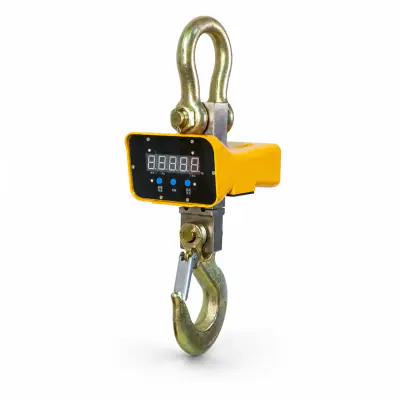 View product details
Electronic Crane Scale configuration for Crane Scale; final performance is confirmed by model, installation and defined test conditions.
One project may require all four routes, but evidence from one route does not close the others.
| Review route | Best suited to | Questions to close |
|---|---|---|
| Product configuration | Selecting the current crane-scale model and quoted capacity, interfaces, display, power, options and operating environment. | Exact model, listed capacity, upper and lower interfaces, dimensions, headroom, display, controls, power, communications and documents. |
| Weighing verification | Establishing how the configured instrument will be checked against a defined reference and acceptance rule. | Reference, test loads, positions, motion and settling, repetitions, environmental conditions, error calculation, pass rule and retained record. |
| Crane, rigging and lifting inspection | Confirming the lifting equipment, connections, rigging, operating method and inspection programme through qualified responsible parties. | Crane or hoist duty, hooks, shackles, rigging, load geometry, headroom, side loading, inspection status, safe-use procedure and maintenance owner. |
| Legal-for-Trade review | Determining whether the exact instrument and installation can support a regulated transaction in the destination. | Intended transaction, jurisdiction, exact certificate and software scope, marking, installation, sealing, verification authority and recurring obligations. |
Record the crane or hoist, hooks, shackles, rigging, headroom, load geometry, movement and operating environment. The weighing instrument can be reviewed within the identified lifting arrangement instead of as an isolated capacity label.
Define the reference, test points, loading and settling procedure, environmental conditions, repetitions and acceptance limits. The buyer can assess the indicated result against a documented verification method.
Assign lifting-equipment selection, inspection, safe-use and maintenance to qualified responsible parties outside the weighing verification. Measurement evidence and lifting-safety evidence remain visible and separately controlled.
Check the exact instrument, software, installation, certificate scope, verification and destination authority requirements. Legal-use decisions are based on the intended transaction and jurisdiction rather than a general product claim.
A suspended-load project cannot be defined by capacity alone. Include the lifting arrangement, weighing decision and separate evidence responsibilities.
State what is weighed, why the result is needed, who accepts it and whether the use is internal, commercial or otherwise regulated.
Record the crane or hoist, load, rigging, upper and lower interfaces, headroom, movement, environment and qualified lifting responsibilities.
Review the current crane-scale option and confirm the model, capacity, dimensions, interfaces, display, power, functions, accessories and documents.
Follow exact-model instructions and the approved lifting and site procedures without treating instrument installation as lifting-equipment approval.
Retain weighing-verification results, lifting-equipment and rigging inspection evidence, and any required Legal-for-Trade approval as separate records.
The industry identifies the operating context, but the complete load path, exact instrument and responsible lifting review still determine suitability.
Review suspended parts, assemblies or materials together with the hoist, rigging, headroom, operator position and required production or inspection record.
Review the applicationDescribe load temperature, radiant heat, dust, impact, duty, viewing distance and the qualified lifting controls before selecting equipment.
Review the applicationAccount for outdoor exposure, corrosion, wind, movement, rigging changes, operator communication and the intended cargo record.
Review the applicationDefine the item, handling route, identifiers, operator workflow and whether a suspended result or a stationary platform scale better fits the decision.
Review the applicationRecord variable load geometry, debris, environmental exposure, attachment and rigging changes, operator procedure and service responsibilities.
Review the applicationWeighing verification, lifting-equipment inspection and Legal-for-Trade approval are separate evidence chains. A category page, listed capacity, calibration record or product document does not substitute for any other required chain.
FMSCales can help weighing distributors, lifting-equipment partners and industrial buyers review the current Electronic Crane Scale record, organise application information, define the requested configuration and collect current product documents for quotation. The project scope can show which questions belong to the weighing instrument and which remain with lifting specialists or local authorities.
Our production environment supports fabrication, assembly and project preparation for selected industrial weighing equipment and system configurations.

Model-specific inspection, functional checks and calibration preparation help align the selected equipment, documentation and project requirements before delivery.
Request current documents tied to the exact quoted model and destination. Product documentation supports configuration review but does not replace lifting inspection or jurisdictional approval.
Electronic Crane Scale configuration for Crane Scale; final performance is confirmed by model, installation and defined test conditions.
Selection and application guides
Selection and application guides
Selection and application guides
Selection and application guides
Channel partners can qualify a crane-scale opportunity with one suspended-load questionnaire, separate product and lifting responsibilities, and record the exact instrument, interfaces, documents and acceptance routes before presenting a proposal to the end customer.
The current Electronic Crane Scale option lists a 1 t capacity configuration. Confirm the exact model, load, tare and rigging mass, interfaces and operating conditions before quotation.
No such conclusion should be made. The crane or hoist, upper and lower interfaces, hooks, shackles, rigging, headroom, load geometry and qualified lifting responsibilities must be reviewed.
No. Instrument capacity does not establish crane, hoist, hook, shackle, rigging or structural suitability. Qualified responsible parties must assess and inspect the complete lifting arrangement.
Define the reference, test loads, loading and settling procedure, environmental conditions, repetitions, calculation and acceptance limits, then retain the indicated and reference results.
No. A calibration or weighing-verification record addresses the measurement under stated conditions. Crane, hook, shackle, rigging and lifting-procedure inspection is a separate responsibility.
No. Confirm the intended transaction, jurisdiction, exact instrument and software scope, certificate, installation, sealing and official verification requirements with the responsible authority.
Send the crane or hoist information, load and rigging details, interface dimensions, headroom, lifting procedure, environment, display and data needs, intended use, quantity, destination and required evidence.
Rate the scale at or above the heaviest lifted load with about 25 percent headroom, and keep routine lifts in the upper half of the range for best resolution. Between 3 t and 20 t covers most workshop, warehouse and port handling; foundries and heavy fabrication often need 30 to 50 t models.
Industrial crane scales typically hold 0.05 to 0.1 percent of rated capacity when the load hangs freely, stable and centred. Verify with test weights or a reference load after installation, and repeat checks after shock loads, battery changes or transport.
A crane scale is optimised for routine lifting and weighing with tare, hold and accumulation functions; a dynamometer or tension link is built for load testing, pulling force and tow measurement with peak-hold capture. Many instruments share hardware, so confirm the firmware functions and certificates needed for the actual task.
Include the crane or hoist, load and rigging, upper and lower interfaces, headroom, operating procedure, environment, display and record needs, intended use, quantity and destination.
Share the facts needed to review the current product route and identify the separate product, lifting, verification and legal-use questions.
Send your core application details. We will review the request and follow up by email or Tel / WhatsApp.