
Review the current forklift scale kit
Use the product record to review the current imagery and listed 1-5T capacity options. Final capacity, fit, installation and operating conditions remain truck-specific.
Open product pageWhat a forklift scale project needs to solve
A forklift scale brings a weight check into the pallet-handling cycle so the operator can view and record load information at the truck. FMSCales reviews the forklift, carriage, forks, attachments, load centre, operating movement and required records before confirming the weighing route and quotation scope.
For forklift dealers and weighing distributors comparing a forklift scale attachment, start with the truck, load and installation requirements. A forklift weighing system should suit the handling task. Compare forklift truck scales and fork truck scales by the supplied components, mounting route and required records.
A useful quotation is tied to the identified truck, attachment chain, handling workflow and intended record. This page does not claim that one kit fits every forklift.
Forklift Scales: Open a product page for model-specific specifications, images and configuration details.
Use the product record to review the current imagery and listed 1-5T capacity options. Final capacity, fit, installation and operating conditions remain truck-specific.
Open product pageCompare how hydraulic, carriage, fork or separate weighing routes affect the truck, workflow, maintenance and acceptance plan.
Open product pageResolve truck identity, attachment approvals, dimensions, power, sensor route, safe-work responsibilities and commissioning evidence before installation.
Open product pageCompare onboard weighing with a floor or platform scale according to the handling movement, required control and record ownership.
Open product page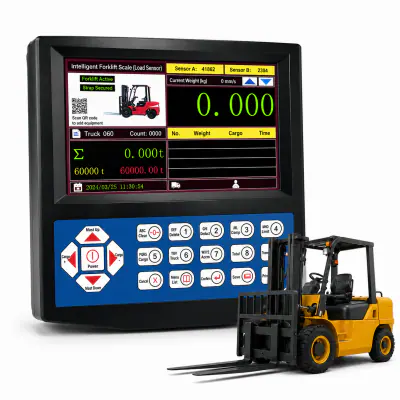 View product details
This professional forklift scale kit is widely applicable to factory material statistics, warehouse inventory counting, inbound and outbound cargo weighing, logistics freight measurement, port cargo handling and construction material weighing.
The best route depends on where the pallet already moves, how the result will be used and which equipment can support a controlled weighing event.
| Route | Best suited to | Key questions before selection |
|---|---|---|
| Forklift scale | A weight decision during a defined lift or pallet-handling movement on an identified forklift. | Truck and carriage, forks and attachments, load centre, residual capacity, operator movement, installation and record requirements. |
| Floor or platform scale | Pallets or containers that can be placed on a fixed weighing station under controlled conditions. | Platform size, access ramps, traffic route, capacity, environment, guarding, indicator and transaction workflow. |
| Pallet truck scale | Mobile pallet movement where a dedicated hand or powered pallet truck is the accepted handling route. | Pallet type, floor, load range, manoeuvring space, battery, display, printer and operator procedure. |
Evaluate an onboard weight check within the authorised forklift movement. The weighing step can follow the handling workflow when the truck, load and procedure are suitable.
Collect the truck plate, carriage class, fork dimensions, load centre, attachments and installation photographs first. The quotation is based on the identified truck rather than a broad capacity label.
Document the accepted lift height, mast attitude, stability condition, zero procedure and invalid-reading response. Training and acceptance can use one repeatable operating sequence.
Define identifiers, print fields, interface, trigger and exception handling before choosing the data route. The hardware and information workflow can be reviewed as one project.
These details allow an equipment dealer or weighing specialist to review the correct product and installation route without relying on a generic truck description.
State when the weight is needed, who acts on it and which warehouse or logistics record must be created.
Record the forklift, mast, carriage, forks, attachments, plates, load centre, power and proposed installation areas.
List the weighing components, indicator, accessories, data route, installation work and approvals that remain with qualified project parties.
Follow the approved truck, scale and site procedures, then configure the accepted weighing movement and data fields.
Run the agreed reference checks, record the configuration and results, and train operators on valid readings, exceptions and escalation.
Each route still requires an identified truck, load and procedure; the application name alone does not confirm suitability.
Review supplier, pallet, material and location records at the point where goods enter storage.
Review the applicationDefine how material, batch, department or job information is attached to a handled load.
Review the applicationClarify whether the weight supports an internal check, packing record, shipping workflow or another defined decision.
Review the applicationReview truck duty, pallet or cargo geometry, environment, shift records and the relationship to other weighing systems.
Review the applicationAccount for variable load shape, attachments, impact, contamination and the record required from each movement.
Review the applicationThe configured truck and procedure determine the result. A listed capacity option or successful display demonstration is not a universal fit, accuracy or legal-use guarantee.
FMSCales can coordinate the current product record, forklift and attachment questions, quotation scope, document requests and data-interface discussion with equipment dealers and weighing partners. For repeat channel business, the accepted truck and product configuration can be recorded so a later enquiry starts from the confirmed reference rather than a generic scale name.
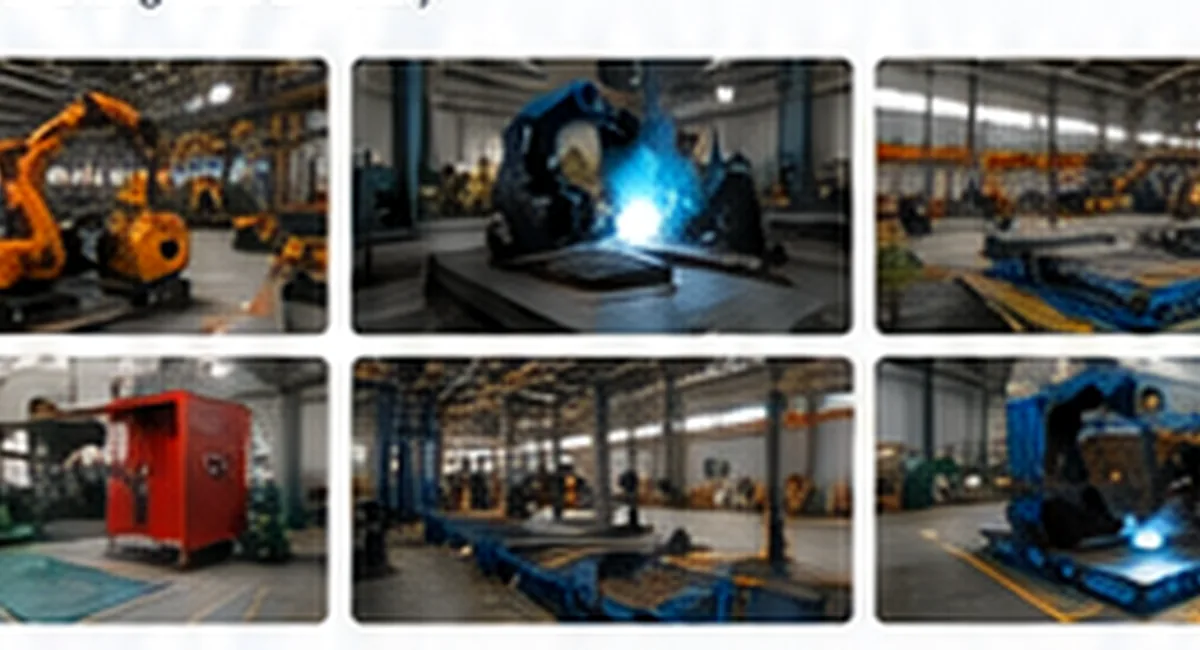
Our production environment supports fabrication, assembly and project preparation for selected industrial weighing equipment and system configurations.

Model-specific inspection, functional checks and calibration preparation help align the selected equipment, documentation and project requirements before delivery.
Request documents for the exact quoted product and truck route. Availability, revision and application scope should be confirmed before installation.
This professional forklift scale kit is widely applicable to factory material statistics, warehouse inventory counting, inbound and outbound cargo weighing, logistics freight measurement, port cargo handling and construction material weighing.
Project photographs document the forklift mast, chains, carriage, hydraulic areas and possible installation positions reviewed before a forklift-scale configuration is confirmed.
Selection and application guides
Selection and application guides
Selection and application guides
Selection and application guides
Forklift Scale Project Progress. Published purchase-stage records show how product discussions and technical coordination develop in real projects.
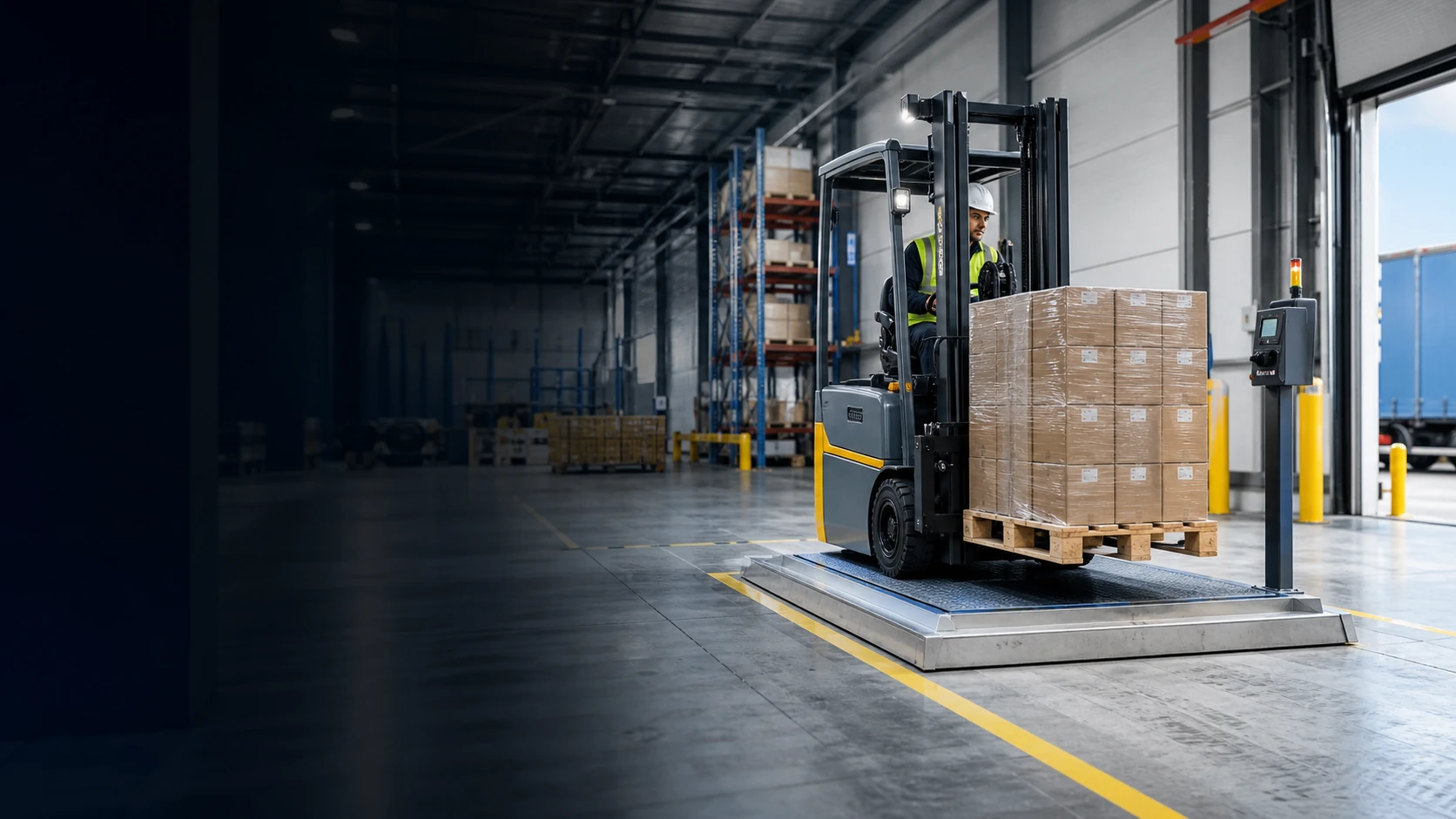
The supplied Indonesian cooperation record confirms a forklift-scale purchase alongside loader-scale products. Follow-up continues through product questions and technical coordination as the project details are reviewed.
View project detailsChannel partners can use one truck-and-workflow questionnaire to qualify an opportunity before requesting the exact kit. Early collection of the truck, attachment, pallet, data and acceptance details reduces unclear quotations and creates a reusable technical reference for repeat orders.
No. The truck, rated configuration, carriage, forks, attachments, load centre, residual-capacity questions, installation route, power and operating movement must be reviewed before supply.
Send the make, model, serial series, data plates, carriage class, fork dimensions, attachments, normal loads, load centre, handling movement, environment, data needs, quantity and destination.
No. It is a current product-record option, not a truck approval. The exact capacity route, front-end configuration, load centre, residual capacity and installation must be confirmed for the identified forklift.
Sometimes the onboard route better matches the pallet movement, while other operations need a controlled fixed platform. Compare the required decision, load, truck movement, reference method and record before choosing.
Use the documented zero and operating procedure, representative reference loads, agreed load positions and repetitions, then retain the indicated and reference results with the accepted configuration.
That depends on the selected indicator and interface. Define the required IDs, fields, trigger, acknowledgement, offline behaviour and system responsibility before confirming the configuration.
That cannot be determined from the category name. Legal use depends on the exact instrument, certificate or approval scope, software, installation, verification and destination rules.
Pressure-sensor forklift scales typically hold ±0.5–1% of the lifted load when the mast is vertical, travel is steady and the load is centred; load-cell carriage systems hold ±0.1–0.5%. Accuracy depends on the operator routine as much as the hardware, so include the weighing motion in operator training.
Kits are built for standard ITA and FEM carriage classes II to IV; sensor mounts and indicator brackets differ by class and mast channel. Record the forklift make, model, mast type, carriage class and any sideshifter or rotator before quotation, since attachments change the mounting route and derate capacity.
Most indicators store weighing records and export by USB, Bluetooth, Wi-Fi or RS-232 to printers, WMS or ERP systems. Define the record fields first—gross, tare, net, pallet ID, operator, date and time—so the integration method matches the warehouse software.
When comparing forklift scales for sale, check the kit contents, installation route, indicator and communication options, quantity and delivery destination. Send your truck details for a configuration-based quotation.
Include forklift make and model, plates, carriage and fork dimensions, attachments, load range and centre, weighing movement, records and interfaces, quantity and destination.
Share the truck and process details needed for a useful product and configuration discussion.
Send your core application details. We will review the request and follow up by email or Tel / WhatsApp.