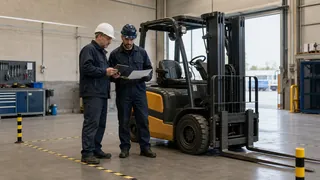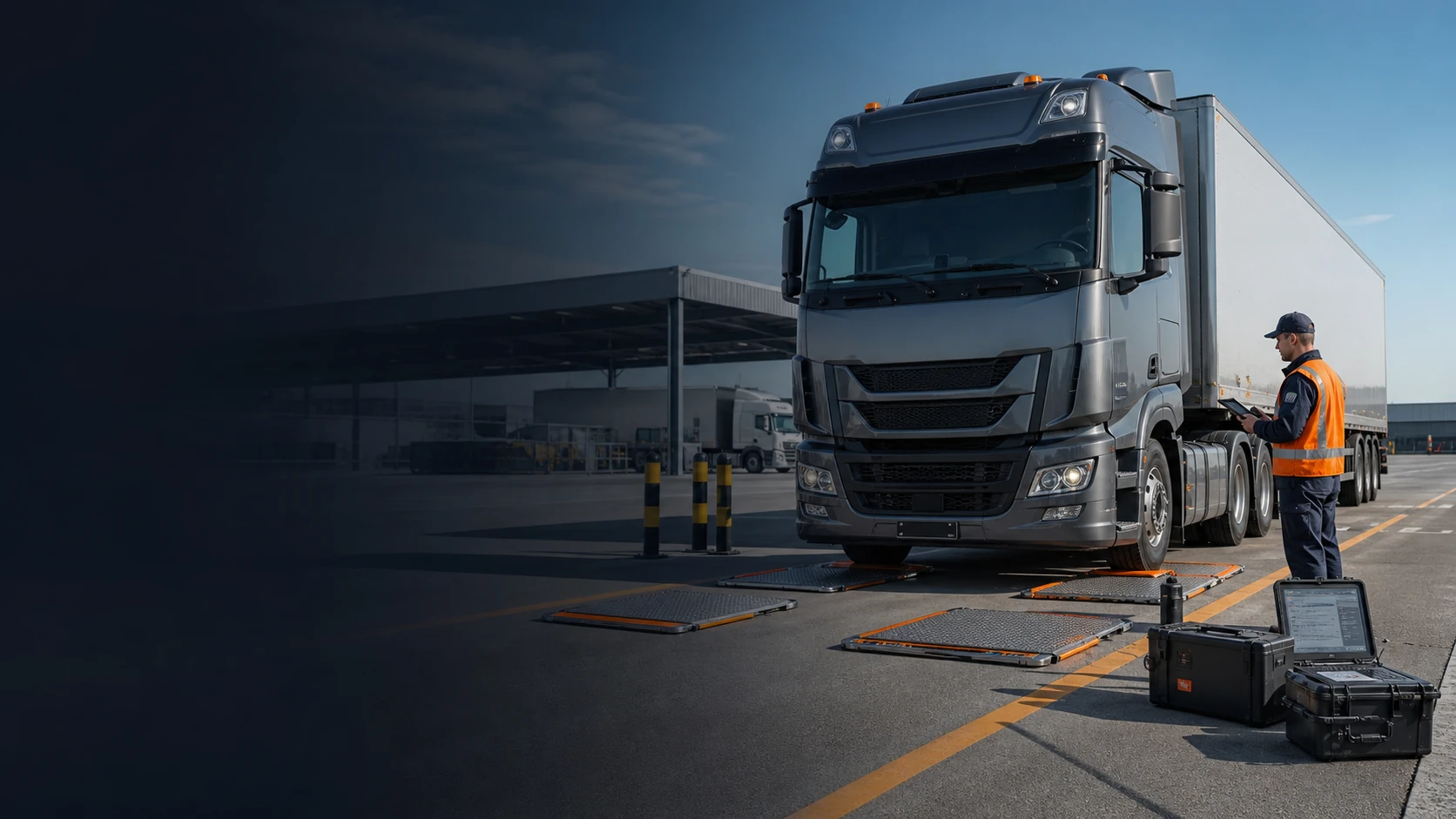
Start with the weight decision you need to make. Then compare hydraulic sensing, carriage-mounted weighing and weighing forks against the exact truck, attachment, load centre, operating cycle and data requirement. Do not accept an accuracy or legal-use promise until the model, installation and test conditions are written down.
1. Define the decision before the device
Write one sentence that explains what happens after the weight appears. Examples include accepting an inbound pallet, preventing a production overfill or creating a dispatch record. This prevents a project from becoming a display-only installation.
- Material and load type
- Typical and maximum load
- Number of lifts per shift
- Required record or operator action
- Internal checking, process control or regulated trade use
2. Compare the three common routes
The routes solve different installation and workflow problems. The best option is the one that preserves the truck’s safe load path and produces a repeatable result in the buyer’s real cycle.
| Route | Useful when | Check before selection |
|---|---|---|
| Hydraulic sensing | A retrofit trend or load-check function is needed | Hydraulic circuit, temperature behaviour, lift window and calibration routine |
| Carriage-mounted system | A dedicated onboard weighing interface is acceptable | Carriage class, attachment, residual capacity, cable routing and service access |
| Weighing forks | Fork replacement and direct load sensing suit the workflow | Fork dimensions, load centre, connector protection and attachment compatibility |
3. Build the compatibility data pack
Photos are helpful, but they are not a substitute for dimensions and ratings. Record the truck nameplate and the complete attachment chain.
- Forklift make, model, serial series and rated capacity
- Load centre and normal lifting height
- FEM/ITA carriage class where applicable
- Fork length, width and thickness
- Side-shifter, positioner or other attachment
- Power, display, printer and communications requirements
4. Write the acceptance test before ordering
Agree the test loads, positions, operating sequence, warm-up and number of repetitions. Compare results only under the specified conditions and record any limits. A site test is more useful than an unqualified brochure percentage.
5. Assign ownership after installation
Name the party responsible for installation, calibration checks, operator training, damage inspection, software backups and periodic verification. These tasks determine whether the initial performance survives daily use.
Decision guidance
For quick internal checks, a simpler retrofit route may be sufficient. For controlled inventory or dispatch records, prioritise a repeatable load path, a defined operator sequence and an acceptance test using suitable reference loads.
A forklift scale does not become legal for trade merely because a component has a metrology certificate. Approval depends on the complete instrument, jurisdiction, installation and intended use.
Define what “best” means for the operating cycle
The best forklift scales are not selected by one headline specification. The defensible choice fits the exact truck and attachments, supports the weight decision during the real lift cycle, produces the required record and has a practical acceptance and service plan.
- Rank the required decision, compatibility, repeatability and record output
- Compare hydraulic, carriage-mounted and weighing-fork routes against the same truck data
- Include residual capacity, operator procedure and service access
- Reject unqualified accuracy or legal-use promises
Buyer-task questions
What truck data is needed before selection?
Provide the make, model, data plate, rated capacity, load centre, carriage class, fork dimensions, attachments, normal loads and operating environment.
Should accuracy be compared from brochure percentages?
Only when the model, installation, test load, operating cycle, environment and acceptance method are equivalent and documented.
References
The following official and first-party sources support the bounded examples, standards context and evaluation methods used in this guide. They do not verify an FMSCales configuration.
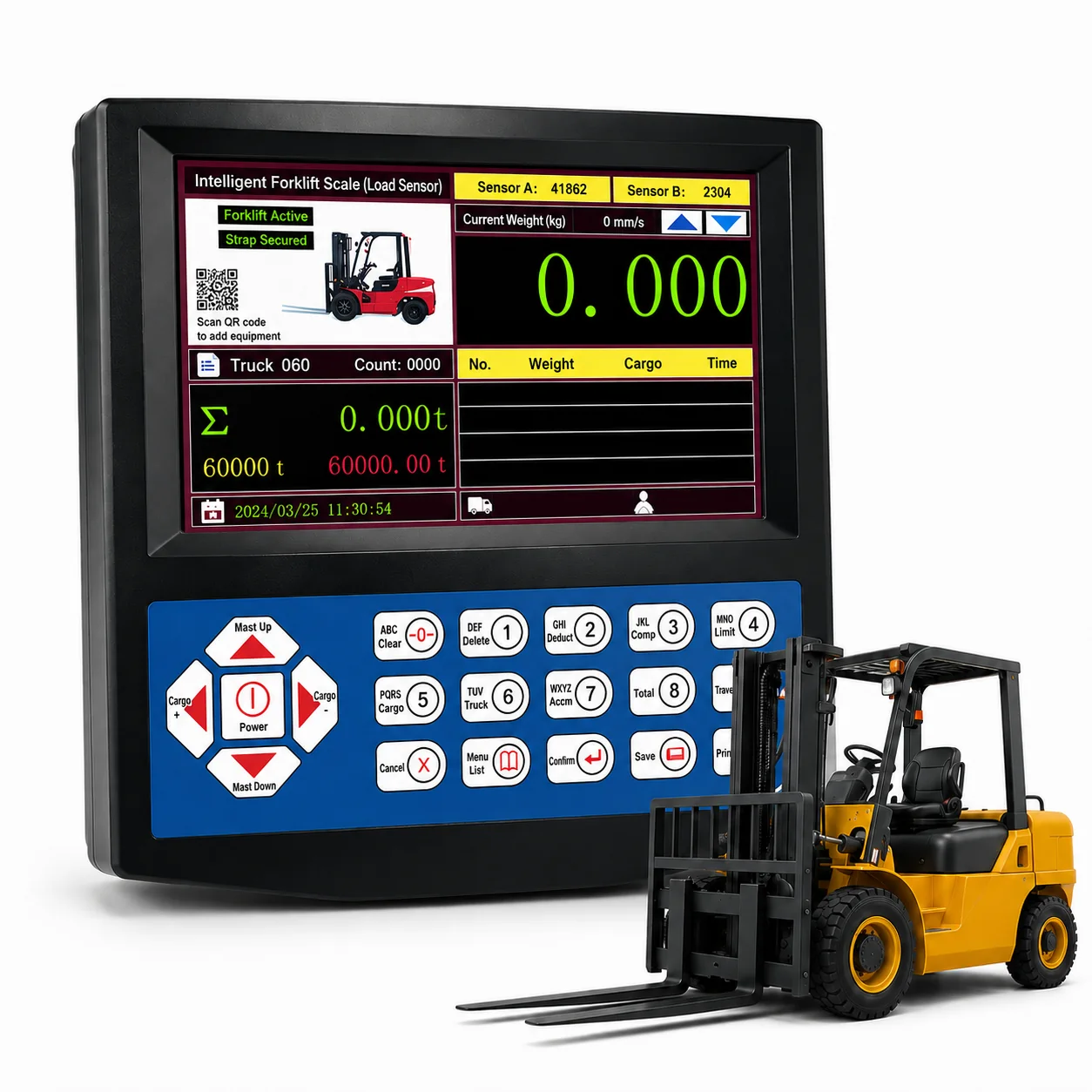 Forklift Scales
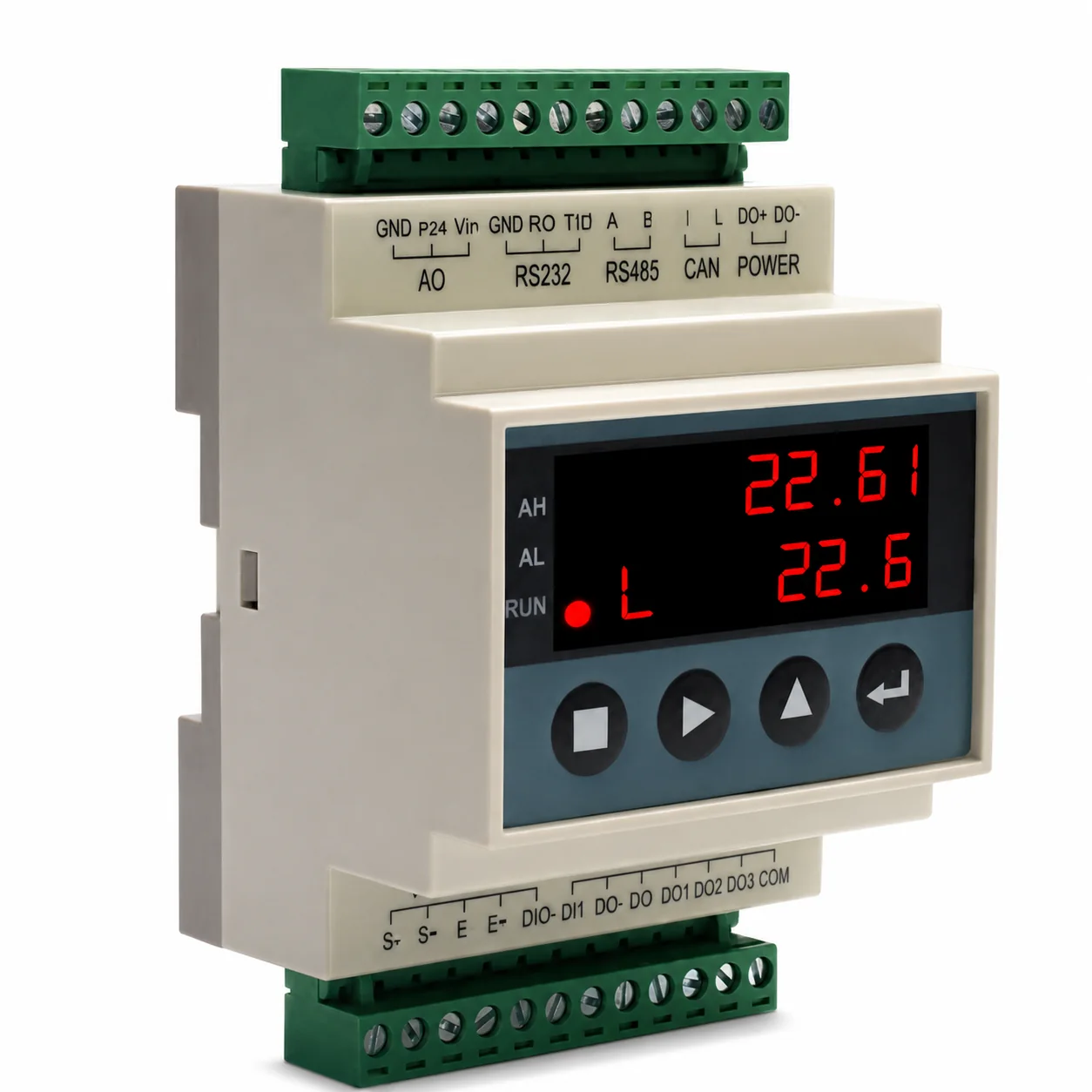 Weighing Indicators
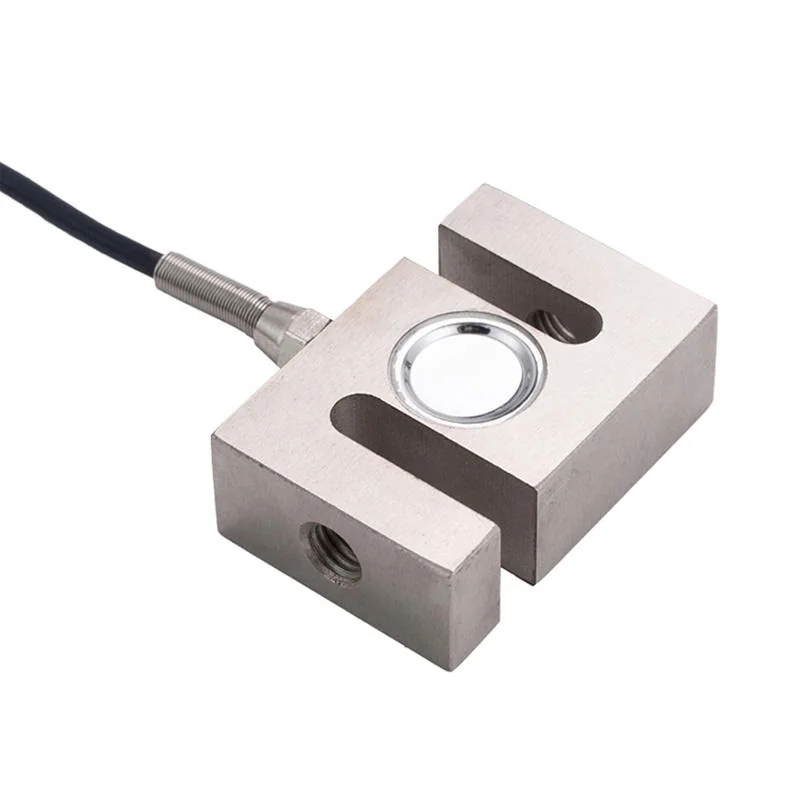 Load Cells
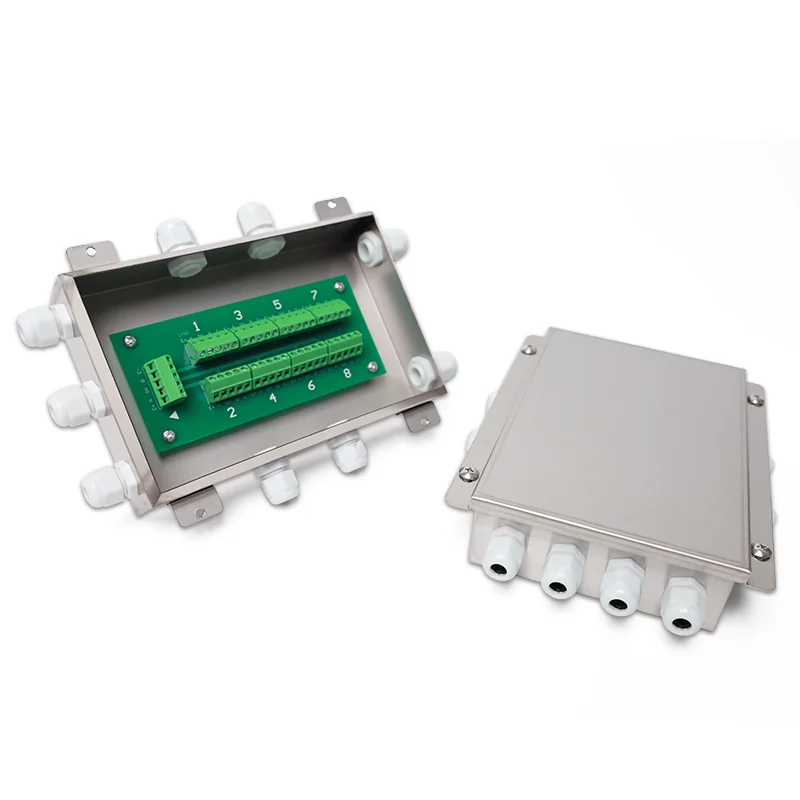 Load Cell Accessories