Contact sales TEL / WhatsApp  +86 18135720426

Load Cells

4 product solutions with practical selection information.

Industrial load cells and weighing sensors covering multiple capacity ranges.

WhatsApp Us
PRODUCT SELECTION

Match the weighing solution to the application

Selection of load cells begins with the complete load path that converts applied force into a measurement signal. For industrial load cells, mechanical format, loading direction and environment differ; weighing sensors with the same nominal capacity are not automatically interchangeable.

Compare the right product type

Complete weighing systems, indicators, controllers, load cells and accessories perform different roles. Start with the equipment and result you need, then compare the appropriate solution.

RequirementBest fit whenInformation to confirm
Force direction and sensor formatThe mechanical structure establishes tension, compression, bending or single-point loading.Load direction, support and load-introduction geometry, side-load control and movement.
Capacity and sensor countTotal load and load distribution can be established.Dead load, live load, overload, number of sensors and per-sensor loading.
Electrical integrationThe indicator, transmitter or controller is known.Rated output, excitation, bridge resistance, wiring, cable and junction arrangement.
Environment and approvalMoisture, corrosion, washdown or regulated use affects selection.Material, sealing, temperature, cable protection and exact certificate scope.

Tension and compression routes

S-type and compression formats are compared from the actual force path and mounting arrangement.

Beam and single-point routes

Platform geometry, load introduction and corner behaviour are reviewed with the sensor drawing.

Complete scale compatibility

Match the sensor with the mounting, load path, junction, indicator and complete-scale requirements.

PRODUCT RANGE

4 Load Cells Products

Open a product page to compare images, specifications and application details, then use Quick Inquiry to confirm the configuration.

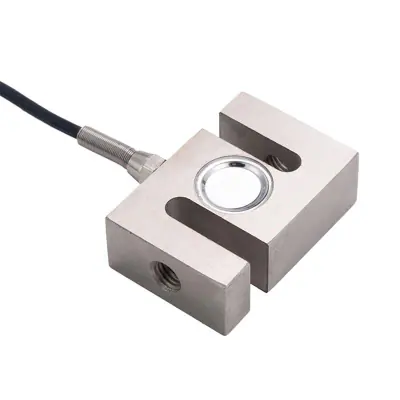
S-Type Load Cell (100–2000 kg) View product details
Load CellsAvailable Product

S-Type Load Cell (100–2000 kg)

S-type tension and compression load-cell route with a listed 100–2000 kg family range; the exact capacity and mounting arrangement require model confirmation.

Listed product range
100-2000 kg; exact capacity and model must be confirmed
View Details
Beam Load Cell (500–3000 kg) View product details
Load CellsAvailable Product

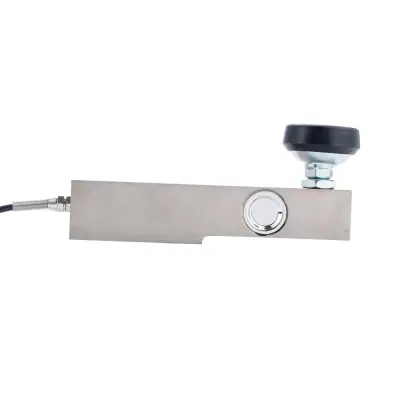
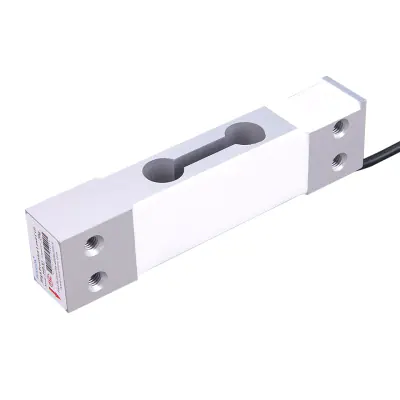
Beam Load Cell (500–3000 kg)

Beam load-cell route with a listed 500–3000 kg family range for scale integration; the exact capacity, load introduction and mounting require model confirmation.

Listed product range
500-3000 kg; exact capacity and model must be confirmed
View Details
Single-Point Load Cell View product details
Load CellsAvailable Product

Single-Point Load Cell

The single point load cell is a project-selected weighing sensor designed for small and medium platform scales, bench scales, counting scales, price computing scales, packaging scales, and other electronic weighing equipment.

Sensor type
Single-point load cell
View Details
SELECTION OVERVIEW

Choose the closest product, then confirm the final configuration

Industrial load cells and weighing sensors covering multiple capacity ranges.

  • Single-point and compression load cells
  • Capacities from kilograms to tonnes
  • Industrial weighing-sensor applications
  • Model-specific product galleries

Information to prepare

  • Model and application
  • Dimensions and mounting
  • Signal and power
  • Environment
  • Quantity and lead time

Guides for Selecting Load Cells

Continue with application, installation, verification and integration guidance.

Frequently Asked Questions

How do I choose the correct type of load cell?

Start with the force direction and mechanical structure, then review total and per-sensor load, mounting, load introduction, environment, output, cable and required performance. Capacity alone is not enough.

Why is load-cell mounting important?

Side load, binding, uneven support, poor load introduction and uncontrolled movement can dominate sensor performance. The mounting arrangement must transmit the intended force while controlling unwanted forces.

Can one load cell replace another with the same capacity?

Not without checking dimensions, mounting, load direction, rated output, excitation, wiring, material, sealing and certificate scope. A matching capacity label does not establish interchangeability.

Does a load-cell certificate approve the whole scale?

No. A component certificate covers only its stated model and conditions. The complete weighing instrument still requires compatible components, an accepted design, correct installation and any applicable local verification.

Discuss a Load Cells project

Send the application, capacity, equipment and country requirements for configuration review.

WhatsApp Us
Contact