
Select & compare
Buying guides and role comparisons for equipment, instruments and complete systems.
Technical articles, guides, videos and document requests.
Help distributors, engineers and project teams select, install, calibrate and maintain industrial weighing systems.
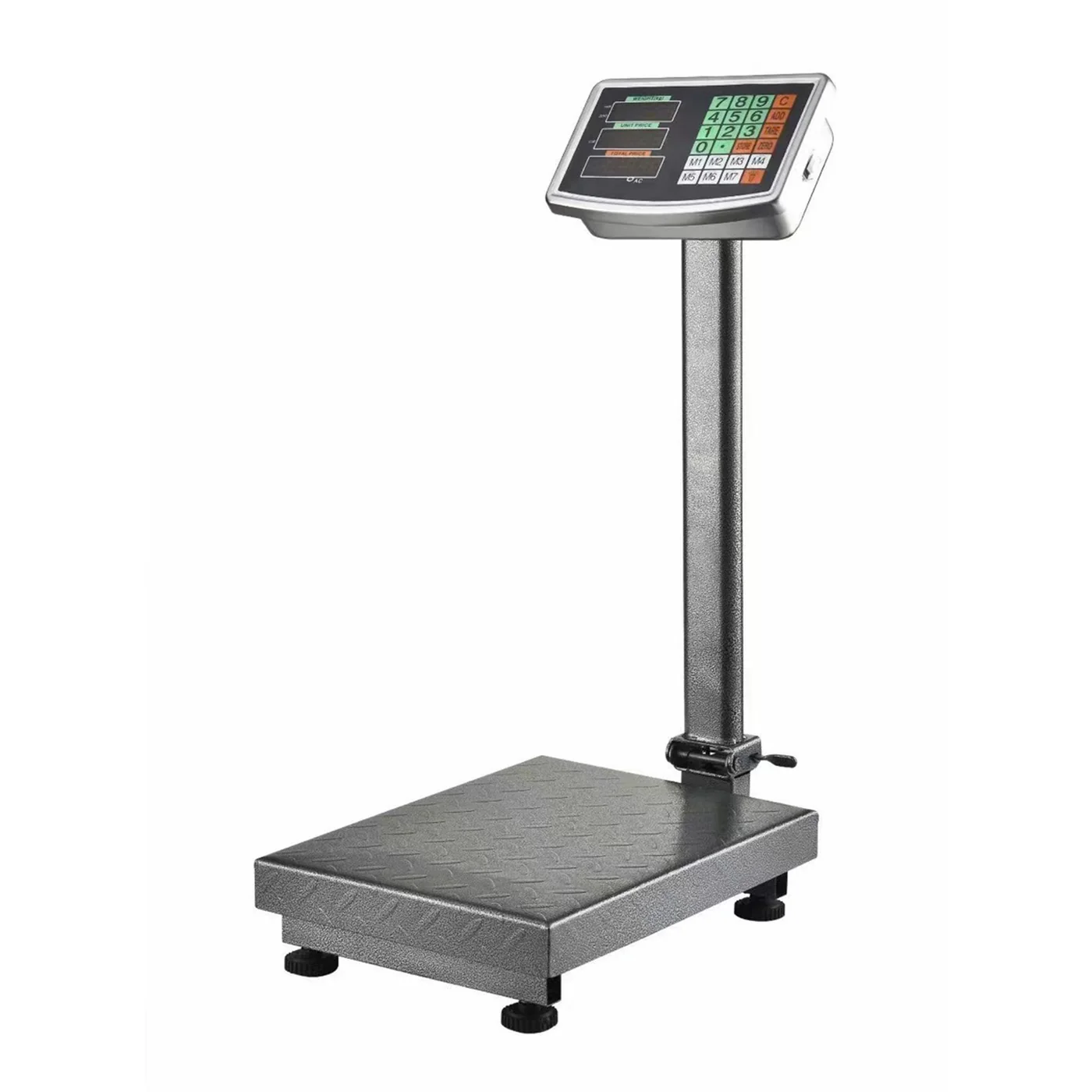
Prepare application, load, environment, data, documentation, acceptance and responsibility inputs before comparing industrial weighing quotations.
Read GuideAsk the right equipment and application questions.
Define installation, calibration and legal-use boundaries.
Use structured data before detailed engineering.
Choose the job to be completed before opening a product family or model page.
Buying guides and role comparisons for equipment, instruments and complete systems.
Installation, calibration, accuracy and acceptance guidance with explicit evidence boundaries.
Condition-based checks that preserve evidence before adjustment or repair.
Signal, protocol, record and system-ownership guidance for industrial integration.
Prepare application, load, environment, data, documentation, acceptance and responsibility inputs before comparing industrial weighing quotations.
View details
Follow the measurement from material on the belt through load sensing, speed sensing, rate calculation, totalization and the accepted record.
View details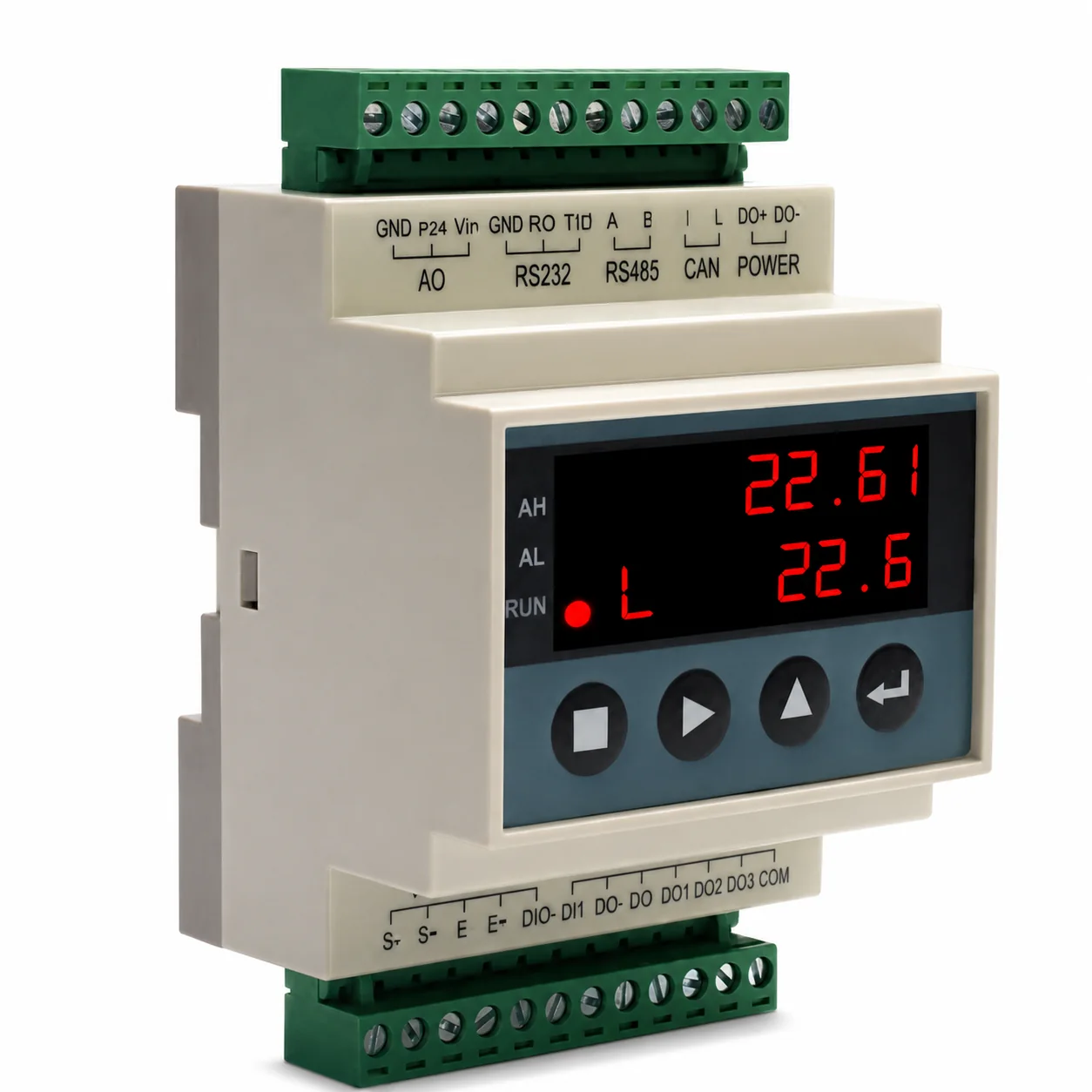
Preserve the symptom, then isolate power, sensor input, configuration, operator state, I/O, communications, records, peripherals and environment.
View details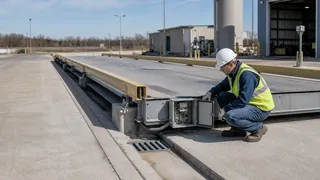
Build a risk-based truck-scale maintenance plan across operator observations, cleaning, structure, load cells, grounding, calibration and records.
View details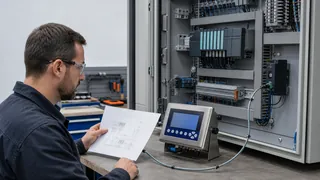
Specify RS-485 wiring, Modbus RTU settings, register meaning, weight status, write permissions, fault handling and acceptance tests.
View details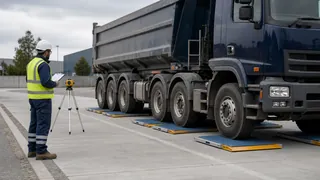
Separate pad specifications from deployed accuracy and validate the complete static weighing method across site, vehicle, positioning and reference testing.
View details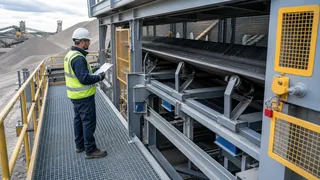
Follow a belt scale calibration workflow covering conveyor readiness, zero, span, material tests, acceptance records and post-adjustment verification.
View details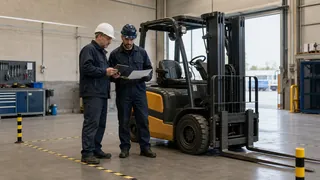
Plan a forklift scale retrofit with truck approval, attachment checks, protected wiring, controlled commissioning, training and traceable handover.
View details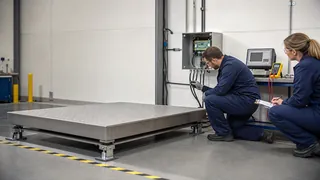
Diagnose industrial load-cell faults in a safe order across the load receptor, mount, cable, junction box, excitation, signal, indicator and environment.
View details
Choose a wheel loader scale from the machine, attachment, lift cycle, payload decision, data output, installation route and site acceptance test.
View details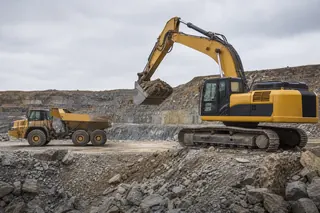
Specify one excavator, attachment and work cycle, then write the calibration evidence and site acceptance method before comparing systems.
View details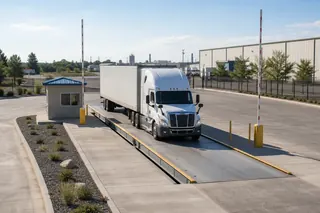
Plan site layout, vehicle envelope, deck and foundation interfaces, load cells, indicator, software, responsibilities and acceptance tests.
View details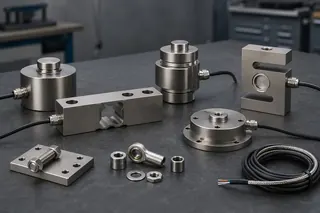
Choose load-cell architecture, capacity, mounting, environment and documentation from the complete load path and acceptance method.
View details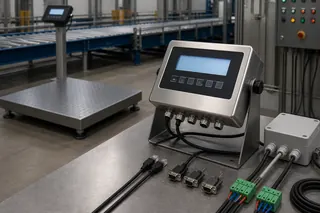
Compare load-cell input, I/O, Modbus and serial data, operator controls, records, enclosure and failure behaviour before choosing an indicator.
View details
Choose the weighing route from the operational decision, forklift interface and acceptance test—not from headline capacity alone.
View detailsCompare onboard forklift weighing with a fixed floor scale by decision point, handling flow, truck compatibility and acceptance method.
View details
Wheel loader scale performance depends on the machine, hydraulic condition, lift path, site and operator procedure working together.
View details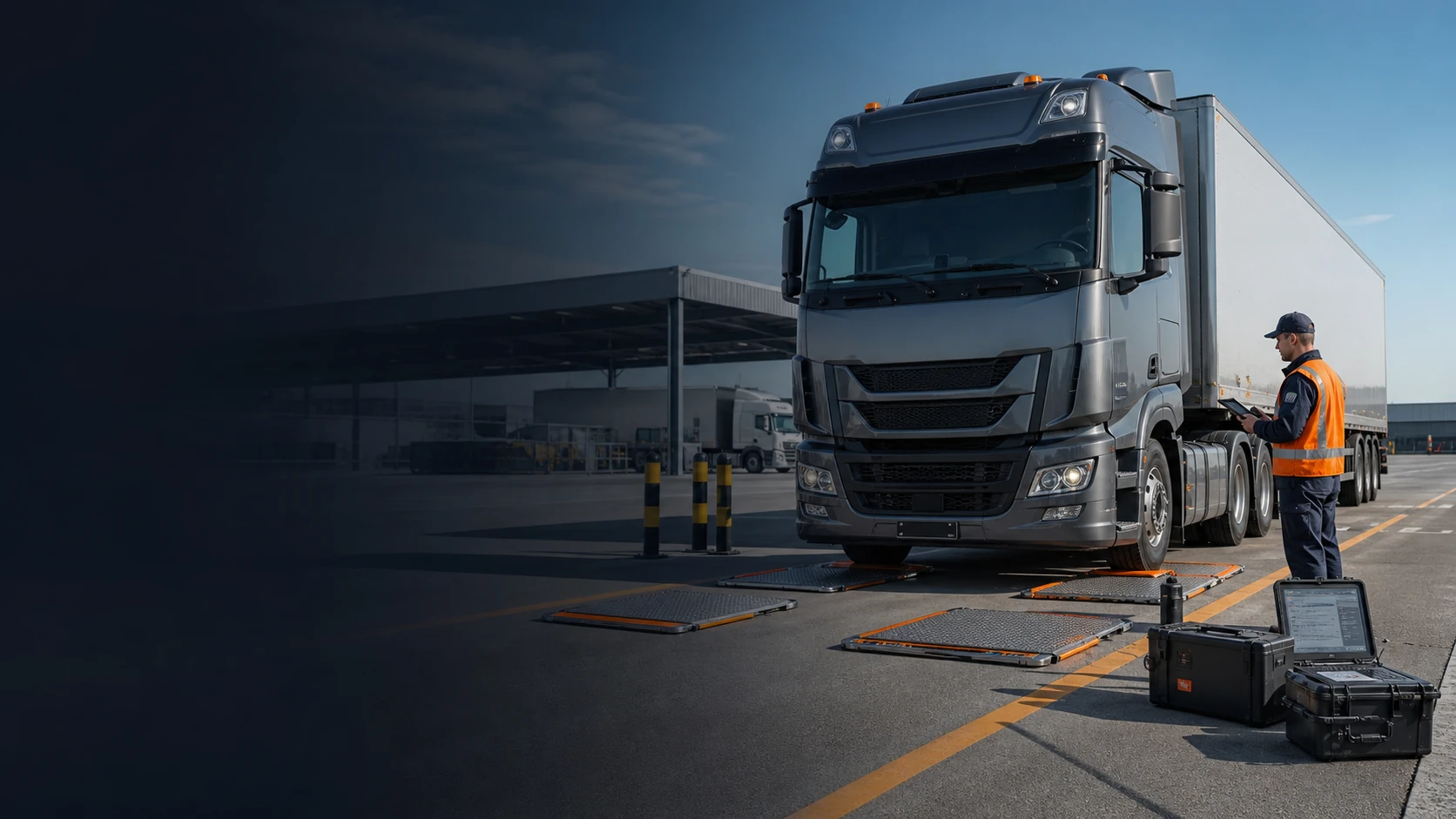
Size the system from maximum wheel loads and define the site, pad layout, vehicle procedure and record output before choosing hardware.
View detailsCompare portable axle pads with a fixed truck weighbridge by wheel, axle or gross result, site preparation, traffic flow, civil work and verification.
View details
Select a belt scale from material and flow range, conveyor geometry, installation zone, speed sensing, integrator outputs and calibration plan.
View details
Compare static axle weighing with low-speed WIM by vehicle movement, site layout, throughput, invalid-run rules, verification and legal-use boundaries.
View details
Plan scale-indicator, PLC, ERP and WMS integration from the required record, ownership, interface and failure behaviour.
View detailsChoose a platform, floor or bench scale from the real load path, traffic, dimensions, environment, record and verification plan.
View details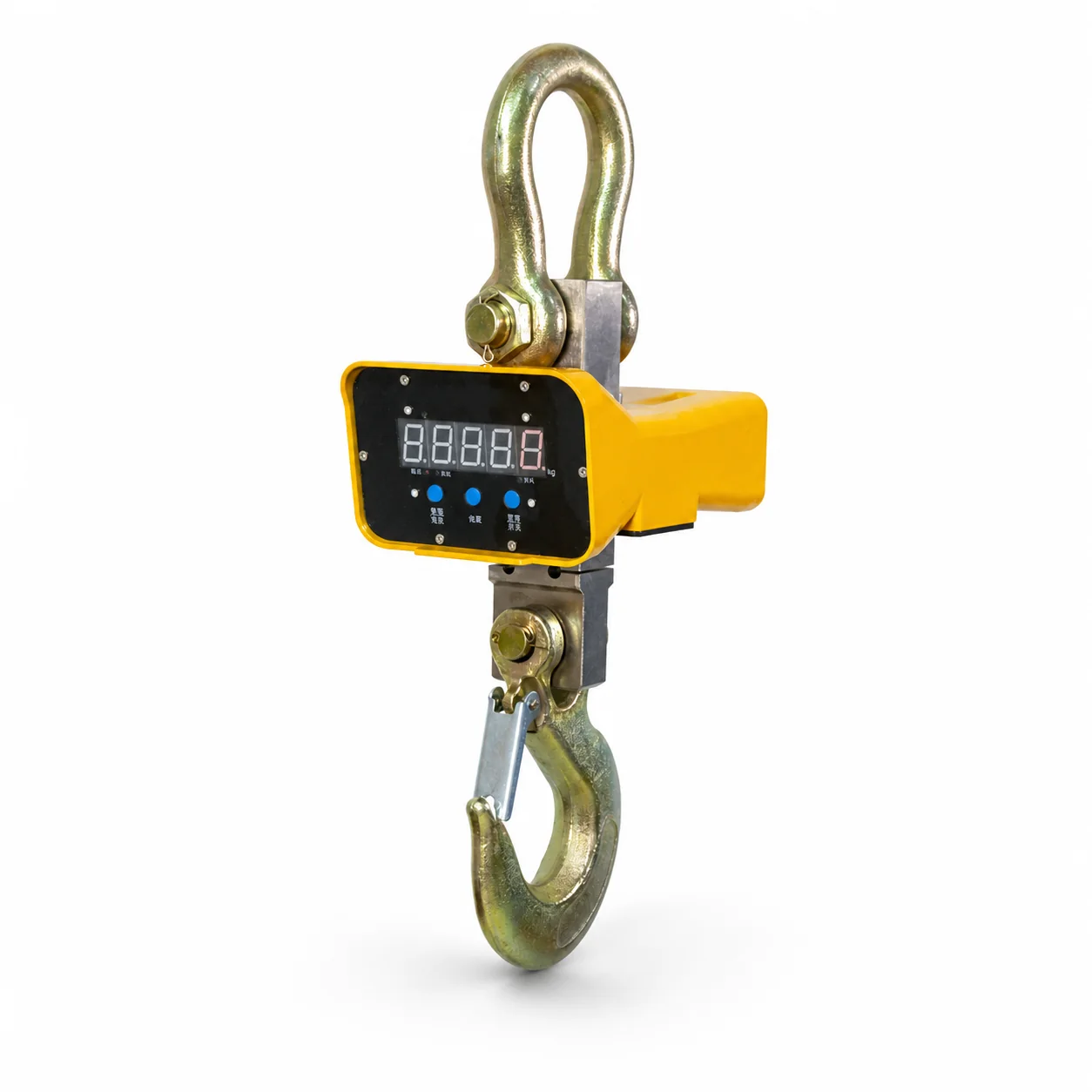
Select a suspended-load weighing route without confusing the weighing instrument with the crane, rigging or lifting safety programme.
View details
Use the decision point, load path and required record to choose among stationary, mobile, onboard, conveyor, suspended and control-oriented weighing routes.
View detailsSeparate type approval, installation verification and periodic checks before treating a certified scale as ready for trade use.
View detailsChoose between mechanical and electronic weighing from the record, integration and verification the application actually needs.
View detailsOpen the document request library to ask for the current file matched to your selected model and project scope.
Tell us which product or application you are evaluating and our team will share the most relevant available video material.
Ask for the current file matched to the exact model, version and project scope.
Ask an engineer to review the equipment, process or vehicle requirements.
Start with the product and one key requirement. We will use the details to review the appropriate configuration.
Send your core application details. We will review the request and follow up by email or Tel / WhatsApp.