
Certified scales are instruments whose design has passed an independent type evaluation, such as NTEP certified scales in the United States, OIML certification in participating countries, or MID conformity in the European Union. Type approval covers the design, not the installed instrument: legal for trade use still depends on verification of the installed scale by the competent authority, and the exact duties differ by country and transaction type.
1. Start with the legal question, not the certificate logo
A certificate on a brochure answers one question: an independent body evaluated this design against a published standard. It does not answer whether the installed instrument may be used for a given transaction in a given jurisdiction. Buyers who start from the logo often discover the gap at the first inspection.
Define the transaction first. If the weight value sets a price, a freight charge, a tax or an enforcement decision, metrology law probably applies and the approval route must be planned before the equipment is selected. If the value only guides an internal decision, verification against a known reference is usually enough.
2. Compare the three approval systems buyers ask about
Three names appear in most international quotations. They overlap in method but differ in legal force, territory and scope, and none of them replaces installation-level verification.
| System | Legal area | Who stands behind it | What it covers | What it does not cover |
|---|---|---|---|---|
| NTEP (United States) | US states that adopt Handbook 44 requirements | National Conference on Weights and Measures issues the Certificate of Conformance | Type evaluation of the instrument design, including electronics, software and markings | Installation quality, in-place verification and the registration each state requires |
| OIML certification | Countries whose schemes accept OIML certificates as evaluation input | Issuing authorities designated under the OIML Certification System | Type evaluation against OIML recommendations such as R 76 for non-automatic instruments | The national approval that gives legal force in each country |
| MID (European Union) | EU member states for instruments in scope of Directive 2014/31/EU | Notified bodies designated by member states | Conformity assessment of the design, with the CE and supplementary metrology marking | Periodic re-verification duties, which each member state sets separately |
3. Certified is not the same as ready to use
Approval of a design, acceptance of an installation and control over time are three different events with three different owners. A purchase file that mixes them up leaves the buyer holding the risk at inspection.
| Stage | What is checked | Who is responsible | Evidence to keep |
|---|---|---|---|
| Type approval | The design against the standard: load receptors, electronics, software, markings | Manufacturer with the approval body | Certificate number, scope and valid module versions |
| Installation acceptance | The installed instrument in its real foundation, environment and use pattern | Buyer and installer, with the local authority where required | As-installed test record against an agreed protocol, such as a one-day site acceptance test |
| Periodic verification | Continued conformity at the interval the jurisdiction sets | Owner of the instrument with the competent authority | Verification marks, certificates and service records with dates |
4. Which weighing transactions trigger legal-for-trade duties
The trigger is the use of the result, not the size of the scale. A bench scale in a shipping office can be inside the law while a weighbridge used only for internal fleet control stays outside it.
| Use of the weight value | Typical legal status | What to plan |
|---|---|---|
| Selling or buying material by weight | Legal-for-trade in most jurisdictions | Approved type plus verified installation before the first transaction |
| Freight charges based on weight | Often treated as a trade transaction | Same route as sale by weight; confirm the local rule |
| Enforcement and overload control | Set by the enforcement authority | Equipment accepted by that authority, not a general certificate |
| Internal loading, batching or stock control | Usually outside metrology law | A verified system with a documented test protocol is normally sufficient |
5. Evidence to request from a scale supplier before quotation
A quotation that names the approval route precisely is cheaper to verify than a logo. Ask for the following items in writing and keep them with the purchase file; they also shorten any later discussion with the inspecting authority.
- Certificate or approval number with the issuing body and its current validity status
- Scope of the approval: capacity, verification interval, number of divisions and instrument configurations covered
- Module and software versions the certificate names, matched to the quoted configuration
- Marking plate layout and where the verification marks will be applied after installation
- Installation and acceptance-test requirements the approval assumes, including foundation and environmental limits
- The verification procedure and interval expected in the destination jurisdiction
Decision guidance
Require the exact certificate number, scope and module versions with any quotation, and treat installation verification by the local authority as a separate step that no supplier certificate can replace.
This guide explains approval systems at a general level and is not legal advice. Legal-for-trade duties are set by national or regional law and by the competent weights and measures authority, and they change; confirm the current rule for the exact transaction and jurisdiction before purchase or use.
Frequently asked questions
Is an NTEP certified scale automatically legal for trade in every US state?
No. NTEP type evaluation is the common baseline, but each state weights and measures program registers, inspects and seals the installed instrument. Some states add their own requirements, so the installed scale still needs the local verification step before trade use.
Does an OIML certificate replace national approval?
Not by itself. OIML certificates document that a type passed evaluation against an international recommendation, and many national schemes accept them as input. The national or regional authority still grants the approval that has legal force in its jurisdiction.
What is the difference between a certified scale and a calibrated scale?
Certification is a type evaluation of the design by an approval body. Calibration is a measurement check of one instrument against a reference at a point in time. A certified design can drift out of tolerance, and a calibrated instrument may have no approval at all; the two answer different questions.
Do forklift or onboard scales need legal-for-trade approval?
Only when the reading is used for a transaction covered by metrology law, such as selling material by weight or charging freight on weight. For internal loading control and production records an unapproved but verified system is usually acceptable; the intended record decides.
References
The following official and first-party sources support the bounded examples, standards context and evaluation methods used in this guide. They do not verify an FMSCales configuration.
 Truck Scales
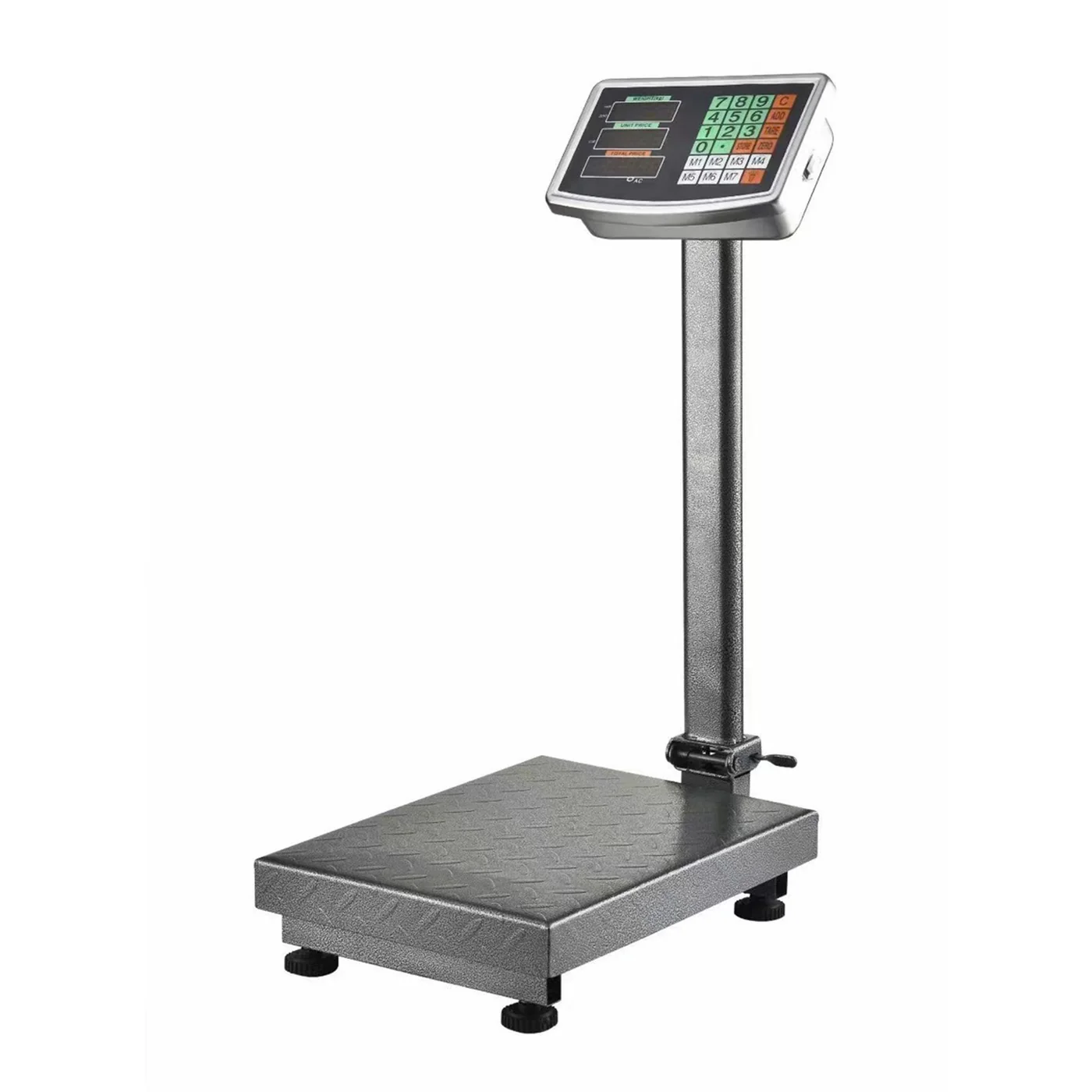 Platform Scales
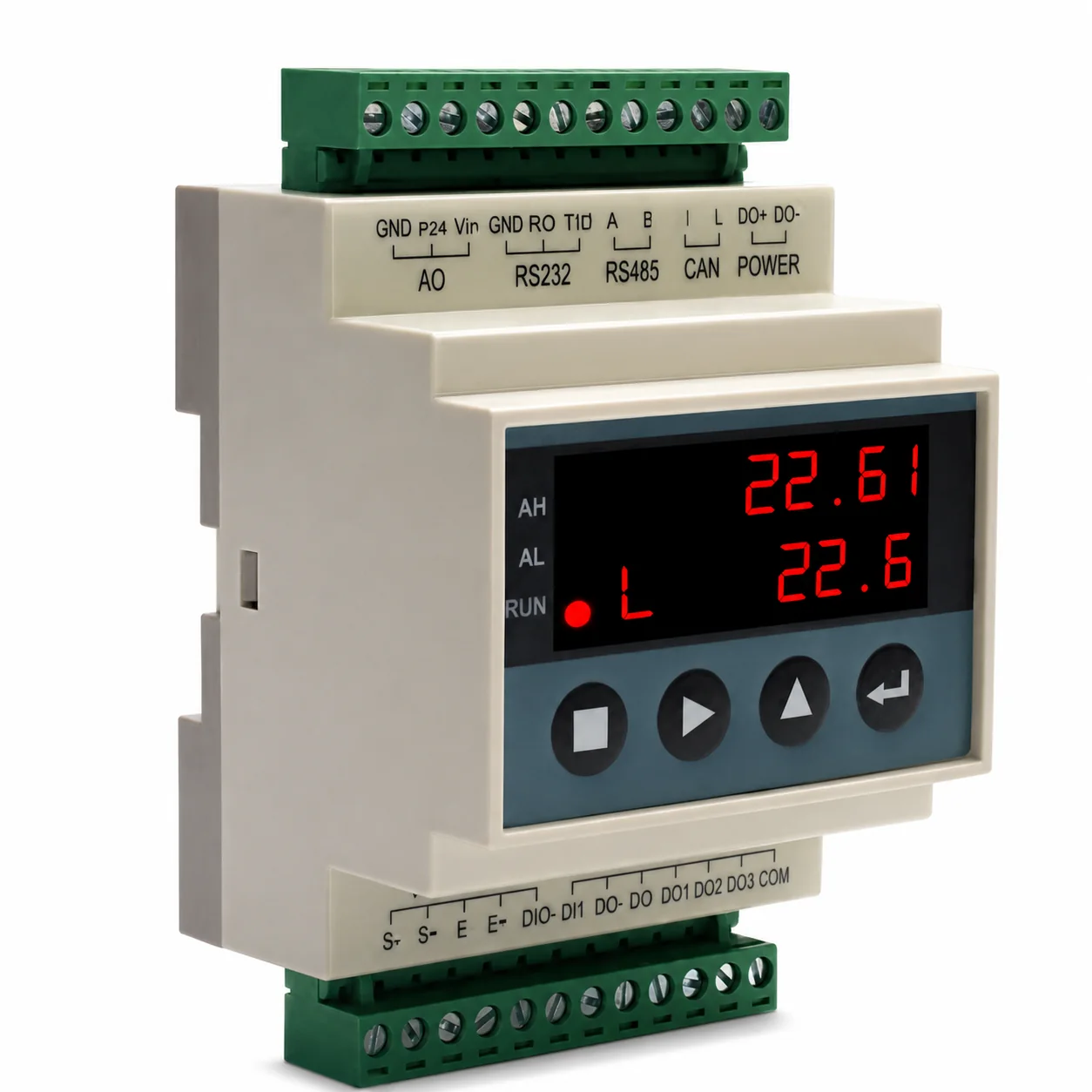 Weighing Indicators