A fixed truck scale should be purchased as an installed measurement project, not as a platform with a capacity label. The buyer must define the vehicles, traffic route, weighing transaction, site conditions, structural duty, component interfaces, software records, legal-use boundary and acceptance method before comparing quotations. When those inputs are missing, two proposals can carry the same nominal capacity while placing very different work, risk and cost on the buyer.
This guide is for a permanently installed, static scale that supports the complete vehicle while a weight is taken. It does not cover portable wheel or axle pads, axle-by-axle static procedures, weigh-in-motion enforcement screening or a method-selection comparison. Buyers who have not yet chosen between mobile pads and a permanent platform should first use the portable axle scale versus truck scale comparison. The present guide begins after the fixed full-vehicle route has been selected.
It also does not certify a product or decide whether an installation is legal for trade. That decision depends on the country or jurisdiction, adopted rules, exact instrument and module versions, certificate scope, installation, verification and intended transaction. A supplier’s generic reference to OIML, NIST, NTEP or a load-cell certificate is not enough to close that question.
Freeze the business transaction before selecting hardware
The first design input is the decision made from the weight. A truck scale used to reconcile internal quarry production is not automatically the same project as one used to invoice a customer, receive grain, control outbound legal loads or create a regulated weigh ticket. The vehicle may look the same, but the record, approval route, traffic control, operator authority and failure response can be different.
Write one project sentence before discussing platform length:
The scale will weigh [identified vehicles] at [site and process step] so that [responsible role] can make [business or regulatory decision], and the accepted transaction will be recorded in [system of record].
Then classify the intended result:
- an internal gross-weight check;
- a gross, tare and net transaction for inventory or dispatch;
- a commercial quantity used between buyer and seller;
- a transport-compliance or pre-dispatch decision;
- an input to process, ERP, terminal or yard-management software;
- a dual-purpose route in which regulated and non-regulated records must remain distinguishable.
This classification changes the evidence expected from the instrument and the site. For a commercial transaction, the buyer may need a legally controlled instrument, approved software functions, protected settings, prescribed markings, official verification and controlled ticket content. For an internal production estimate, the authority route may not apply in the same way, but the buyer still needs repeatable operation, traceable records and a written acceptance test. The contract should state the intended use explicitly rather than letting each bidder infer it.
The transaction definition should also name what happens when weighing cannot proceed. Can a vehicle be diverted? May an authorized user enter a manual weight? Is an estimated value prohibited? Who can correct a plate number or tare? Does the vehicle return for a reweigh? A project that describes only normal operation leaves its most disputed records undefined.
Build the vehicle and traffic envelope
Platform selection starts with the vehicles that must be fully supported, not with a familiar standard size. Prepare a vehicle schedule that includes the shortest and longest wheelbase, overall vehicle length and width, axle count and spacing, steering and rear overhang, normal gross range, maximum permitted operating case, unusual axle or concentrated loads, trailers, multi-combination vehicles and any future fleet that is already planned.
Gross vehicle weight alone is insufficient. A platform and its supporting structure experience load through tyres, axles, deck sections, modules, load introduction points and foundations. The buyer should require the responsible designer to state the structural design basis and the operating load cases used. Do not convert a scale’s nominal weighing capacity into an assumed structural, concentrated-load or overload rating. Those are separate declarations and must be supported by the approved design for the quoted arrangement.
Map the traffic route on a site drawing. Show:
- entry and exit direction;
- turning paths and vehicle swept area;
- approach alignment before the platform;
- gates, barriers, traffic lights and driver displays;
- queuing space at normal and peak arrival rates;
- a bypass, reject or reweigh route if required;
- interaction with pedestrians, loaders and other mobile plant;
- the operator station, intercom, ticket collection and safe access;
- drainage paths, washdown water, mud, snow or material carryover;
- access for inspection, cleaning, calibration equipment and future component replacement.
The scale needs a vehicle to enter, settle, be identified, remain completely supported during the accepted reading and leave without an unsafe conflict. That sequence should be drawn, not left as an operating assumption. A long platform cannot repair a poor approach, and a fast indicator cannot remove a traffic bottleneck caused by one gate serving entry and exit.
Queue capacity deserves its own check. Use observed or forecast arrivals, transaction time, driver interaction and exception frequency to test the lane concept. Avoid publishing a universal vehicles-per-hour figure: throughput depends on identification, barriers, ticketing, software, driver behavior, axle configuration, site rules and whether gross and tare are captured in separate visits.
Define the civil and environmental interface before the foundation drawing
The truck-scale supplier, civil designer, contractor and site owner must work from one controlled interface document. It should show the load receptor, foundation reactions or design inputs, pit or above-ground arrangement, approach slabs, drainage, cable routes, earthing, power and communications, service clearances, tolerances, embedded items and responsibility for final dimensions.
The choice between a pit and an above-ground installation is not a global rule. A pit may suit a site that needs a low profile and has adequate drainage and service planning. An above-ground arrangement may improve access to some components but can require ramps, more longitudinal space and careful traffic control. Local flood level, groundwater, frost, soil, seismic, corrosion, vehicle geometry, cleaning method and building constraints can change the decision. The qualified civil designer must confirm the site-specific solution using the manufacturer-approved interface drawing and applicable local codes.
Before construction, close these questions:
- Who commissions the geotechnical investigation or confirms existing foundation suitability?
- Which party owns structural calculations for the foundation, approaches and any supporting steel or concrete?
- Which drawing controls if civil tender information conflicts with the final scale arrangement?
- Who verifies levels, alignment, concrete strength, drainage and embedded items before equipment delivery?
- Who rectifies out-of-tolerance work, and how does it affect schedule and warranty?
- How will test equipment, service personnel and lifting equipment reach the scale after the site becomes operational?
Drainage and debris control are measurement and maintenance issues as well as civil details. Standing water, packed material, ice or contact between the load receptor and surrounding construction can affect free movement and access. The inspection plan should define clearances, cleaning access and the person responsible for routine checks. Do not rely on an inaccessible pit pump or an unassigned cleaning task.
Electrical planning should identify supply voltage and quality, isolation, protective devices, cable segregation, earthing and bonding, surge and lightning protection, UPS requirements, communications medium and the environmental rating required at each enclosure. The project engineer should review applicable local electrical and lightning-protection rules. This draft does not claim that any particular protection method or FMSCales component is suitable for a given site.
Specify the platform as a load receptor, not a shipping dimension
A fixed weighbridge platform is where vehicle geometry, structural duty, transport logistics and service access meet. The RFQ should distinguish at least five decisions.
Usable length and width
The complete vehicle configuration used for the accepted weight must fit the intended weighing method. Record wheelbase and axle-spacing extremes, not only overall body length. Width must support safe tyre placement and the selected guidance arrangement while remaining compatible with the site lane. If unusual trailers, wide tyres or off-road vehicles are included, identify them rather than assuming the normal fleet envelope covers them.
Structural and weighing capacity
Request the nominal scale capacity, division or readability, structural design basis, applicable axle or concentrated-load limits, section or module limitations and stated overload conditions as separate items. The buyer should not invent a relationship between them. Require the bidder to show that the quoted arrangement covers the declared fleet and intended operating cases.
Deck, modules and transport route
Ask how the platform is divided for manufacture, shipment and site assembly; how connections are made; what transport and lifting plan is assumed; and which dimensions must remain controlled after assembly. A remote site, restricted gate, containerized shipping route or limited crane access can alter the practical module arrangement. Shipping convenience should not be allowed to silently redefine the installed structural scope.
Surface and environment
Define corrosion exposure, salt, fertilizer, chemicals, washdown, abrasive material, dust, temperature range and any hazardous-area classification. Material and coating proposals should be tied to a named preparation and inspection requirement, not a general statement such as “heavy duty.” Hazardous-location suitability must be confirmed for every relevant component and the complete installation; it cannot be inferred from one enclosure.
Access and maintainability
Show how technicians will inspect load introductions, restraints, mounts, cables, junction boxes, gaps and drainage. Identify the equipment and safe isolation needed to replace a load cell or service a module. A lower purchase price can be poor value if routine inspection requires unplanned civil work or if a critical component cannot be reached without closing the only traffic lane for an extended period.
The proposal comparison should therefore separate platform price from installation assumptions, civil work, freight, lifting, assembly, alignment, corrosion system, access provisions and long-term inspection. Otherwise, the buyer is comparing different scopes rather than different prices.
Treat load cells, mounts and junctions as one measurement chain
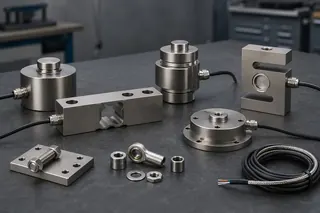
Load cells do not operate independently of the load receptor. OIML R 60-1:2021 describes metrological and technical requirements for load cells and explicitly treats a load cell as a module within a more complex measuring instrument.[1] A load-cell evaluation does not by itself approve the complete truck scale, its platform, indicator, software, installation or use.
For the quoted configuration, request:
- load-cell manufacturer and exact type designation;
- rated capacity, class and relevant metrological characteristics;
- certificate number, issuing body, recommendation edition and complete annex where approval is claimed;
- environmental limits and enclosure/protection evidence;
- cable type, length, connection and replacement rules;
- number and position of load cells in the platform arrangement;
- mount, rocker, restraint or anti-rotation details as applicable;
- junction-box type, adjustment method, sealing and access;
- approved compatibility with the indicator and complete instrument;
- spare-part identity and the procedure after replacement.
Do not accept a cropped certificate cover as the evidence pack. The model, capacity, class, variants, options and conditions in the certificate and annex must match the offered item. If the bidder proposes an alternative load cell during production or service, the change-control process should require a technical and approval review before substitution.
The mechanical load path needs equal attention. Side loads, binding, debris, incorrect restraint, settlement, thermal movement and damaged mounts can affect the installed system even when the load cell is genuine. Commissioning and maintenance should inspect the complete load introduction and freedom of movement, not only electrical output.
Select the indicator from the instrument and operator workflow
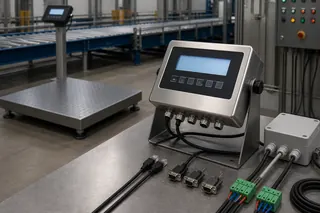
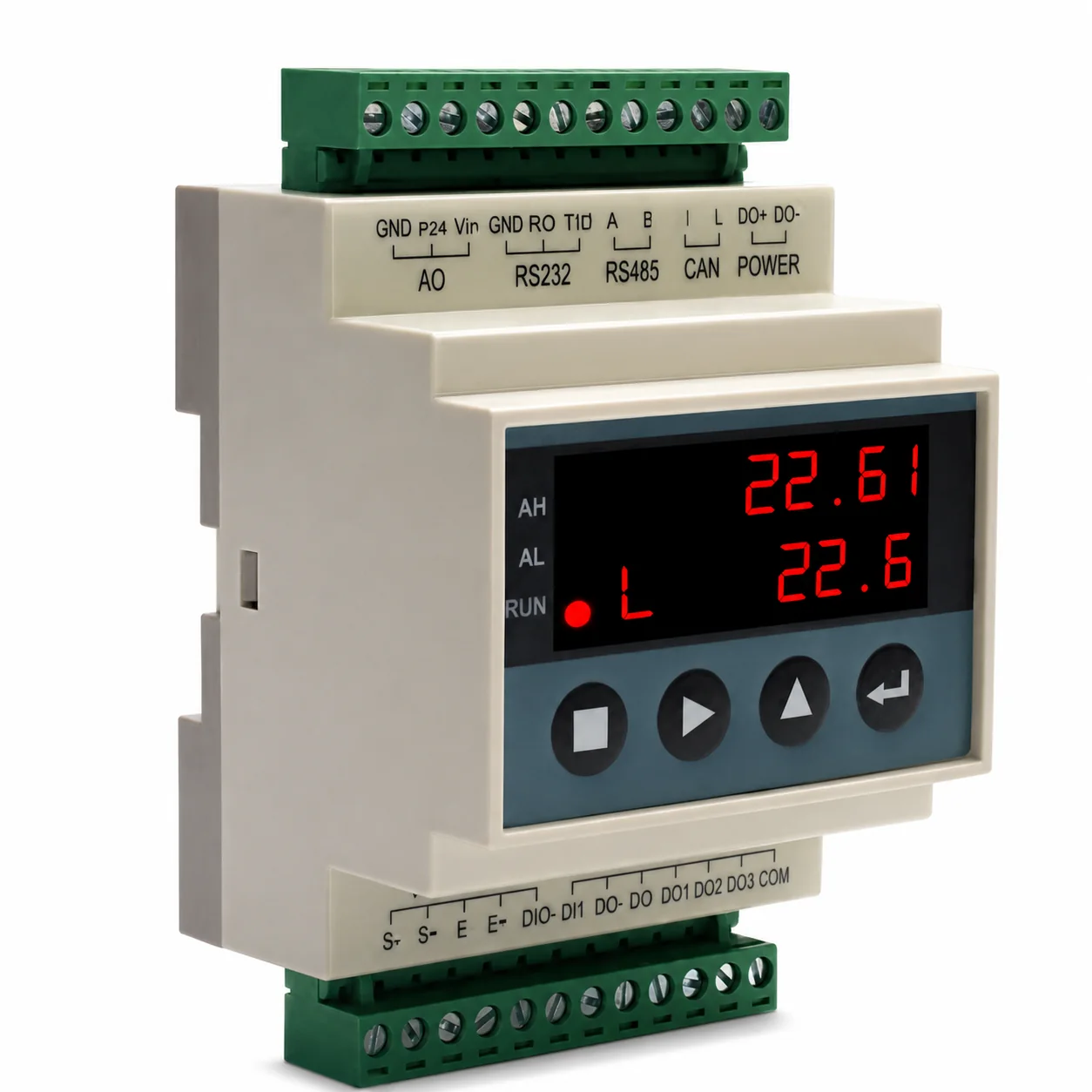
The indicator must be compatible with the load-cell circuit, required number of verification intervals or display divisions, environmental conditions, sealing and legal functions of the intended instrument. It must also make the site workflow understandable to the operator.
The RFQ should identify:
- exact indicator model, firmware and configuration;
- load-cell excitation, signal and connection limits relevant to the offered circuit;
- display units, division, stability behavior and zero/tare functions required;
- gross, tare and net workflow;
- vehicle, customer, supplier, material, order and operator identifiers;
- local printer, ticket layout, remote display and traffic-control outputs;
- digital, serial, analog or network interfaces actually supported by the quoted version;
- enclosure, power, temperature and location requirements;
- sealing, event logging and access levels where legally relevant;
- configuration backup, restore and replacement procedure.
A long feature list is less useful than a demonstrated operating sequence. Ask bidders to walk through an inbound transaction, an outbound transaction, a rejected reading, a wrong vehicle ID, a printer failure, a power restart and an authorized correction. Record which functions belong to the indicator and which depend on separate software.
Specify software as a controlled transaction system
Truck-scale software is often priced late because “integration” appears as one line in the quotation. That line can hide the largest operational difference between proposals. Define the record and its states before selecting a protocol.
One accepted transaction should have a stable identity and, as applicable, the vehicle, trailer, driver, customer or supplier, material, order, gross, tare, net, unit, indicator/device identity, site, timestamp and time-zone rule, operator, acceptance status and correction history. Not every project needs every field, but every retained field should have an owner and a business reason.
Then document behavior:
- What event captures a stable weight?
- Can a vehicle use a stored tare, and who maintains it?
- How are first and second weighings paired?
- What prevents one weighing from being posted twice?
- What happens if the network, server, printer, barrier or camera is unavailable?
- Can weighing continue offline, and how are queued records reconciled?
- Who can correct a plate number, material or order after capture?
- Is the original value preserved after a correction?
- Which system owns the accepted transaction: indicator, local application, yard system, ERP or another platform?
- How are users authenticated, permissions reviewed and administrative actions logged?
- What are the backup, restore, retention and export requirements?
Integration must be tested for meaning, not just connectivity. A Modbus register, serial message, file, API or database row does not prove that the receiving system understands stable status, units, sign, tare ownership, duplicates and corrections. The weighing data integration guide provides the deeper record, ownership and failure-design method; this buying guide keeps those requirements tied to the truck-scale contract.
Record all software dependencies: license model, included users and sites, operating-system or database requirement, supported interfaces, third-party services, remote-support method, cybersecurity responsibility, update policy, offline limits and recurring fees. Values that are not yet confirmed should remain TBC in the proposal instead of becoming informal promises.
Separate legal-metrology evidence by market, model and version
“Legal for trade” is not a universal product adjective. It describes an instrument and use accepted under the applicable control system. The buyer must identify the competent authority and approval route in the country or jurisdiction where the scale will operate.
OIML R 76:2006 addresses non-automatic weighing instruments. The OIML technical committee page still lists R 76:2006 as the published recommendation while a revision project is active.[2] OIML recommendations provide a common technical basis; they are not, by themselves, a national permission to place an arbitrary scale into commercial service.
The OIML Certification System issues and registers certificates and associated type-evaluation reports for instrument types or modules based on OIML Recommendations. OIML describes the system as voluntary and explains that participating national or regional bodies may use those reports as a basis for their own approval or recognition; additional national requirements may apply.[3] Therefore, the buyer should obtain the complete certificate and annex for the exact instrument or module and ask the responsible national body how it is used locally.
For the United States, NIST Handbook 44 is published annually and is adopted by many state, local and some federal weights-and-measures authorities for commercial equipment.[4] The 2026 edition was published on January 5, 2026. Adoption and enforcement remain jurisdictional, so the contract should name the edition and local authority actually applicable to the project rather than assuming that the latest federal publication automatically governs every site.
NIST states that the National Type Evaluation Program is administered through the National Conference on Weights and Measures and that devices sold in the United States for legal-for-trade purposes must pass the applicable type evaluation.[5] The buyer still needs to verify the exact certificate, model, options, software and installed configuration, and to arrange required local inspection or verification. A component’s NTEP or OIML evidence does not automatically extend to an unlisted combination.
For all markets, create a legal-use evidence register containing:
| Evidence item | What must match | Status |
|---|---|---|
| Applicable authority and rule | Country/jurisdiction, intended transaction and installation date | TBC until confirmed by the responsible local party |
| Complete-instrument approval or certificate | Manufacturer, type, model, capacity/divisions, modules, software and conditions | TBC for the offered configuration |
| Module certificates | Exact load cells, indicator or other approved modules and annex scope | TBC; not a substitute for complete-instrument review |
| Markings and sealing plan | Required nameplate data, identifiers, protected settings and seal locations | TBC by market and instrument |
| Initial verification / inspection | Responsible authority or qualified party, test method, evidence and release status | TBC by jurisdiction |
| Periodic or after-repair control | Interval, trigger, responsible party and record | TBC by jurisdiction and service event |
If the project is for internal control only, say so in the contract. Do not use internal status to imply that measurement quality, safety, document control or buyer acceptance can be omitted.
Assign every project interface to a named party
Most truck-scale disputes sit between scopes: the supplier expected the civil contractor to install conduits; the civil contractor followed an obsolete drawing; the software integrator expected a data field that the indicator does not provide; the test team arrives but cannot place standards on the platform.
Use a responsibility matrix before order placement. The project may involve the owner, equipment supplier, platform manufacturer, civil designer, civil contractor, electrician, installer, software provider, ERP integrator, calibration or service organization and legal-metrology authority. One company can hold several roles, but each deliverable still needs one accountable owner.
At minimum, allocate responsibility for:
- vehicle and traffic data approval;
- survey, geotechnical information and civil design;
- final foundation/interface drawing;
- platform structural and manufacturing documents;
- load cells, mounts, junctions and indicator compatibility;
- freight, unloading, lifting and mechanical assembly;
- power, earthing, surge protection and communications;
- barriers, signals, cameras, driver terminals and printers;
- software configuration, master data and integration;
- legal approval evidence and authority liaison;
- calibration standards, test vehicles and access;
- commissioning, operator training and acceptance records;
- backups, spares, preventive maintenance and post-repair verification.
The contract document register should identify each drawing, datasheet, certificate, calculation, manual, software version record, test procedure, inspection record, training record and as-built file. Give every controlled document an identifier, revision and approval status. A drawing emailed after concrete placement is not useful design control.
Change control matters because substitutions can affect more than procurement. A changed load cell may alter the mechanical mount, electrical circuit, certificate scope, spare strategy and indicator configuration. A changed platform module may alter foundation reactions and shipping. A software update may alter ticket fields or legally relevant functions. Require written impact review and approval before a change enters manufacture, construction or deployment.
Write the acceptance plan before releasing the order
Acceptance is not one calibration certificate at the end. It is a staged demonstration that the contracted project has been designed, delivered, installed and configured as agreed. The exact regulatory test procedure and tolerances must come from the applicable authority, standard edition and approved instrument; this guide does not create substitute tolerances.
A practical acceptance matrix can use the following stages:
| Stage | Buyer question | Typical evidence to define before contract |
|---|---|---|
| Requirements review | Does the approved specification describe the real vehicles, site, transaction, jurisdiction and interfaces? | Signed requirement schedule, vehicle list, site drawing, responsibility matrix and TBC register |
| Design review | Do platform, civil, electrical and software designs fit together? | Controlled general arrangement, foundation/interface drawing, load data, cable schedule, I/O list, record map and approval-evidence register |
| Pre-shipment document review | Is the supplied configuration identifiable and traceable to the approved design? | Final bill/configuration list, nameplate data, component certificates where applicable, inspection records, packing list and installation documents |
| Site-readiness inspection | Can equipment be installed without accepting hidden civil or utility defects? | Survey/level report, civil release, drainage check, power/earth/network readiness, access and lifting plan |
| Mechanical and electrical commissioning | Is the load receptor free, aligned and connected as designed? | Installation checklist, clearances, mount/restraint inspection, cable and enclosure checks, configuration backup and safety release |
| Functional transaction test | Do normal, invalid and recovery workflows create the intended records? | Approved test scripts for gross/tare/net, identity, duplicate, correction, printer, barrier, offline, restart, export and integration cases |
| Metrological / regulatory examination | Does the exact installed instrument meet the applicable test and approval requirements? | Recognized standards, authority-approved procedure, test results, seals/markings and official release where required |
| Operational handover | Can trained users operate, check and maintain the system within its approved scope? | Training attendance, operator procedure, maintenance plan, spare list, escalation contacts, backups and as-built dossier |
NIST EPO No. 13, revised 2026-05-29, is a useful official example of a structured examination outline for vehicle, axle-load and certain WIM vehicle scales under the relevant U.S. Handbook 44 context.[6] It is guidance for that scope, not a universal commissioning procedure. A buyer outside the adopting U.S. jurisdiction should not copy its requirements or tolerances without checking the local authority and applicable instrument approval.
Test logistics must be designed into the site. Confirm who provides recognized test standards or suitable test equipment, how it reaches and loads the platform, which safety controls apply, how long the lane is available, what happens after a failed test and who pays for repeat attendance. NIST Handbook 105-8:2019 provides U.S. specifications and tolerances for field standard weight carts used in verification of large-capacity scales; it does not make every weight cart or test method suitable for every country or project.[7]
Define acceptance evidence, not only pass/fail words. The final dossier should connect the instrument identity, hardware and software versions, test method, standards used, environmental/site condition, results, adjustments, seals, outstanding items and release authority. If an item is accepted with a limitation, record the limitation and the action required to close it.
Compare proposals with assumptions visible
Normalize every proposal into one table. A blank cell should not mean “included.” Use Included, Excluded, By Buyer, By Others or TBC, and require explanatory notes.
Compare at least:
- Intended use and market evidence: internal or commercial use, applicable authority, exact certificate scope and verification responsibility.
- Vehicle and structural coverage: declared fleet, usable platform, weighing capacity, structural duty and design basis.
- Site and civil scope: survey inputs, foundation/approaches, drainage, embedded items, tolerances and sign-off.
- Platform delivery: modules, deck, coating, freight, unloading, lifting, assembly and access.
- Measurement chain: exact load cells, mounts, junctions, indicator, compatibility and spares.
- Operator system: displays, printer, ticket, barriers, identification and exception workflow.
- Software and data: version, license, fields, interfaces, security, backup, offline behavior and integration work.
- Installation and acceptance: labor, travel, test equipment, authority attendance, procedures, retest and documents.
- Lifecycle support: training, preventive maintenance, remote access, replacement rules, response scope and recurring cost.
- Open items: every assumption, deviation, option and evidence gap, with an owner and due date.
Do not rank suppliers on purchase price until the scope has been normalized. Civil work, freight, cranes, test standards, software licenses, authority fees, integration labor and site downtime can sit outside one bid and inside another. The commercial comparison should show total project responsibility as well as the equipment subtotal.
Use this RFQ input checklist
The following pack is detailed enough to expose most early gaps without pretending to complete the final engineering design.
Operation and vehicles
- intended business decision and whether the weight enters a commercial transaction;
- vehicle types, drawings or measured dimensions, axle layouts and future fleet;
- normal and maximum operating weights plus unusual axle/concentrated-load cases;
- gross-only or gross/tare/net process;
- arrival pattern, peak queue and required reweigh/reject route;
- expected operating hours, environment and cleaning method.
Site and civil information
- site plan, levels, photographs and traffic direction;
- proposed pit or above-ground preference with reasons, not as a fixed assumption;
- available straight approach, turning area, ramp space and bypass;
- geotechnical, groundwater, drainage, frost, flood, seismic and corrosion data as applicable;
- existing utilities, power, earthing, network and control-room location;
- access limits for freight, crane, installation, inspection and test equipment;
- civil designer, contractor and drawing-approval responsibilities.
Instrument and operator requirements
- required capacity, division/readability and structural duty, each stated separately;
- preferred platform envelope and deck/environment requirements;
- exact load-cell, mounting, junction and indicator evidence expected;
- display, printer, remote display, barrier, traffic light, intercom, camera or kiosk needs;
- user roles, protected settings, correction authority and audit expectations;
- required product, installation, operating, service and approval documents.
Software and integration
- sample accepted transaction and ticket;
- field ownership for vehicle, customer, material, order, tare and weight;
- target ERP, yard, terminal or reporting system and named interface owner;
- offline, duplicate, correction, backup, retention and export behavior;
- cybersecurity, remote-support and user-access requirements;
- licensing, hosting, third-party dependency and recurring-cost format.
Delivery and acceptance
- target country, site, delivery route and requested schedule;
- division of freight, import, unloading, lifting, assembly and installation;
- applicable legal-metrology authority and approval route, confirmed or
TBC; - proposed design, document, site-readiness, functional and metrological acceptance stages;
- provider of test standards/equipment, test access and authority coordination;
- training, spares, maintenance, warranty and post-repair verification responsibility.
Ask the bidder to return the checklist with every line marked confirmed, excluded, assumed or TBC. That response is more useful than a polished quotation that conceals undecided engineering.
Common project failures to prevent
Buying by gross capacity alone. The fleet may fit the nominal capacity while its geometry or concentrated load falls outside the quoted platform design. Require the vehicle schedule and documented design basis.
Starting concrete from a preliminary drawing. Later platform, module or restraint changes can affect reactions, embedded items, clearances and cable routes. Establish which revision is approved for construction.
Treating a load-cell certificate as system approval. Load cells are modules. Match every certificate and annex to the exact offered component and complete-instrument approval route.
Adding software after the scale is ordered. Identification, tare, correction, duplicate and outage rules can change the indicator, I/O, user interface and acceptance plan. Freeze the transaction record early.
Leaving test access until commissioning. A scale can be physically installed yet impossible to examine efficiently because test equipment, traffic control or authority attendance was not planned.
Accepting generic “legal for trade” language. Name the jurisdiction, rule/edition, authority, exact model/configuration, certificate and installed verification. If any item is unknown, keep it TBC.
Allowing unrecorded substitutions. A replacement load cell, indicator, module, firmware or software release may affect drawings, compatibility, evidence and spares. Use change control.
Failing to define the owner after handover. Assign routine inspection, cleaning, backups, user access, verification, maintenance, repair records and escalation before the installer leaves.
Prepare a project review, not a capacity-only inquiry
For a useful truck-scale quotation, send the vehicle schedule, site drawing and photographs, intended weight decision, country and jurisdiction, platform and traffic constraints, sample transaction, software/integration needs, responsibility split and planned acceptance route. Mark unknown facts as TBC rather than estimating them.
Use the truck scale product family to review the available commercial route, then submit the project pack through the request-a-quote page. The review should identify which facts are confirmed, which configuration and documents are proposed, which work belongs to the buyer or another contractor, and which technical or approval questions must close before a binding order.
Turn the project brief into an auditable buying decision
Use this truck scale buying guide to connect site constraints, vehicle flow, platform choice, civil work, indicator functions and acceptance evidence. The buyer should be able to explain why the selected route fits the operating decision before comparing quotations.
- Record the design vehicle and real axle spacing before fixing platform length
- Separate foundation, approaches, drainage, electrical work and traffic controls from the scale supply
- Define the transaction, identification and exception workflow before selecting software
- Write the installation and verification handover record before issuing the purchase order
Buyer-task questions
What should a truck scale project brief include?
Include vehicle and traffic data, site drawings, intended use, platform and civil-work boundaries, transaction fields, peripheral interfaces, verification responsibilities and the required handover documents.
Can a supplier quote from capacity alone?
Capacity alone is not enough. Platform length, axle spacing, approach geometry, foundation, drainage, traffic flow, environment, indicator functions and the acceptance route all affect the project.
References
The following official and first-party sources support the bounded examples, standards context and evaluation methods used in this guide. They do not verify an FMSCales configuration.
- OIML R 60-1:2021 — Metrological regulation for load cells
- OIML TC 9/SC 1 — Non-automatic weighing instruments
- OIML — Introduction to the OIML Certification System
- NIST Handbook 44 — 2026 Edition
- NIST — National Type Evaluation Program
- NIST EPO No. 13 — Vehicle and Axle-Load Scales and WIM Vehicle Scales
- NIST Handbook 105-8:2019 — Field Standard Weight Carts
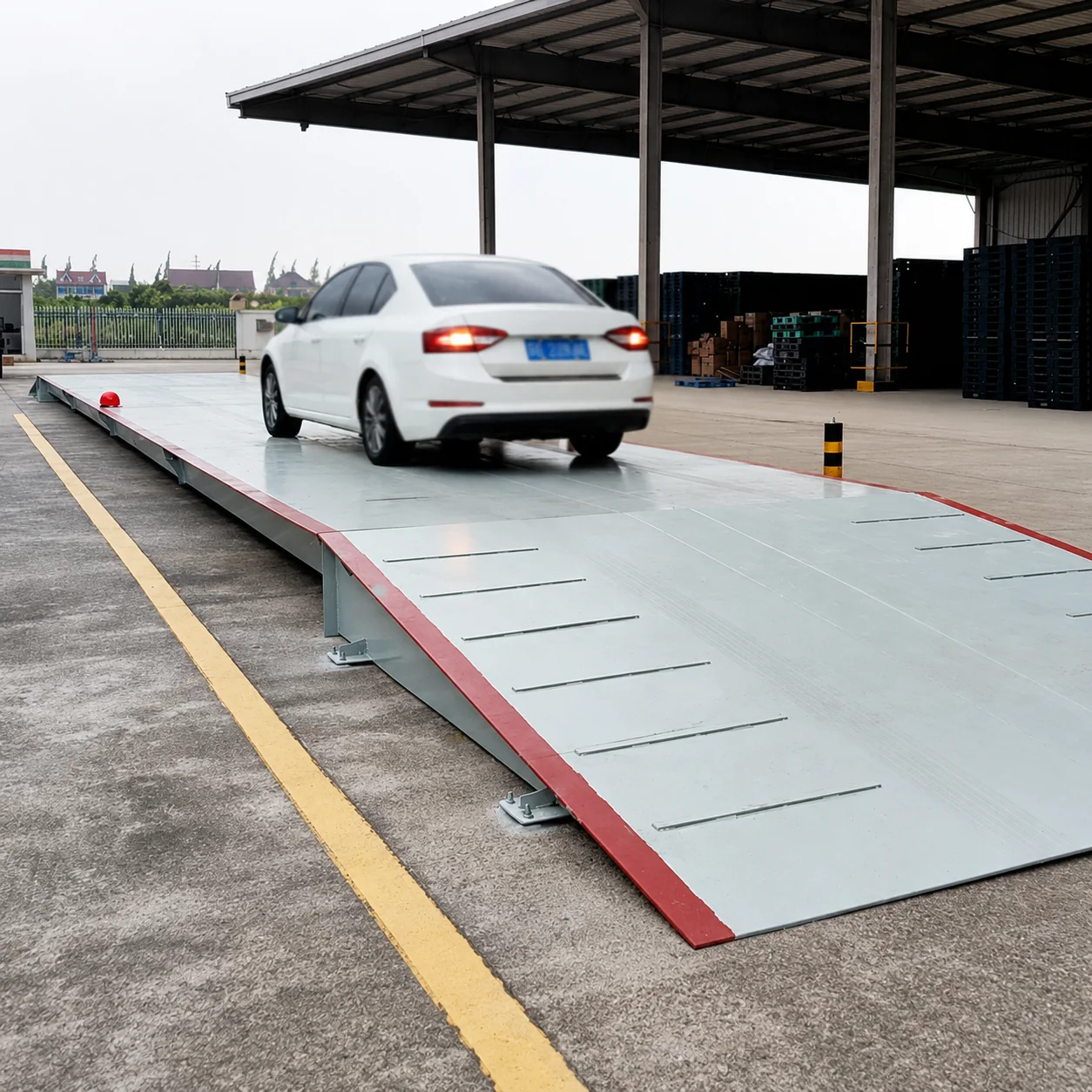 Truck Scales
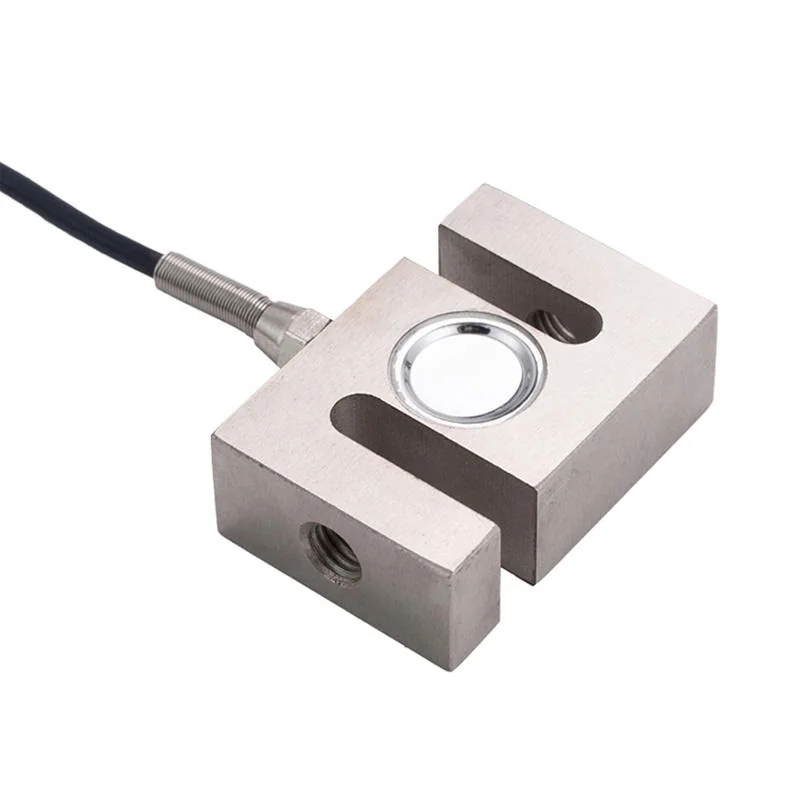 Load Cells
 Weighing Indicators
 Platform Scales