
Review the current loader scale system
Use the product record to review the listed 1–10 t capacity options and the current description of the pressure-sensor and indicator route. The final kit remains machine-specific.
Open product pageWhat a loader scale project needs to solve
A wheel loader scale brings the weighing step into the loading cycle, so an operator can view and record payload information without moving every load to a separate scale. FMSCales reviews the machine, attachment, hydraulic arrangement, operating cycle and required records before confirming the loader weighing system and quotation scope.
This category is intended for construction-equipment dealers, loader and hydraulic service companies, industrial weighing distributors and system integrators comparing loader bucket scales for customer projects. A front end loader scale must still be reviewed against the machine, attachment, hydraulics and workflow; the product page is used to confirm the exact system, capacity option and project configuration.
FMSCales provides a project quotation after the machine and workflow are reviewed. This page does not present a universal kit as suitable for every loader.
Loader Scales: Open a product page for model-specific specifications, images and configuration details.
Use the product record to review the listed 1–10 t capacity options and the current description of the pressure-sensor and indicator route. The final kit remains machine-specific.
Open product pageWork through the loader, attachment, payload, loading cycle, records and acceptance questions before asking for a configuration.
Open product pageReview how operating technique, reference loads and site conditions affect the acceptance and repeatability of an onboard weighing result.
Open product pageClarify whether results stay at the loader, move to a printer or terminal, or need to enter a dispatch, ERP or reporting workflow.
Open product page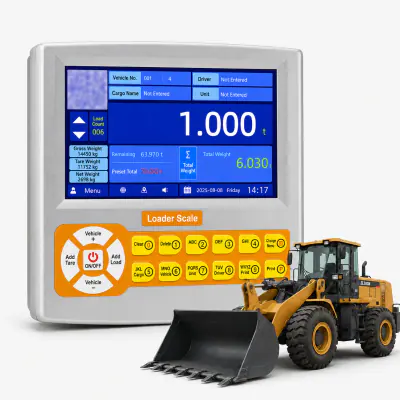 View product details
The wheel loader scale is an intelligent onboard weighing system specially designed for wheel loaders, front-end loaders, and other loading equipment. The system adopts advanced dynamic weighing technology, project-selected pressure sensors, and an intelligent weighing indicator.
The correct route depends on where the weight decision belongs and what result the operation must record.
| Route | Best suited to | Key questions before selection |
|---|---|---|
| Wheel loader scale | Payload information during a defined loader lift and loading cycle. | Loader and attachment, hydraulic arrangement, lift procedure, material, target record and field acceptance. |
| Permanent truck scale or weighbridge | Complete-vehicle transactions at a prepared fixed site. | Vehicle mix, platform, foundation, traffic flow, transaction software and local legal-use requirements. |
| Portable axle scale | Wheel, axle or axle-group checks at temporary or mobile weighing locations. | Surface, pad quantity, vehicle procedure, required result and intended use. |
Evaluate an onboard weighing step within the normal loading cycle. This can reduce unnecessary movement when the onboard result is suitable for the operation and accepted procedure.
Define the local display, accumulation and record fields required at the machine. The operator can work toward the documented loading target using the agreed display and procedure.
Collect machine, hydraulic, attachment and operating information before selecting the configuration. The quotation is tied to the actual machine rather than a broad product label.
Define the required identifiers, output format and downstream workflow before the interface is chosen. The data path can be reviewed together with the weighing hardware instead of being added as an assumption later.
The following details allow a distributor or engineering team to discuss the correct system without relying on a generic loader description.
Agree on what the operator must see and what record the business needs from each loading job.
Check the loader, attachment, hydraulics, installation space, power and environmental conditions.
Identify the proposed sensors, indicator, wiring, accessories, data route and items that remain the installer’s responsibility.
Plan the installation sequence, reference method, test loads, operator procedure and records before commissioning.
Test the configured system under agreed conditions and record settings, observations and results for future service.
These are application routes, not claims that one configuration fits every machine or site.
Review bucket loading, stockpile movement, truck targets and material totals around the site’s operating procedure.
Review the applicationDefine machine duty, material, environmental exposure, loading records and the relationship to downstream vehicle weighing.
Review the applicationConfirm whether the operation needs material, vessel, truck, shift or job totals and how those records are transferred.
Review the applicationDescribe variable materials, attachment changes, site conditions and the operational record required from each loading activity.
Review the applicationMatch the loader workflow to batch, truck or stock-movement records without treating the onboard scale as a universal replacement for a weighbridge.
Review the applicationAccuracy and suitability are evaluated for the configured system and agreed operating conditions; no universal result is promised on this category page.
FMSCales can coordinate product selection, current document requests, quotation scope and application questions for loader-scale projects. For repeat channel business, the product and accessory scope can be recorded so later orders begin from the confirmed configuration rather than a generic category name.
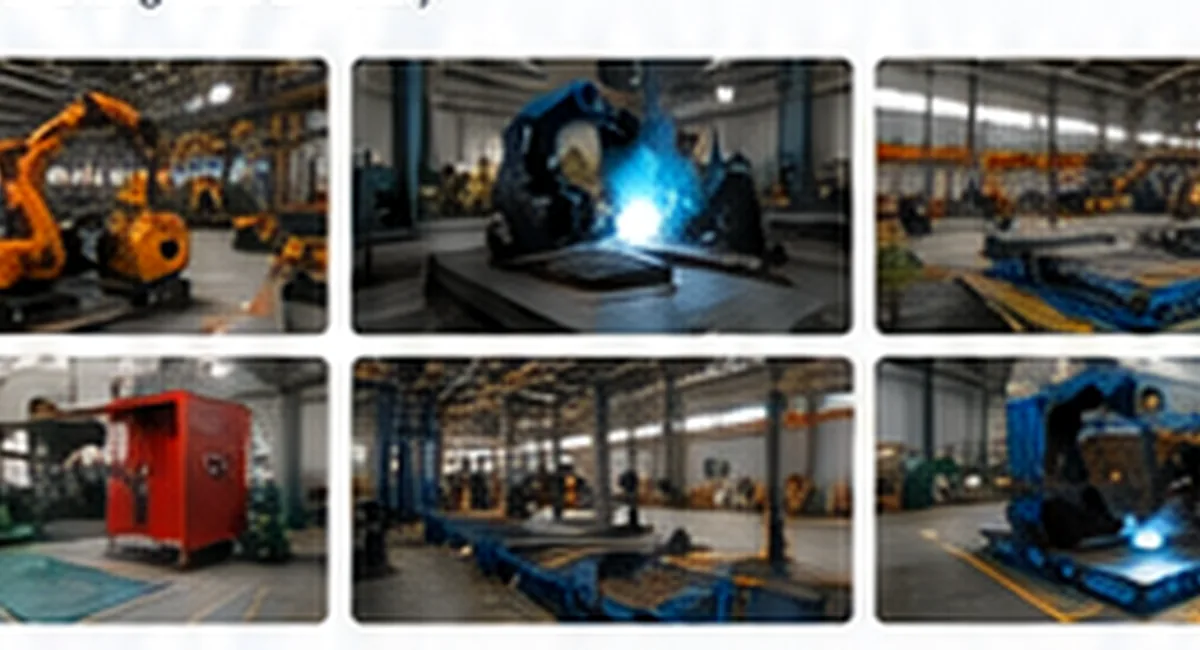
Our production environment supports fabrication, assembly and project preparation for selected industrial weighing equipment and system configurations.

Model-specific inspection, functional checks and calibration preparation help align the selected equipment, documentation and project requirements before delivery.
Ask for the current documents tied to the exact quoted configuration. Availability and revision should be confirmed before design or installation.
The wheel loader scale is an intelligent onboard weighing system specially designed for wheel loaders, front-end loaders, and other loading equipment. The system adopts advanced dynamic weighing technology, project-selected pressure sensors, and an intelligent weighing indicator.
Field media documents machine identification, hydraulic connection areas, mechanical dimensions and possible installation positions before a loader-scale configuration is confirmed.
Selection and application guides
Selection and application guides
Selection and application guides
Selection and application guides
Loader Scale Project Progress. Published purchase-stage records show how product discussions and technical coordination develop in real projects.
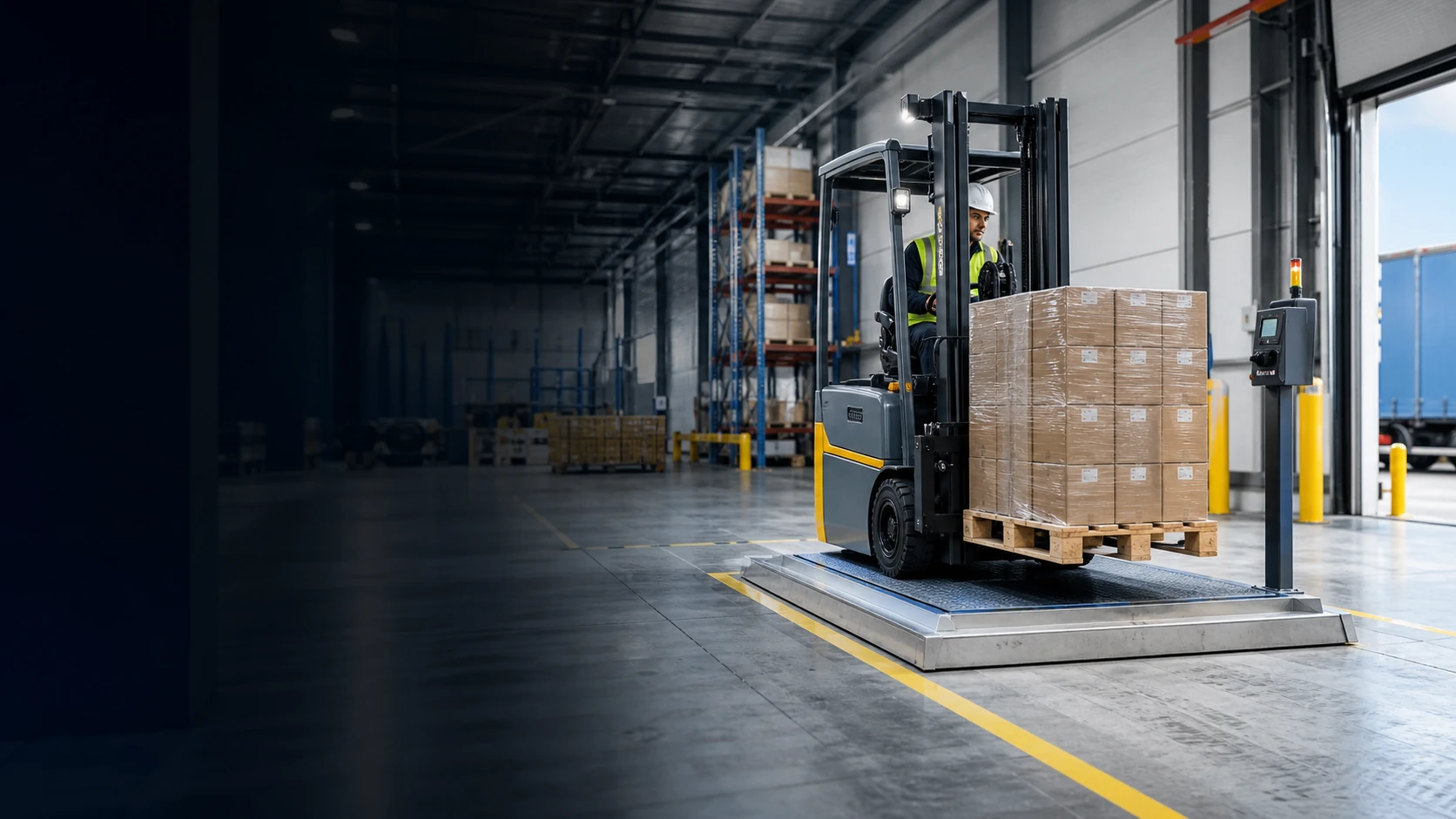
An established Indonesian weighing provider purchased forklift- and loader-scale products, with product communication and technical coordination continuing as the cooperation develops.
View project details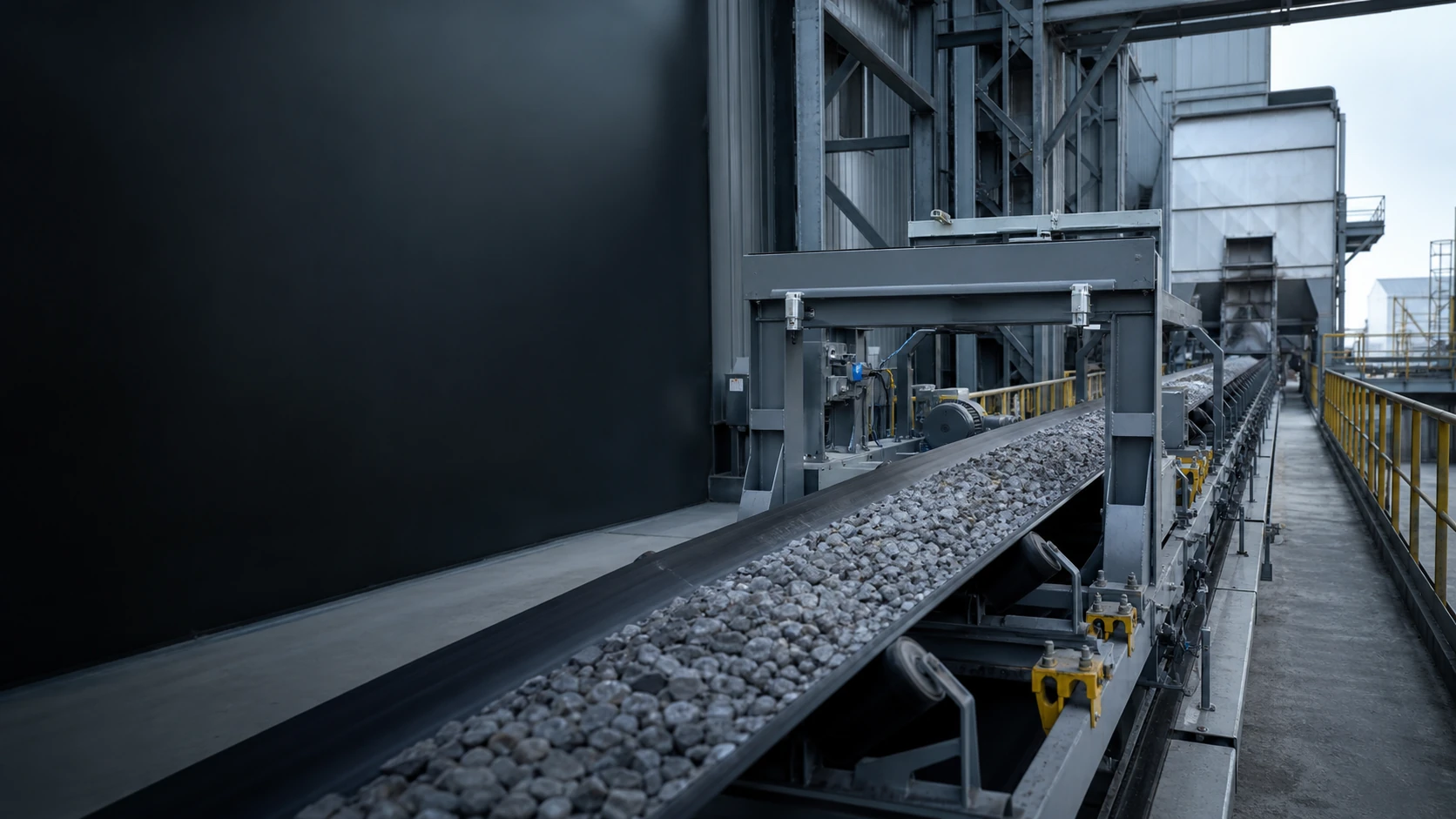
Following a belt-scale evaluation purchase, the customer and FMSCales are discussing a loader-scale requirement and the appropriate configuration.
View project detailsChannel partners can use the loader scale category to qualify an opportunity before requesting an exact configuration. Share the machine details and sales requirement early so technical questions, document needs, branding or packaging requests and repeat-order identification can be reviewed together.
No. The loader, attachment, hydraulic arrangement, installation points, power, working range and operating cycle must be reviewed before the exact system is quoted.
Send the loader make and model, data-plate and installation-area photographs, attachment, load range, material, operating cycle, required records, interfaces, quantity and destination.
Not automatically. A loader scale supports an onboard loading decision, while a weighbridge records a complete vehicle in a controlled fixed-lane transaction. The required result and intended use determine the correct route.
It is confirmed for the configured system through an agreed calibration and field test using defined loads, operating conditions and procedure. A category page cannot provide one result for every loader.
That depends on the selected indicator and data route. Define the required fields, interface, trigger, acknowledgement and offline behaviour before the configuration is confirmed.
Yes. Distributors and equipment partners can submit the machine, application, quantity, destination and branding or packaging requirements for project-specific review. Availability is confirmed in the quotation.
Pressure sensors on the lift cylinders read hydraulic pressure through the raise, and the indicator converts pressure to weight using the machine calibration, compensating for lift speed and boom angle. The operator lifts at a steady pace through the weighing zone while the system accumulates bucket weights into truck or stockpile totals.
With a level machine, smooth steady lifts and regular calibration, onboard loader scales routinely hold ±0.5–1% of bucket load; rough ground and jerky lifts widen error toward ±2%. Calibrate against a weighbridge or known test load at commissioning and after hydraulic service.
Kits are configured by machine make, model and hydraulic arrangement; pressure sensor ports, indicator bracket and wiring route differ between compact loaders and 30-ton quarry machines. Provide the loader brand, model, serial year and any attachments so the kit and calibration files match the machine.
Compare the complete kit rather than the indicator alone. Check sensors, printer or data outputs, machine compatibility, calibration support and the items included in the quotation.
Include the machine model, attachment, normal payload, material, loading cycle, required result, data interface, quantity and destination.
Share enough project detail for a useful first response. A model name alone is not sufficient to confirm an onboard weighing system.
Send your core application details. We will review the request and follow up by email or Tel / WhatsApp.