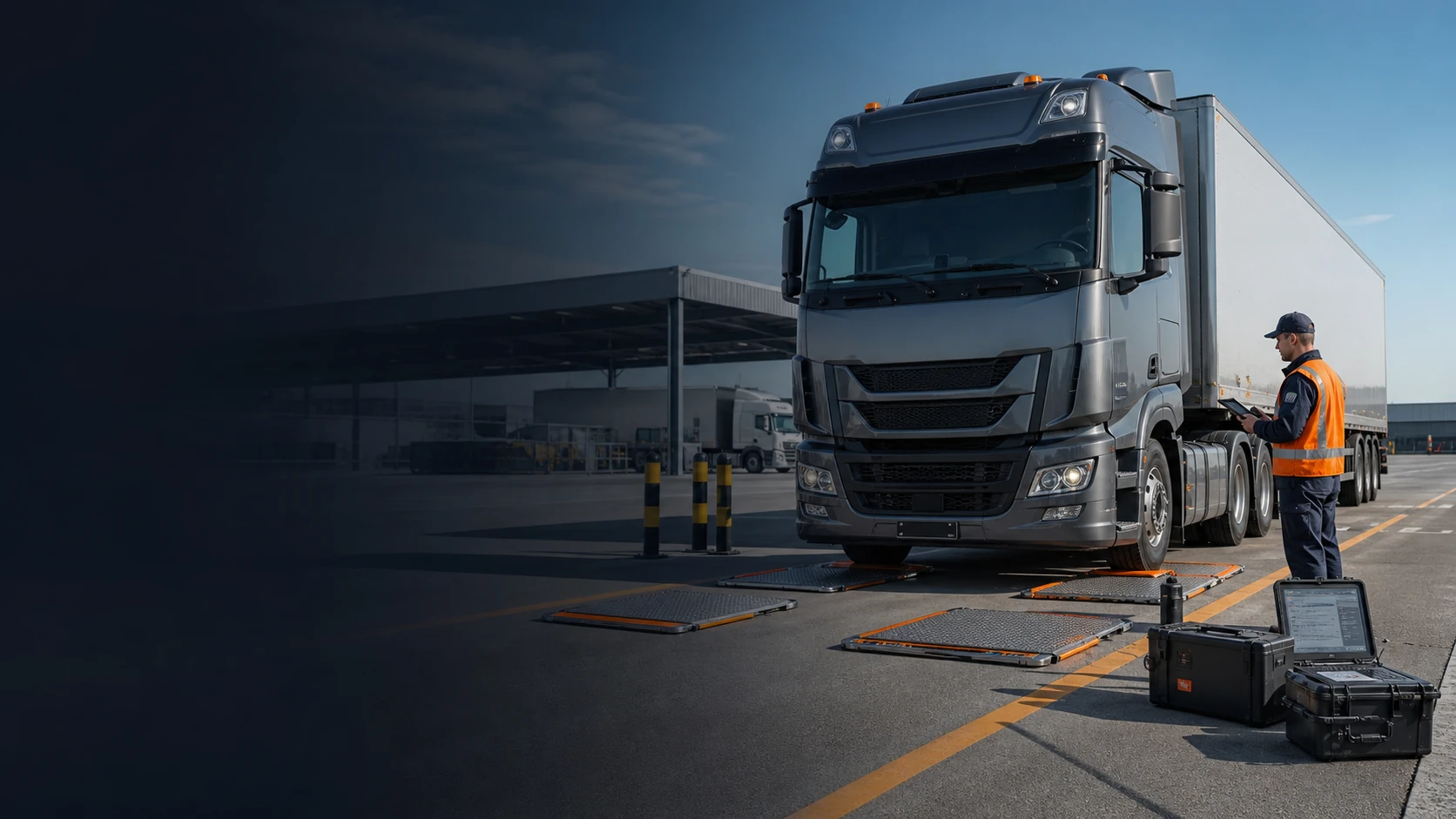
Choose static axle weighing when vehicles can stop in a controlled position and operators need a deliberate check. Choose a low-speed weigh-in-motion scale when continuous flow is important and the site can control approach, speed, alignment, invalid runs and verification. Neither method is automatically legal for enforcement.
1. Compare the operating method first
The choice is not simply “slow versus fast”. Static weighing and low-speed WIM use different vehicle behaviour and create different sources of uncertainty.
| Decision area | Static axle weighing | Low-speed WIM |
|---|---|---|
| Vehicle movement | Stops in a defined position | Travels through the lane within a controlled speed range |
| Site demand | Level support and controlled positioning | Designed approaches, alignment and stable motion |
| Throughput | Lower; operator sequence is deliberate | Higher when traffic and lane controls are suitable |
| Typical strength | Simple check and easier repeat testing | Reduced stopping and better traffic flow |
| Main risk | Poor levelling or axle positioning | Speed, acceleration, lane and dynamic effects |
2. Choose static when control matters more than flow
Static weighing suits depots, workshops and mobile checks where a vehicle can pause and an operator can confirm pad position. It still requires a level arrangement and a documented sequence.
3. Choose low-speed WIM only with a controlled lane
An in-motion axle scale depends on the vehicle passing through a controlled weighing area. The approach, speed range, steering, acceleration, alignment and lane condition must be part of the design. A portable product placed on an unsuitable road does not become a reliable WIM system.
4. Compare complete records
Both methods should identify the vehicle, axle sequence, individual values, gross result, time, site, operator or lane and any invalid-run flag. Decide how a reweigh is triggered and stored.
5. Define invalid-run and retest rules
A result should not be accepted merely because a number was displayed. Define how the system or operator handles speed outside the configured range, poor wheel tracking, braking or acceleration, an incomplete axle sequence, unstable communication and a failed reference check.
- Conditions that invalidate a pass
- Driver and operator instruction after an invalid pass
- Unique record ID and retest linkage
- Reference-vehicle or comparison-test schedule
- Responsibility for reviewing exceptions
6. Confirm legal and acceptance boundaries
Ask for the exact model approval, use case, jurisdiction and verification procedure. A standard is a reference framework; it is not evidence that an unlisted configuration is approved.
Decision guidance
Static is usually easier to explain and repeat at a low-throughput site. Low-speed WIM can reduce stops, but it needs a designed lane, disciplined vehicle movement and stronger commissioning controls.
Accuracy class, approval, tolerances and enforcement acceptance are model- and jurisdiction-specific. Confirm them with the importer and competent authority.
References
The following official and first-party sources support the bounded examples, standards context and evaluation methods used in this guide. They do not verify an FMSCales configuration.
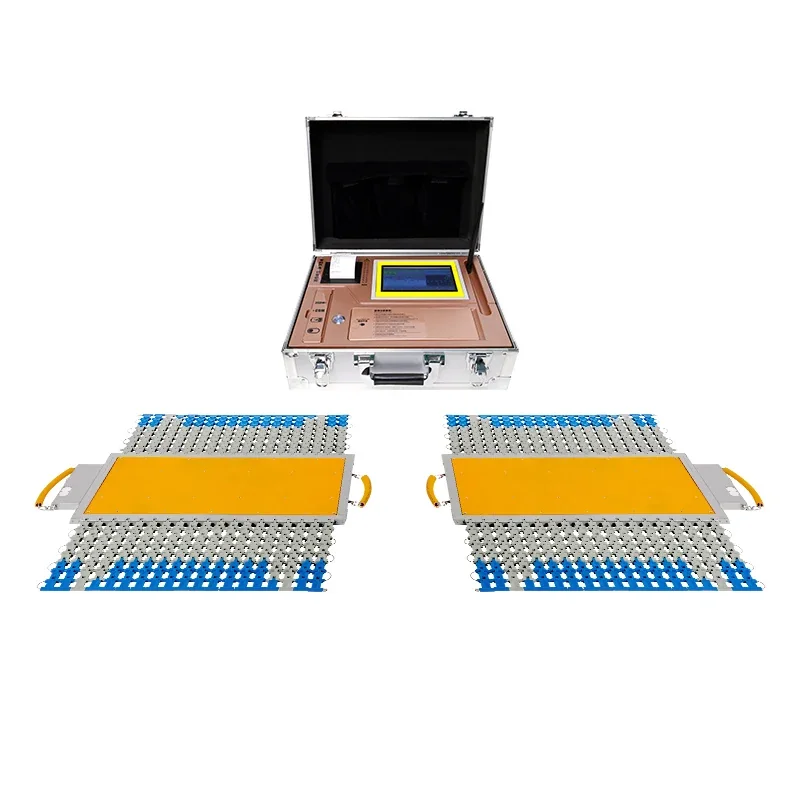 Portable Axle Scales
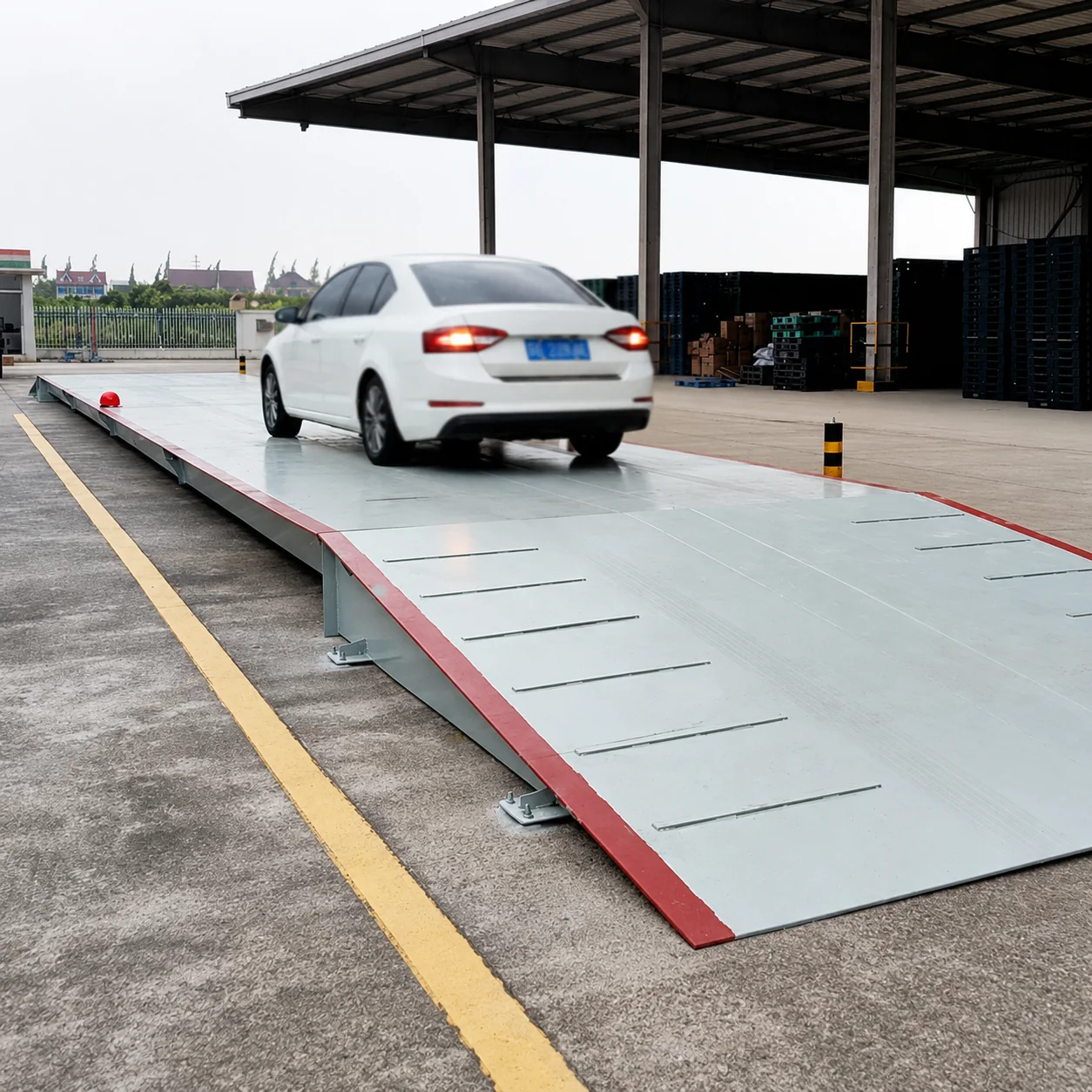 Truck Scales
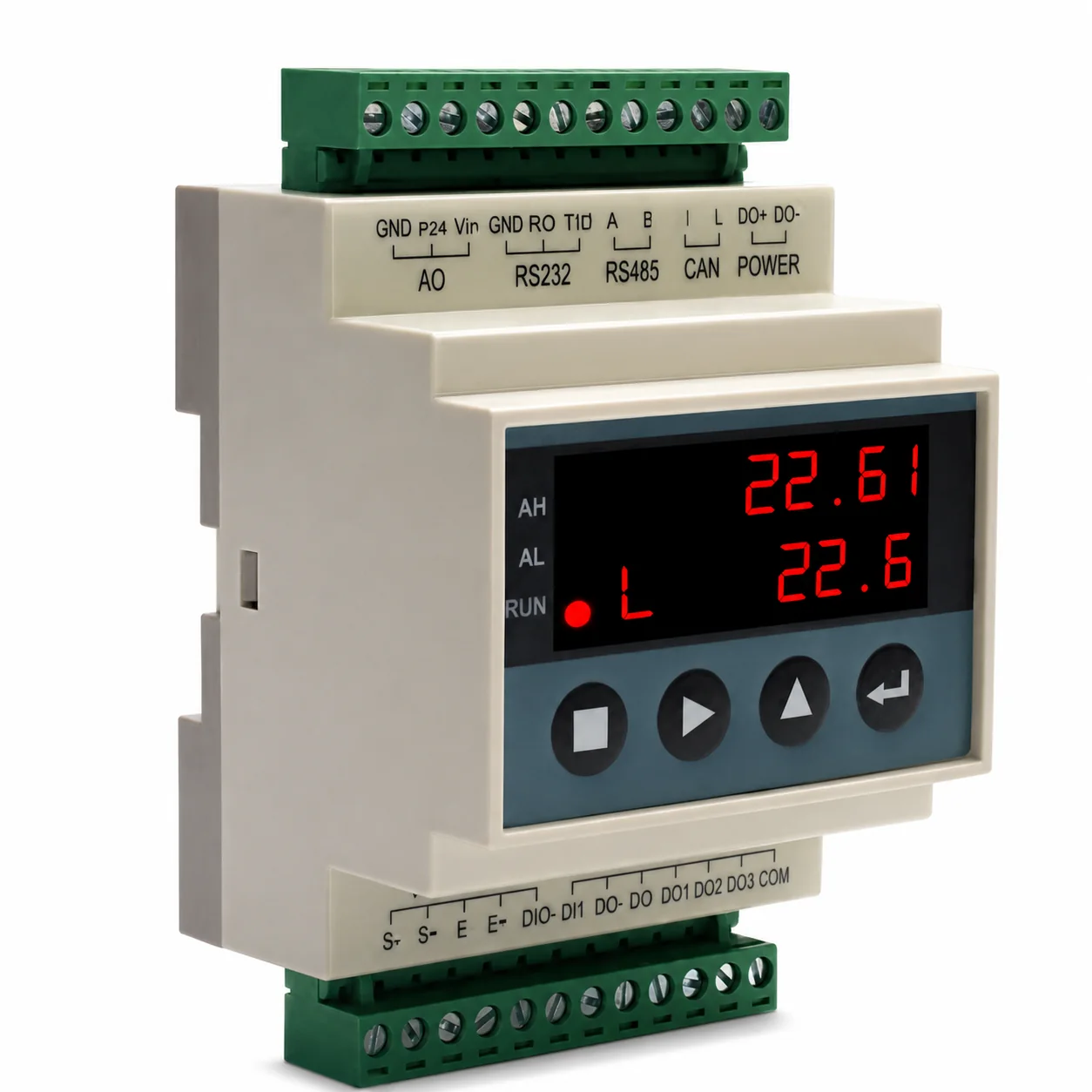 Weighing Indicators
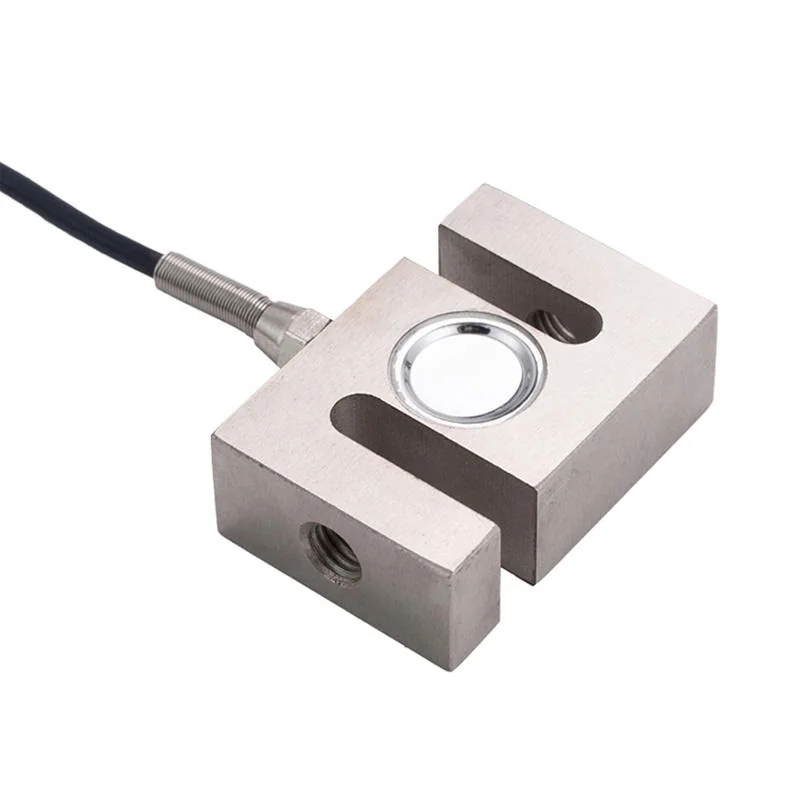 Load Cells