
Select portable axle scales from the heaviest expected wheel load, the number of wheels weighed at once and the required decision. A complete system includes suitable pads, levelling or ramps, an indicator, power, transport protection and a written vehicle-weighing procedure.
1. Calculate the load at each pad
Gross vehicle weight is not enough for pad sizing. Use the worst credible wheel load, including uneven loading and axle-group distribution, then review overload protection with the supplier.
- Maximum single wheel load
- Single or dual tyres
- Maximum axle and axle-group load
- Vehicle length and wheelbase range
- Any abnormal or off-centre loading
2. Choose the pad layout with the procedure
Two pads may support sequential wheel or axle checks; more pads can capture multiple wheels simultaneously. The pad count changes the driving sequence, setup time and way gross weight is calculated.
| Layout question | Why it changes the system |
|---|---|
| How many wheels are on one axle? | Determines simultaneous support and pad quantity |
| Will the vehicle stop or move? | Changes the measurement method and site controls |
| Must all axles remain level? | May require dummy pads, levelling mats or a prepared lane |
| Will sites change? | Adds transport, setup and site-approval requirements |
3. Approve the weighing surface
A firm, level and repeatable surface is part of the measurement system. Document allowable slope, approach length, pad recess or ramp arrangement and vehicle alignment. Soft ground and improvised ramps can invalidate a comparison.
4. Specify the record before the printer
List the vehicle ID, axle values, gross value, time, site, operator and approval status required by the buyer. Then choose local printing, file export or software integration.
5. Run a controlled acceptance trial
Test representative vehicles, repeat the same sequence and compare against an agreed reference method. Record site conditions and do not generalise the result beyond the tested configuration.
Decision guidance
Use static weighing when the vehicle can stop in a controlled position and the priority is a deliberate axle-by-axle check. Consider low-speed weigh-in-motion only when vehicle flow matters and the site can control approach, speed, alignment and system verification.
Axle and gross-weight rules, type approval and enforcement use vary by jurisdiction. The importer or responsible authority must confirm the exact instrument and procedure before regulated use.
Approve the method before choosing pad quantity
Before buyers buy axle scales, they should define the wheel, axle, axle-group or gross result required and write the vehicle procedure. Pad quantity, levelling equipment, ramps, indicator, transport protection and reporting must then support that procedure at every approved site.
- Size each pad from the maximum credible wheel load, not gross weight alone
- Document tyre arrangement, axle spacing and whether wheels are weighed simultaneously
- Approve the surface, levelling, approach and vehicle alignment
- Specify invalid-run rules, records and reference checks before routine use
Buyer-task questions
Are two pads enough for every vehicle?
Not necessarily. The number of pads depends on tyre arrangement, the required result, whether wheels or axles are supported simultaneously and the approved operating procedure.
Can portable pads be used on any hard surface?
No. The surface, level, support, approaches, ramps and alignment form part of the measurement setup and must meet the documented procedure.
References
The following official and first-party sources support the bounded examples, standards context and evaluation methods used in this guide. They do not verify an FMSCales configuration.
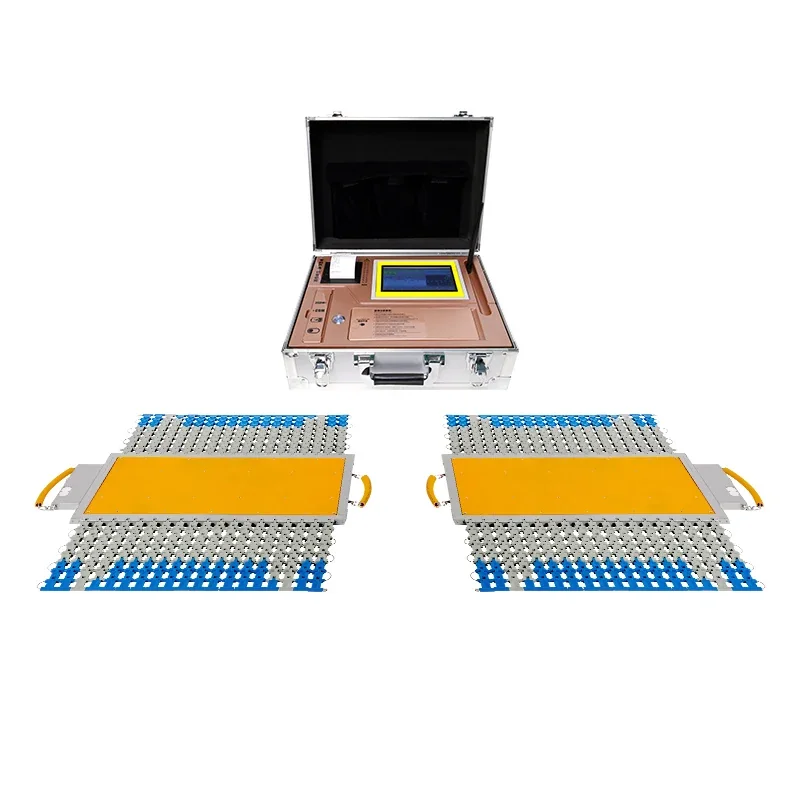 Portable Axle Scales
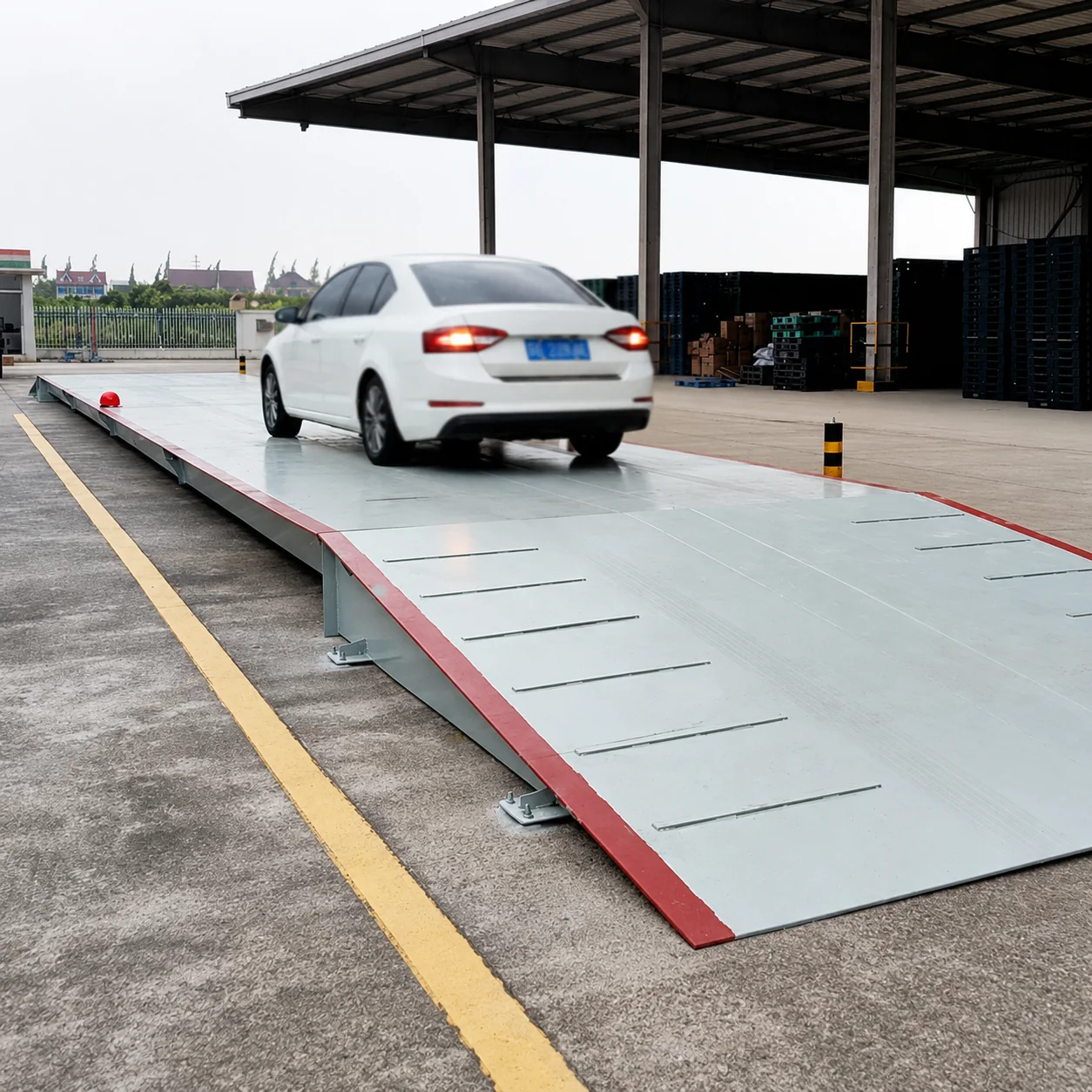 Truck Scales
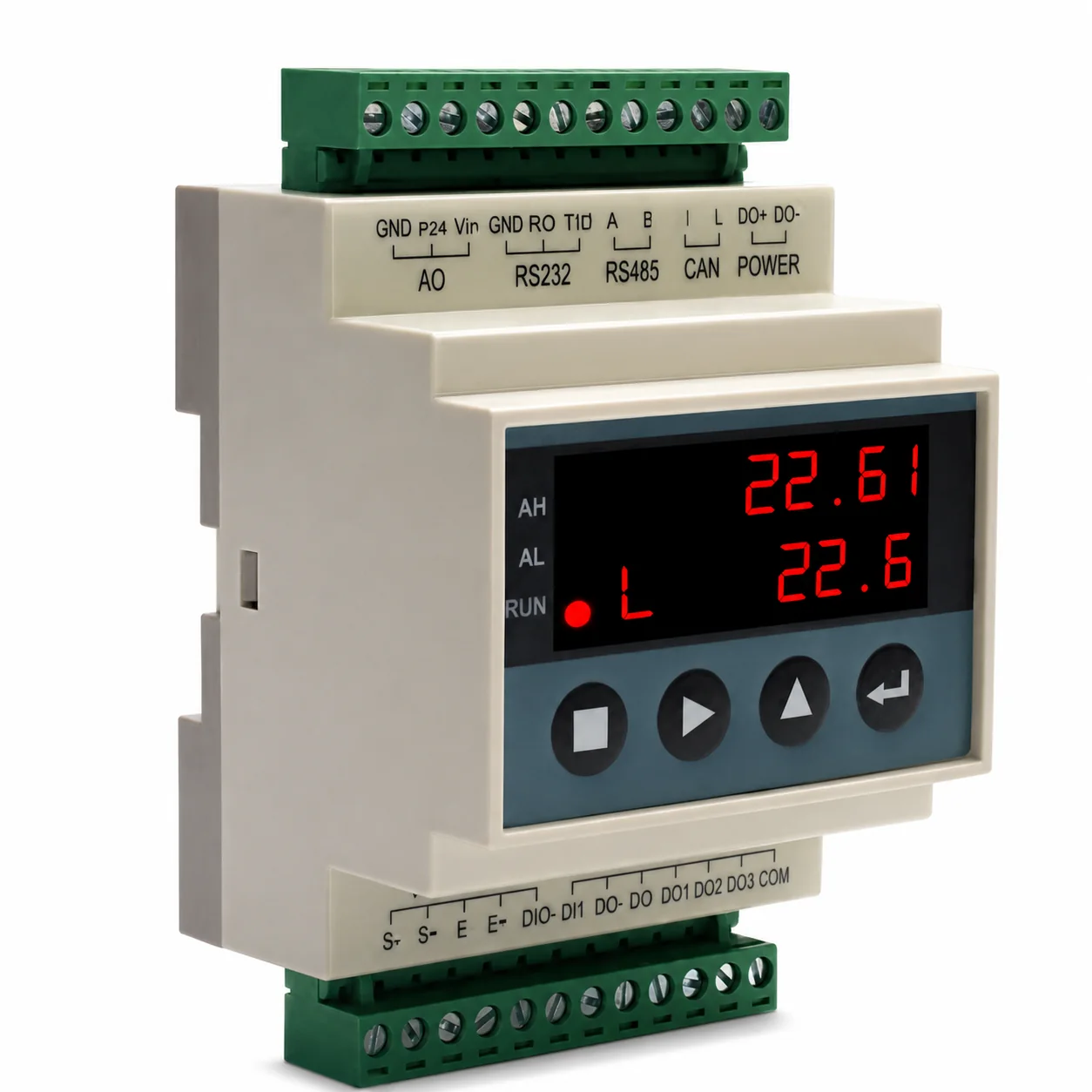 Weighing Indicators
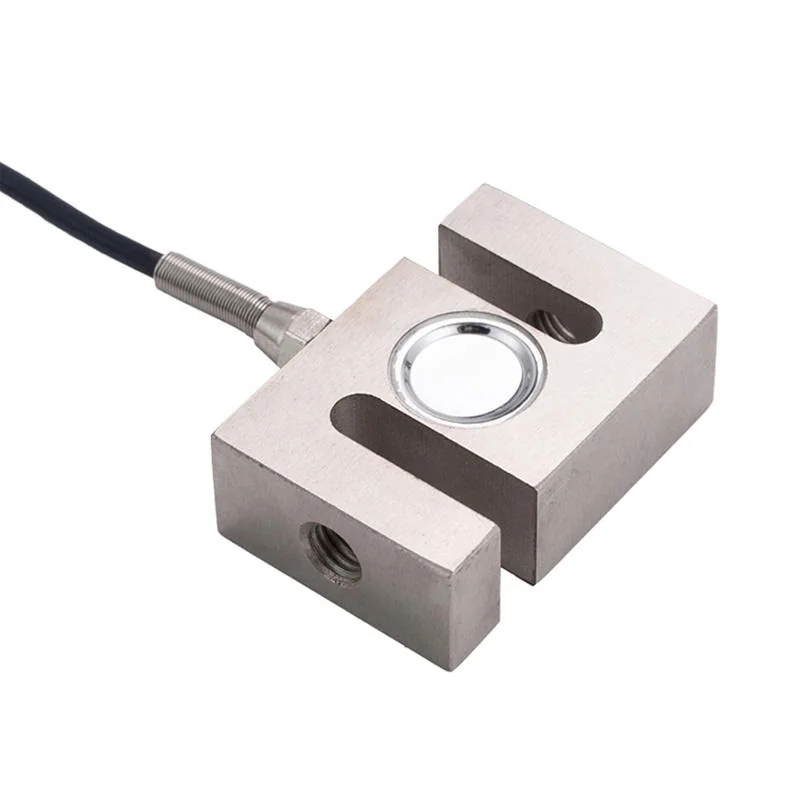 Load Cells