
Compare five current platform-scale options
Review the current digital platform, heavy-duty bench, stainless-platform, hazardous-area-review and steel bench or platform routes before choosing an exact model.
Open product pageWhat a platform scale project needs to define
Platform scales create a defined stationary weighing point for cartons, parcels, materials, parts and other industrial loads. Compare five current options spanning bench, steel-platform, stainless-platform and exact-model hazardous-area review routes. Select the scale from the real load, platform access, dimensions, environment, indicator, data and verification requirements rather than from capacity alone.
This range helps industrial scale distributors, factories, warehouses, workshops, laboratories, logistics operators and project integrators compare a fixed bench, floor or platform weighing point. Review the available configurations by load size, access, material, platform dimensions, environment, indicator and data needs, then open the closest option for model-specific details.
A useful quotation identifies the load, platform access, environment, indicator, record and acceptance route. No one capacity or material description establishes suitability for every site.
Platform Scales: Open a product page for model-specific specifications, images and configuration details.
Review the current digital platform, heavy-duty bench, stainless-platform, hazardous-area-review and steel bench or platform routes before choosing an exact model.
Open product pageUse the selection guide to define the load path, dimensions, access, environment, indicator, data and verification plan.
Open product pageRecord the decision, load, site, workflow, documents, responsibilities and acceptance conditions before comparing quotations.
Open product pageChoose whether the weight decision belongs at a controlled stationary point or inside the pallet-handling movement.
Open product page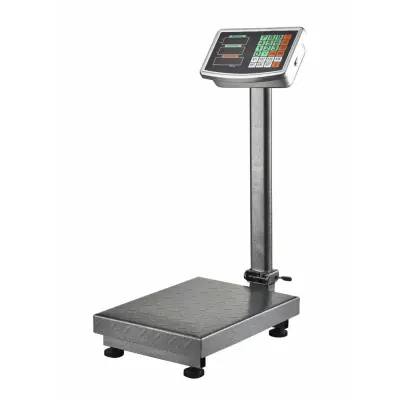 View product details
Digital Platform Scale for Warehouse, Factory, Market and Commercial Weighing Applications.
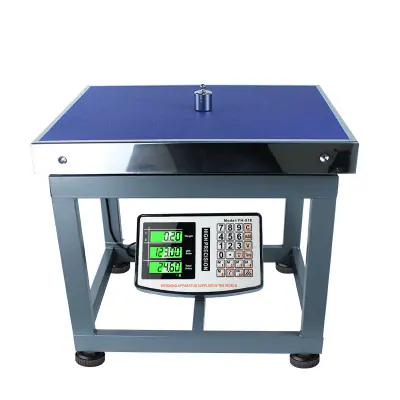 View product details
Heavy Duty Bench Scale for Industrial, Warehouse and Laboratory Weighing Applications.
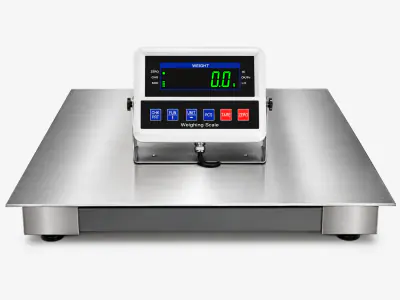 View product details
Stainless Steel Platform Scale for Food, Warehouse and Industrial Weighing Applications.
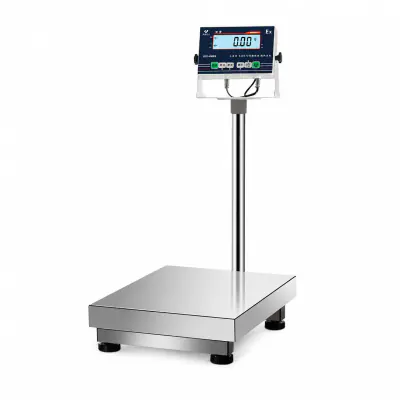 View product details
A stainless steel platform-scale configuration that requires exact model certification and site-classification review before hazardous-area use.
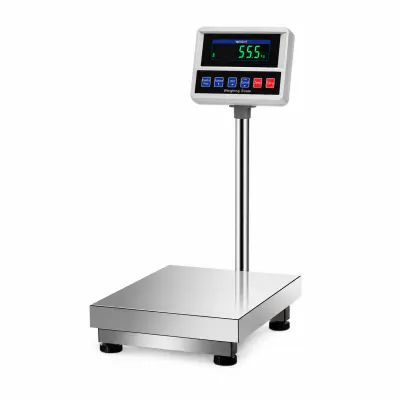 View product details
Steel digital bench or platform scale route with a listed 100 kg capacity option for general industrial weighing.
The current product options provide useful starting points, not interchangeable guarantees. Final capacity, graduation, platform dimensions, indicator, environment and included scope remain exact-model and quotation questions.
| Route | Best suited to review | Confirm before quotation |
|---|---|---|
| Digital Platform Scale | A general stationary platform route for warehouse, factory, market or commercial weighing; the current record lists a 150 kg capacity option. | Load dimensions and range, platform size, loading access, graduation, indicator, power, environment and intended record. |
| Bench and compact steel routes | Smaller items or work areas where a bench or compact platform format is the starting point; current records list 150 kg and 100 kg options on separate products. | Exact product, usable platform, load position, capacity and graduation, indicator location, work height and surrounding process. |
| Stainless Steel Platform Scale | Projects reviewing a stainless platform surface and low-profile loading route; the current record lists a 1 t capacity option. | Exact stainless scope, cleaning and corrosion exposure, platform dimensions, access, indicator enclosure, installation and verification. |
| Hazardous-area review route | A classified site that requires an exact stainless platform, indicator, load-cell and complete-system evidence review before selection. | Site classification, gas or dust details, zone or division, complete marking and certificate scope, installation conditions, responsible parties and local acceptance. |
Document the load dimensions, centre of gravity, tare, impact, platform access and normal operating range. The quotation can address the actual load path instead of only a headline capacity.
Place the weighing point against the receiving, production, packing or dispatch movement and available space. The proposed format can be reviewed with the operator movement and site layout.
Confirm the exact material, enclosure, cleaning exposure, site classification, complete-system marking and installation conditions. Environmental and classified-area questions remain tied to model evidence rather than appearance.
Define the accepted weight event, identifiers, output fields, indicator role and host-system behaviour in the RFQ. The weighing hardware and record workflow can be evaluated as one project.
A product name and capacity are not enough to define the load receptor, operator workflow or accepted result.
State what will be weighed, where the result is used and which operator or system owns the accepted record.
Record loads, dimensions, access, floor and space conditions, environment, utilities and the surrounding material flow.
Compare the current platform-scale options, then confirm platform, indicator, load-cell route, accessories, power, data and document requirements.
Follow the exact-model instructions and assigned site responsibilities for positioning, levelling, load introduction, cabling and configuration.
Verify reference loads, loading positions, operator actions, records and fault responses against the agreed acceptance plan before routine use.
The operating task helps identify the format, but the exact load, access, environment and record still control selection.
Review cartons, parcels, pallets or materials at a defined checkpoint together with access, identification and dispatch records.
Review the applicationDefine batch, component or finished-goods loads, operator prompts, tare handling and any connection to production records.
Review the applicationMatch bench height, platform size, parts handling, display visibility, traceability and reference checks to the inspection task.
Review the applicationDescribe product contact, cleaning, moisture, corrosion and local hygiene requirements; stainless appearance alone does not establish suitability.
Review the applicationStart with the documented site classification and review the exact platform, load cells, indicator, accessories, marking and installation as one system.
Review the applicationA category description, stainless surface, listed capacity or displayed division does not establish installed accuracy, hygienic suitability, hazardous-area approval or Legal-for-Trade status. Each conclusion requires exact-system evidence and a defined acceptance route.
FMSCales can help industrial buyers and weighing partners compare five current platform-scale options, organise application information, identify open configuration questions and request current product documents. The resulting quotation can identify the selected platform, indicator, accessories, data route and responsibilities instead of relying on a broad family description.
Our production environment supports fabrication, assembly and project preparation for selected industrial weighing equipment and system configurations.
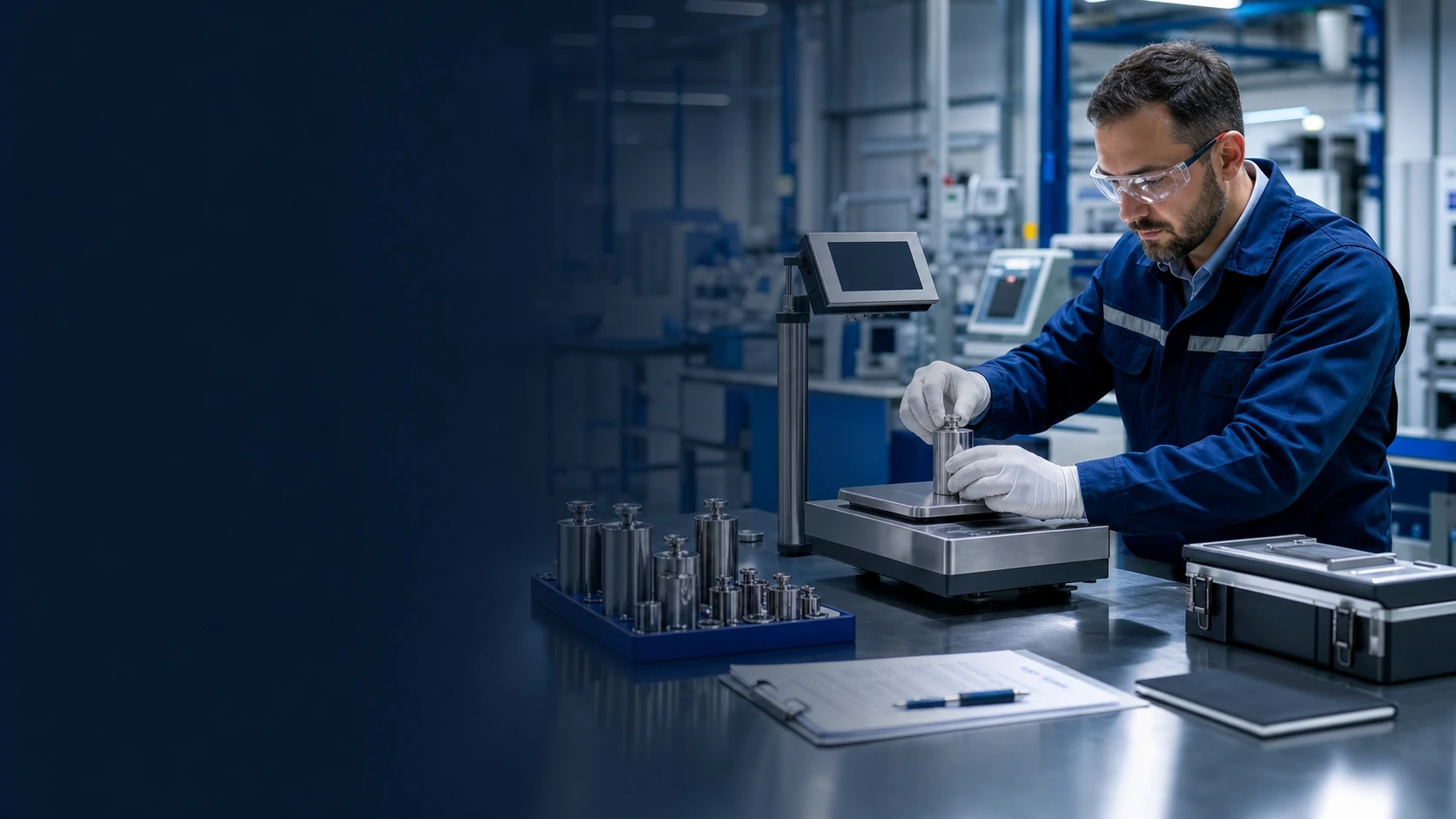
Model-specific inspection, functional checks and calibration preparation help align the selected equipment, documentation and project requirements before delivery.
Request current documents tied to the exact platform, load-cell, indicator and accessory configuration. Availability, revision and destination scope must be confirmed before design, installation or regulated use.
Digital Platform Scale for Warehouse, Factory, Market and Commercial Weighing Applications.
Heavy Duty Bench Scale for Industrial, Warehouse and Laboratory Weighing Applications.
Stainless Steel Platform Scale for Food, Warehouse and Industrial Weighing Applications.
A stainless steel platform-scale configuration that requires exact model certification and site-classification review before hazardous-area use.
Steel digital bench or platform scale route with a listed 100 kg capacity option for general industrial weighing.
Selection and application guides
Selection and application guides
Selection and application guides
Selection and application guides
Channel partners can qualify a platform-scale opportunity with one load-and-site questionnaire, compare the current product routes and record the exact model, indicator, accessories, documents and acceptance responsibilities for the end customer.
The terms describe different physical and workflow starting points, but naming varies. Confirm the usable platform, installation height, access, load range, indicator and exact product rather than selecting from the label alone.
Start with the load, dimensions, access and environment. The current records cover general digital platform, heavy-duty bench, stainless-platform, hazardous-area-review and steel bench or platform routes with different listed options.
No. Capacity, graduation, error under stated conditions and acceptance limits are different values. Confirm the exact model, indicator, configuration and test method in the quotation.
No. Confirm the exact stainless scope, enclosure, ingress protection evidence, cleaning method, chemicals, drainage and local hygiene requirements for the complete system.
That cannot be inferred from the category or product name. Provide the site classification and request the exact platform, load-cell, indicator, marking, certificate scope and installation conditions for review.
That depends on the quoted indicator and options. Define the required fields, interface, protocol, trigger, invalid states, acknowledgement and record ownership before selection.
Send the item and load range, dimensions, loading method, preferred platform format, site photographs, environment, indicator and data needs, intended use, quantity, destination and acceptance requirements.
A 1.2×1.2 m or 1.5×1.5 m deck handles EUR and ISO pallets with margin for off-centre placement; choose 2×2 m for double-pallet or cage loads. Keep the load within the central two-thirds of the deck and confirm ramp width for pallet-truck entry.
With quality load cells and a level, rigid foundation, floor scales routinely verify to 1 part in 3,000 to 6,000 of capacity under OIML class III practice—about 0.5 kg on a 3 t scale. Installed performance depends on the deck, foundation, indicator and calibration, so confirm the verification method for regulated use.
Pit frames give flush, trip-free access where civil work is allowed; low-profile decks of 35–60 mm height need only short ramps and can move with the site; raised decks clean down fastest and suit portable or multi-station work. Decide from the handling route, floor ownership, cleaning and drainage before comparing deck prices.
A pallet scale is a platform scale specified around pallet handling: deck sizes matched to EUR or ISO pallets, access for pallet trucks and a capacity band typical for palletised goods. Platform scale is the broader category that also covers benches, drums, machinery and oversized items.
For EUR or ISO pallets loaded with typical industrial goods, 1,500 kg covers light to medium pallets and 3,000 kg covers dense or fully loaded pallets with margin. Add roughly 25 percent headroom over the heaviest routine pallet so the scale is not worked at its limit every day.
Low-profile pallet scales with ramps can be repositioned by pallet truck or forklift when the floor is level and the indicator connection allows it. Pit-mounted frames are fixed installations. State the intended working positions in the enquiry so levelling, cabling and verification arrangements stay valid after each move.
Include the item, load range and dimensions, bench or floor route, loading method, environment, indicator and data needs, intended use, quantity, destination and requested documents.
Share the operating facts needed to compare the current platform-scale options and define a useful quotation scope.
Send your core application details. We will review the request and follow up by email or Tel / WhatsApp.