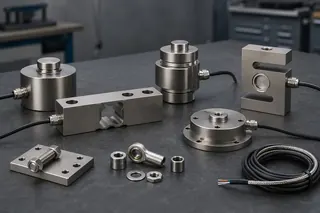
Choose an industrial platform or floor scale from the item being weighed, minimum and maximum operating loads, platform dimensions, loading method, traffic, environment and required record. Then confirm the complete configuration: structure, load cells, indicator, ramps or pit, cables, power, options and acceptance test. Capacity and display division alone do not establish platform scale accuracy or suitability for the site.
1. Separate the scale category from the working configuration
The types of platform scales are best understood by how the load reaches the receptor and how the installation is maintained. A bench unit at a packing station, a low-profile floor platform with ramps, a pit-mounted platform and a washdown unit may all use a platform-shaped receptor while solving different workflow and environmental problems.
Do not assume that a product name confirms deck material, dimensions, capacity, division, ingress protection or legal-use status. Build a comparison matrix from the exact quoted model and options.
| Configuration | Useful when | Main review |
|---|---|---|
| Bench or workstation scale | Smaller items are handled at a fixed work position | Load dimensions, ergonomics, indicator location and cleaning |
| Low-profile floor scale | Pallets or containers need floor-level access | Ramps, turning space, edge loading, floor condition and traffic |
| Pit-mounted platform | A flush route is required | Civil dimensions, drainage, clearance, access and corrosion control |
| Washdown-oriented platform | Cleaning water or process residue is expected | Exact materials, enclosure, cable entries, drainage and cleaning method |
2. Choosing bench vs floor scales for industrial use
The decision begins with the handling path. A bench unit places the weighing point at a workstation and suits items that can be lifted or conveyed safely onto the receptor. A floor scale accepts larger loads at floor level but needs adequate approach space, a suitable surface and protection from impacts or binding.
Map the current movement before selecting hardware. Record where the load arrives, which equipment handles it, who acts on the result, whether a queue is acceptable and how rejected or unstable loads leave the station.
3. Define the load envelope instead of quoting capacity alone
Provide minimum, normal and maximum operating loads, tare or container weight, dimensions, centre-of-gravity range and loading frequency. Include off-centre placement, rolling loads, pallet feet, wheels, impacts and any load that may bridge the platform or contact a surrounding structure.
The supplier should identify the platform structure, load-cell arrangement and overload protection proposed for those conditions. Do not convert a gross load directly into a sensor capacity without reviewing load sharing, dead load, mounting freedom and abnormal events.
- Minimum result that must influence a decision
- Normal and maximum load with dimensions
- Static placement, rolling access or forklift loading
- Expected cycles per shift and impact risk
- Required unit, division and record fields
4. Treat ramps, pits, floors and clearances as part of the system
A platform can bind against debris, a pit wall, a ramp or a cable and still display a plausible number. Confirm level support, freedom of movement, drainage, access for cleaning, cable protection and a route for safe inspection. If vehicles or pallet trucks cross the platform, include approach geometry and traffic protection.
For a pit, assign civil dimensions, tolerances, drainage, covers and maintenance access. For a surface installation, define ramps, anchoring, turning space and trip or collision controls. The equipment supplier and civil contractor should work from the same approved drawing.
5. Match the environment and record before choosing options
Describe dust, water, cleaning chemicals, corrosion, condensation, temperature, vibration and nearby electrical equipment. Request exact material and enclosure evidence for the quoted platform, junction hardware, indicator, connectors and cables; one enclosure rating does not describe the complete installation.
Define the accepted record separately. A stable display may be enough for an internal check, while inventory or dispatch may require item, pallet, operator, order, gross, tare, net, unit, time, status and correction fields.
6. Write the acceptance test before ordering
Agree the reference, test loads, loading positions, repetitions, environmental conditions and allowable result. Include zero return, repeat loading, corner or relevant platform positions, tare, overload indication and required data outputs. The procedure must match the intended use and competent local requirements.
Do not infer legal-for-trade status from CE marking, a load-cell certificate or another model. Confirm the exact complete instrument, certificate scope, software, installation, verification and jurisdiction before making a regulated-use commitment.
7. Send a configuration pack that suppliers can compare
Attach load and dimension data, handling-route photographs, site or pit drawings, environmental notes, indicator and record requirements, intended use and an acceptance table. Ask each bidder to identify included equipment, options, buyer-supplied work, deviations and documents.
A comparable quotation should separate the platform, indicator, junction hardware, ramps or pit items, cables, installation, reference testing, legal verification where applicable, integration, freight and recurring services.
Decision guidance
Use a bench scale for smaller loads at a controlled workstation, a floor scale for loads handled at floor level, and another platform configuration only when its dimensions, access and installed load path fit the real workflow.
No generic category name establishes an accuracy class, enclosure rating, legal-for-trade status, pallet suitability or washdown capability. Confirm every claimed field for the exact model and complete installation.
Frequently asked questions
Which platform-scale configurations should an industrial buyer compare?
Compare only configurations that fit the load dimensions, handling route, environment and required operating range. Common names include bench, floor, low-profile, pit-mounted and washdown configurations, but exact construction and options remain model-specific.
Is a larger platform always the safer choice?
No. The platform must support the intended load and access route without creating edge loading, unstable handling, floor interference or an unsuitable traffic pattern. Structural and installation review is required.
Does a smaller display division prove better installed accuracy?
No. Display division is one characteristic. Installed performance also depends on structure, load introduction, loading position, environment, configuration, procedure and the agreed reference test.
When should a buyer choose a floor scale instead of forklift weighing?
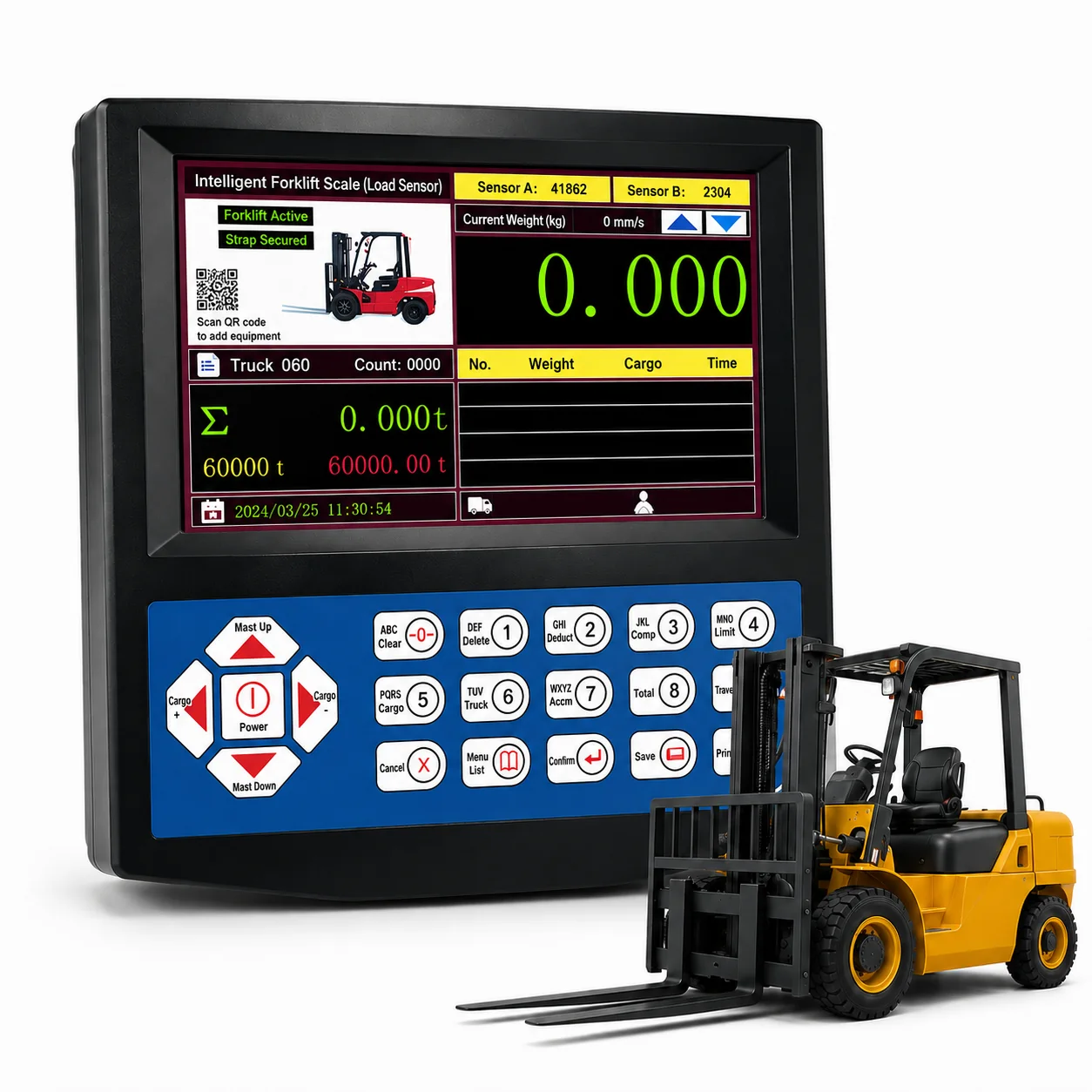
Use a floor scale when a controlled stationary checkpoint fits the workflow and is easier to supervise and verify. Use forklift weighing when the decision must occur during movement and the exact truck route can be approved.
References
The following official and first-party sources support the bounded examples, standards context and evaluation methods used in this guide. They do not verify an FMSCales configuration.
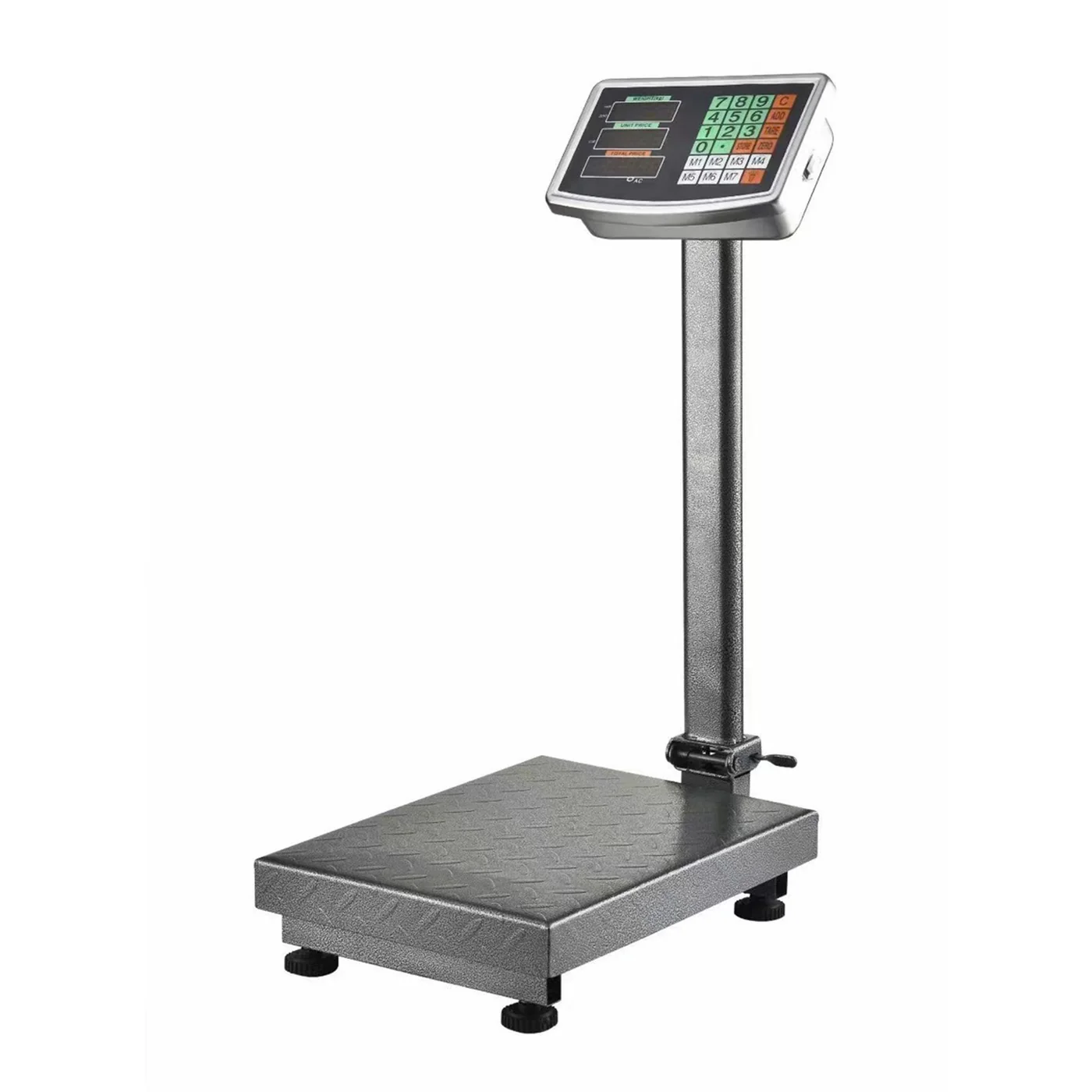 Platform Scales
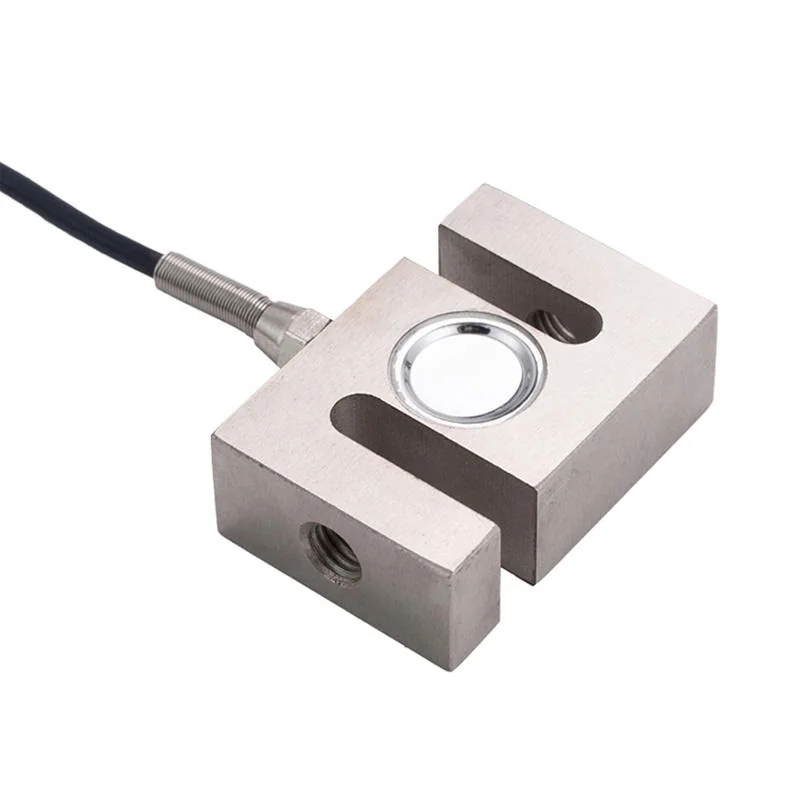 Load Cells
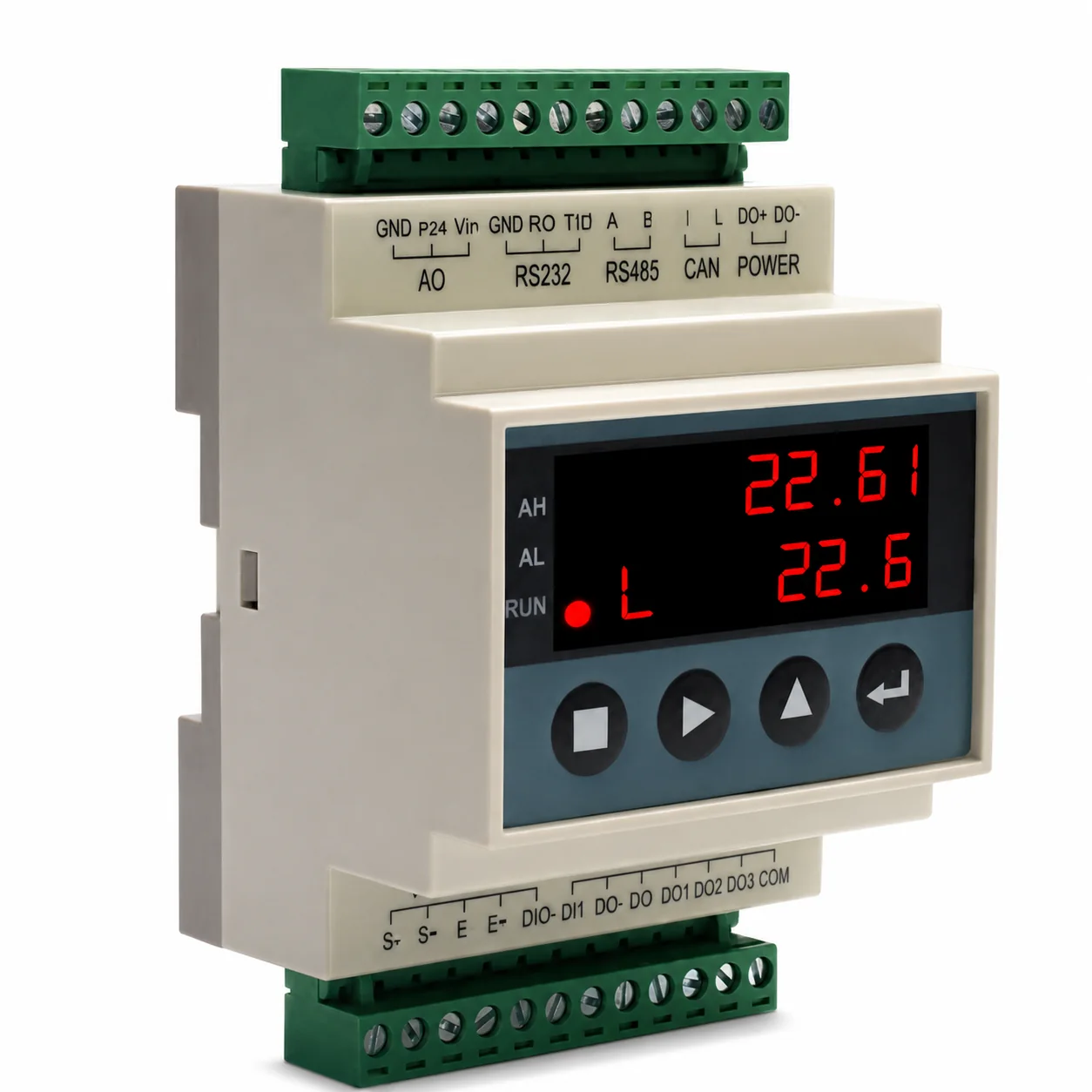 Weighing Indicators
 Forklift Scales