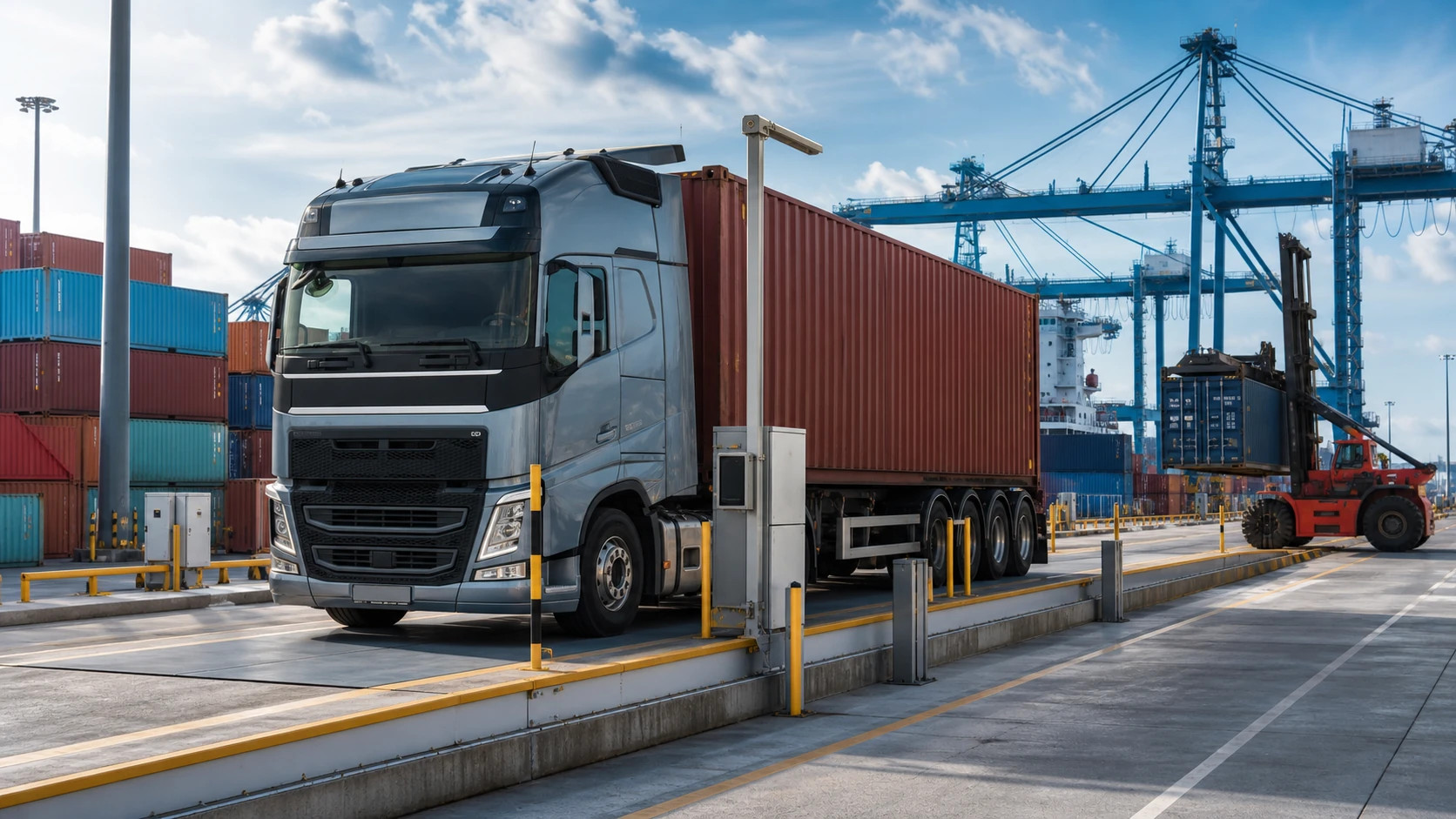
The main types of industrial scales are best separated by where the load is supported and when the result is needed. Common routes include platform and floor scales, truck and axle scales, forklift and loader systems, crane scales, belt weighers, load-cell assemblies and weighing-control electronics. A useful review of the types of industrial weighing scales starts with the workflow, load, environment, required record and verification route rather than a category name.
1. Map the decision point before choosing a category
Write what is weighed, when the result is accepted, who or what acts on it, and which record must remain. A warehouse receiving decision, quarry payload target, conveyor flow total and trade transaction may all involve weight but require different equipment and controls.
The category should follow the decision point. Moving the measurement to a convenient hardware location can add handling, delay action or produce a record that does not match the business event.
| Decision point | Typical route to review | Main dependency |
|---|---|---|
| Stationary item or pallet | Bench, platform or floor scale | Load dimensions, access, surface and loading position |
| Road vehicle or axle | Truck scale, axle scale or controlled WIM route | Approaches, vehicle movement, traffic and jurisdiction |
| Material-handling machine | Forklift, loader or excavator weighing | Exact machine, attachment and operating cycle |
| Suspended load | Crane scale or engineered tension measurement | Lifting route, rigging, headroom and safety ownership |
| Continuous material flow | Belt weigher or process measurement system | Conveyor mechanics, speed, loading and calibration route |
| Embedded machine or vessel | Load cells, modules and control electronics | Structure, load introduction, I/O and system responsibility |
2. Stationary scales depend on access, dimensions and loading position
Bench, platform and floor scales support an item at a fixed point. Compare the load dimensions and centre of gravity, minimum and maximum operating loads, platform size, loading equipment, ramps or pit, surface, cleaning, traffic and indicator location.
A column type weighing system may describe a platform and display arrangement, but the term alone does not establish the structure, capacity, materials, accuracy or approved use. Review the exact platform, column, indicator, cabling and installation drawing.
3. Vehicle and mobile weighing routes change the operating procedure
A fixed truck scale supports the vehicle on an installed platform. Portable axle pads support selected wheels or axles in a controlled sequence. A weigh-in-motion route measures under specified movement conditions. These methods have different approach, level, alignment, speed, traffic and verification needs.
Forklift, loader and excavator systems place the measurement inside a machine cycle. Compatibility depends on the exact machine, attachment, load path, sensing method, operator movement and data requirement. A generic machine capacity is not enough for selection.
4. Continuous and suspended loads need specialised measurement chains
A belt weigher combines load sensing with belt-speed measurement and an integrator to calculate rate and total. Conveyor geometry, idlers, belt condition, loading uniformity and an executable calibration method are part of the system.
A crane scale places a weighing instrument in a suspended load path. Selection must be coordinated with lifting equipment, rigging, headroom, viewing, environment, inspection and a safe verification plan. The weighing device does not replace lifting safety controls.
5. Guidance for selecting weighing system for high-traffic industrial environments
High traffic changes both equipment exposure and record flow. Record cycles per hour, peak queues, impact or crossing loads, operator handoffs, cleaning windows, maintenance access and how an invalid result is diverted or repeated.
Compare throughput only under a defined procedure. A faster reading does not solve poor identification, unstable loading, unsafe access or an integration that cannot acknowledge and de-duplicate completed records.
6. Apply criteria for selecting heavy duty industrial scales to the complete route
Heavy duty should be replaced with measurable requirements: operating and abnormal loads, dimensions, impacts, duty cycles, environment, corrosion, traffic, structure, overload protection, service access and expected life. Ask suppliers to identify which conditions are within the exact model specification and which need project engineering.
Do not assume that a higher nominal capacity provides better durability or useful resolution. The complete load path, structure, sensors, electronics, installation and maintenance plan must match the application.
7. Choose indicators, transmitters and controllers from record ownership
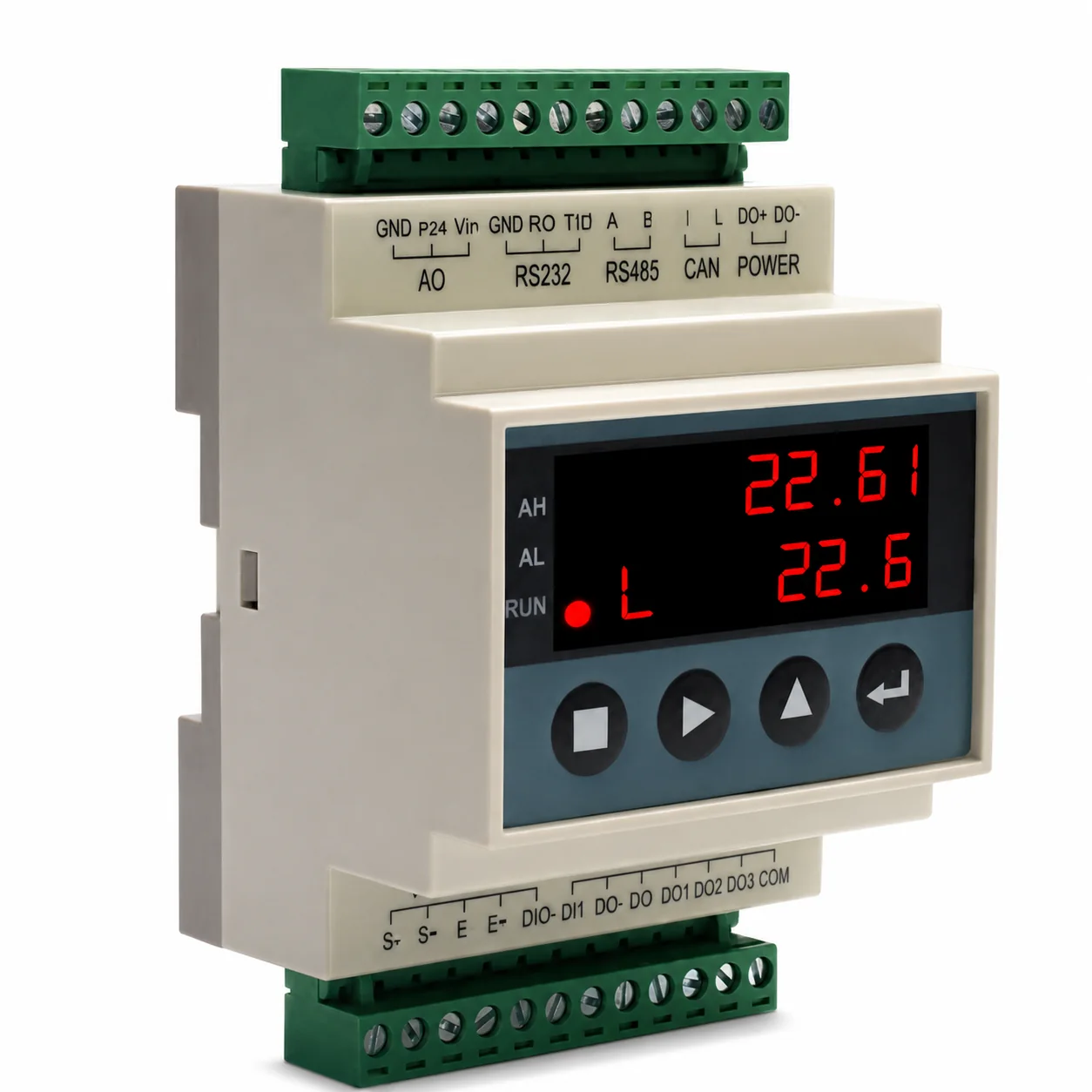
An indicator presents a local result, a transmitter provides a measurement to another system, and a controller may use weight in a defined sequence. Models can combine roles, so specify operator controls, load-cell inputs, I/O, protocols, data fields, fault states and permissions rather than relying on the product name.
Separate a live process value from a completed business record. Define who creates identifiers and timestamps, accepts the measurement, stores the record, acknowledges receipt and corrects an error without losing the audit trail.
8. Use one evidence pack across every scale type
Prepare the item or material, load range, dimensions, workflow, environment, intended use, record and acceptance method. Add machine data, conveyor drawings, vehicle plans, rigging interfaces or civil drawings when the route requires them.
Ask for exact models, options, data sheets, drawings, manuals, interface files, certificate scope where applicable, commissioning responsibilities and a written acceptance test. The same evidence discipline allows different scale types to be compared without treating their measurements as interchangeable.
9. Compare the main types by capacity and accuracy context
The figures below are the ranges buyers and suppliers typically discuss at enquiry stage, not performance claims for any FMSCales model. Accuracy is always established for the complete installed instrument: structure, sensors, electronics, installation, procedure and verification together. Where the result will be used in a regulated transaction, the approved accuracy class and local verification route decide what is acceptable.
Use this table to shortlist a route, then confirm the exact capacity, division, environment and verification method for the quoted configuration.
| Scale type | Typical capacity range | Accuracy context | Typical verification route |
|---|---|---|---|
| Bench and counting scales | 3 kg to 300 kg | Fine divisions for piece count and portioning; OIML class III context in approved models | Test weights across the operating range |
| Platform and floor scales | 300 kg to 10 t | Industrial divisions for pallets and bulk items; OIML class III context in approved models | Test weights or calibrated reference masses at corner and centre positions |
| Truck scales (weighbridges) | 20 t to 120 t per vehicle | Vehicle and axle results for dispatch and record; legal-for-trade only with the approved complete instrument | Reference weights, weight carts or comparison against a verified weighbridge |
| Portable axle scales | 1 t to 20 t per pad | Field bands agreed per application, commonly ±1-2% or ±0.5-1% of axle load on prepared surfaces | One-visit site validation with a known reference vehicle |
| Onboard machine scales (forklift, loader, excavator) | 1 t to 35 t per cycle or bucket | Guidance bands agreed per machine and cycle, commonly ±1-2% or ±0.5-1% of bucket load | One-shift or one-day acceptance test against a verified reference |
| Crane scales | 500 kg to 50 t suspended | Suspended-load readings for lifting and inventory; legal-for-trade only with the approved configuration | Suspended test weights under controlled conditions |
| Belt weighers (conveyor scales) | 50 t/h to 10,000 t/h flow | Totalized bands in OIML R 50 context, commonly ±1-2% down to ±0.5% of totalized load with disciplined calibration | Zero checks, span checks and material tests on the running conveyor |
| Load-cell assemblies and vessel weighing | 100 kg to 500 t per vessel | System accuracy set by the complete load path, mounting and indicator | Calibrated weights or material transfer against a verified reference |
Decision guidance
Choose the route that measures at the point where a person or system can act on the result, supports the real load path and provides the required record with a practical verification method.
This taxonomy is not a product-availability, certification, accuracy or legal-use claim. Product family terms overlap across markets, and exact models, configurations and local requirements must be reviewed separately.
Frequently asked questions
What is the first question when selecting an industrial scale?
Define the decision that follows the result and the point in the workflow where it can be made. Then document the load path, operating range, environment, record and verification method.
What matters when selecting terminal for industrial weighing system?
Confirm display and operator needs, connected load cells, signal type, required I/O, protocol documentation, record ownership, fault states, user permissions and the exact acceptance tests.
Should vehicle weighing use axle pads or a full truck scale?
Choose from vehicle mix, site layout, traffic, required uncertainty, legal-use boundary and operating procedure. Portable pads and fixed weighbridges create different measurement and infrastructure conditions.
Can one industrial scale type cover every process?
No. Stationary loads, moving vehicles, suspended loads, mobile-machine cycles and continuous material flow impose different mechanical, operational and verification requirements.
References
The following official and first-party sources support the bounded examples, standards context and evaluation methods used in this guide. They do not verify an FMSCales configuration.
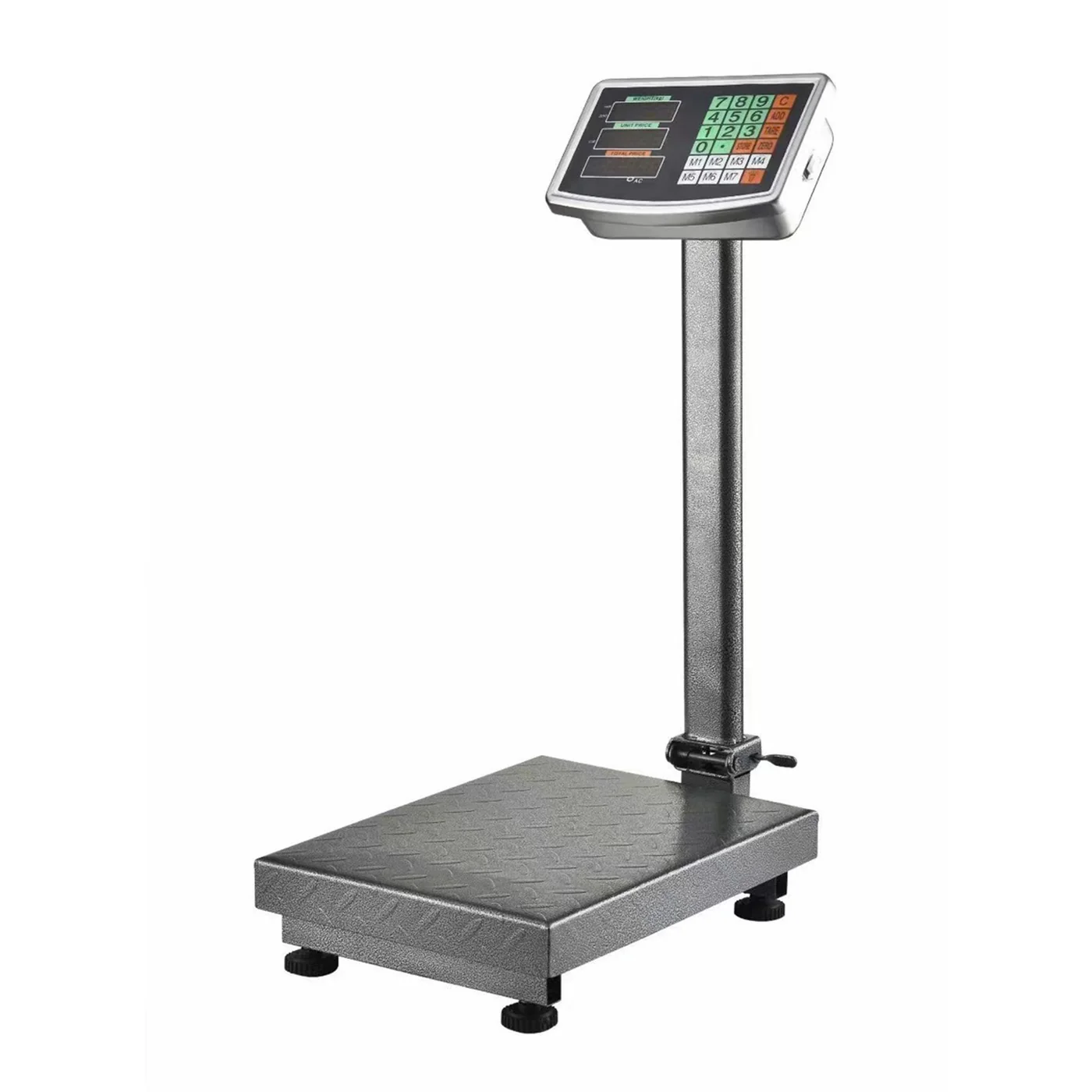 Platform Scales
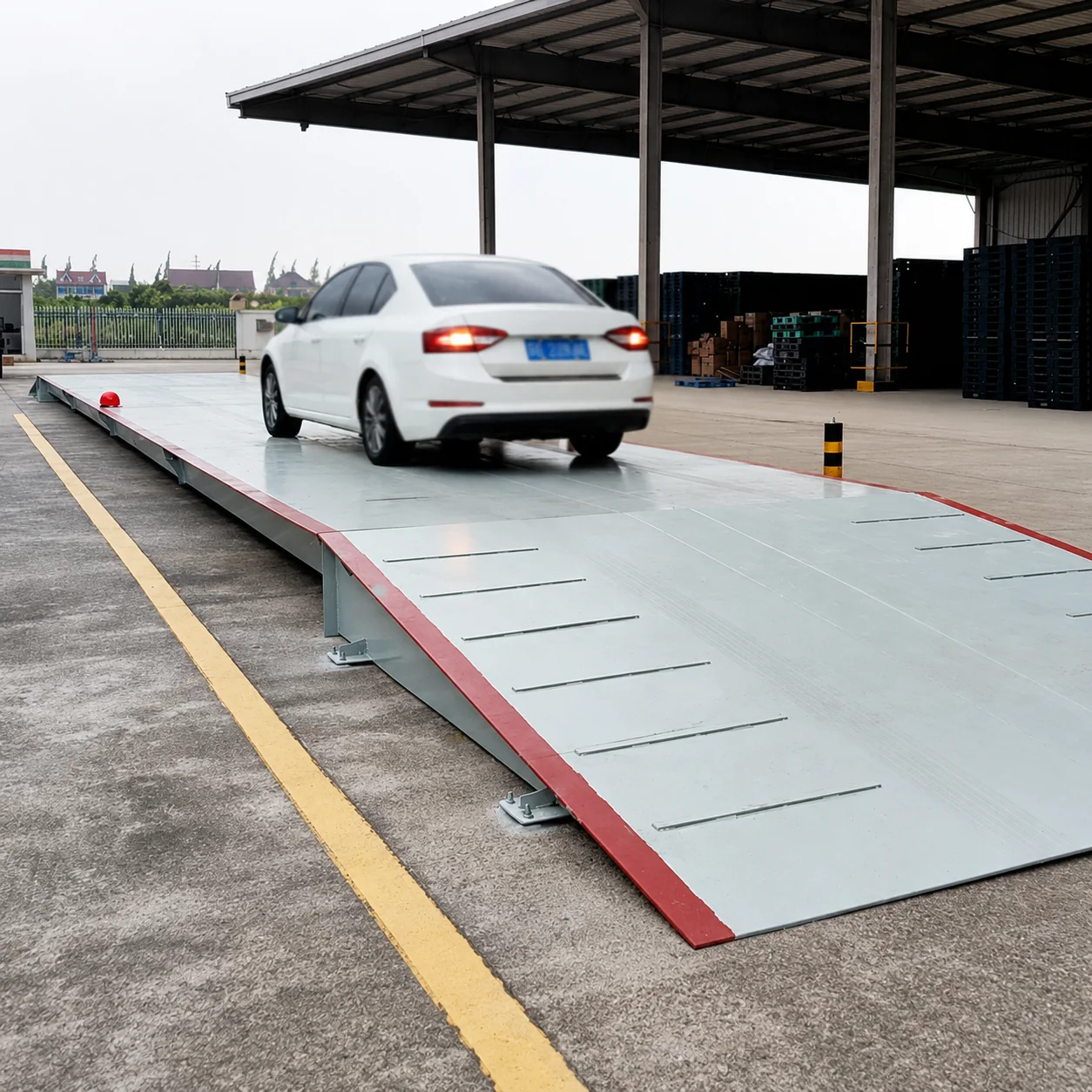 Truck Scales
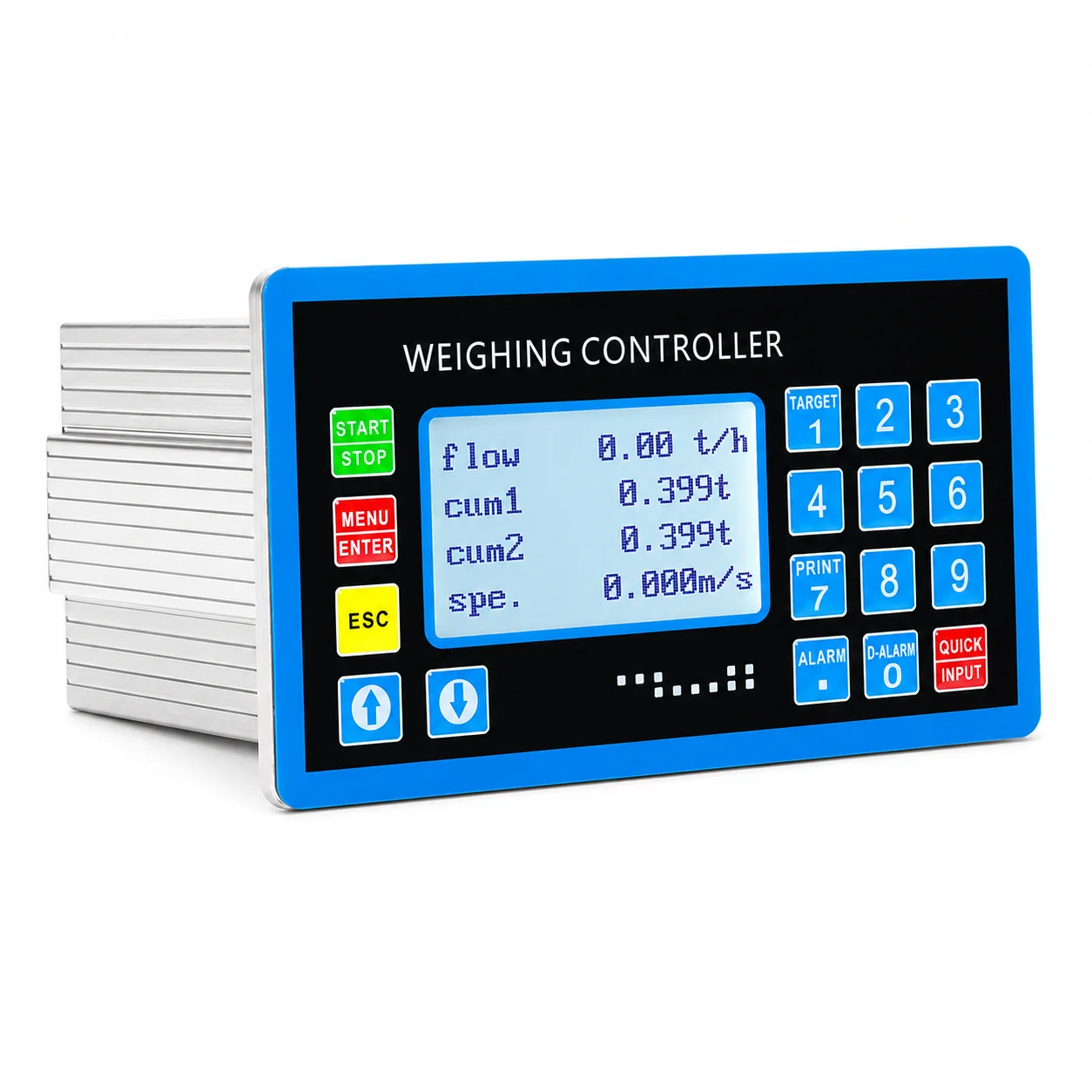 Belt Scales
 Weighing Indicators