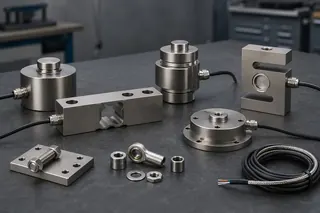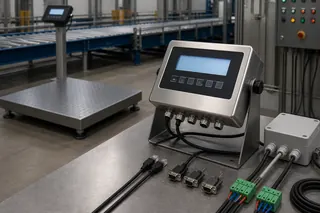
A mechanical weighing machine measures load through springs, levers or dial mechanisms, while an electronic scale measures through load cells and an indicator. For industrial buyers the practical difference is not the dial: electronic routes provide traceable calibration, data output and records, while mechanical routes still earn their place where power, simplicity or abuse tolerance decides. Choose from the decision the weight value must support.
1. Separate the measuring principle from the purchase decision
Mechanical and electronic scales solve the same measurement with different chains. A mechanical route converts load into pointer movement through springs, levers and gears. An electronic route converts load into an electrical signal through load cells, then into a reading through an indicator. Both can be built well; both can be built cheaply.
The purchase decision rarely turns on the principle itself. It turns on what happens after the reading: whether someone must record it, whether another system must consume it, whether an authority must accept it, and what the site can maintain. Answer those four questions and the route usually selects itself.
2. Compare the routes on the criteria that decide the purchase
The matrix below reflects what industrial buyers typically weigh when replacing or specifying equipment. It describes routes, not individual models; any exact instrument must still be verified per configuration.
| Decision criterion | Mechanical route | Electronic route |
|---|---|---|
| Accuracy and traceability | Reading depends on the mechanism and dial resolution; verification with test weights is possible but every check is local and manual | Calibrated electronic chain with documented adjustment history; uncertainty can be stated, reviewed and trended |
| Data output and records | No native output; every record is written down by the operator | Native output to printers, computers, PLC, ERP or WMS with identifiers and timestamps |
| Maintenance profile | Few components; wear in pivots, bearings and springs appears as drift or sticking, found only by checking | Load cells, cables and electronics need protection and periodic verification; faults are diagnosable and loggable |
| Environment tolerance | Tolerates dirt, vibration and sites without power; moisture and corrosion still degrade the mechanism | Needs a protected installation; the right ingress rating and cabling handle washdown and outdoor sites |
| Legal-for-trade use | Approved mechanical models exist but the choice is limited and shrinking | Widest choice of approved configurations across capacities and jurisdictions |
| Total cost of ownership | Low purchase price; manual recording and repeated checks cost operator time every day | Higher purchase price; automatic records and faster verification usually repay it in busy operations |
3. When a mechanical scale is still the right tool
Mechanical routes remain a rational choice in a narrow but real set of conditions. The common thread is that the reading stays at the scale and guides a simple decision.
- Sites without reliable power where a simple weight indication is enough
- Backup or screening weighing where an approximate reading guides a yes-or-no decision
- Severe environments where the ownership cost of electronics is hard to justify for the task
- Low-throughput remote locations with no record or integration requirement
4. When electronic is the only serious option
Once the weight value has to travel, the mechanical route stops being a real option. These conditions apply to most modern industrial workflows.
- The weight value must produce a record: ticket, label, batch report or invoice support
- Data must reach a PLC, ERP, WMS or remote display without operator transcription
- Legal-for-trade approval is required, with current configurations and verification support
- Throughput is frequent enough that reading time and transcription errors compound
- Process control depends on the value: setpoints, batching, alarms or interlocks
5. Plan the switch with a one-week parallel comparison
Replacing a trusted mechanical unit works best when both routes run side by side for a short, defined period. A one-week protocol gives the site evidence instead of opinion, and produces the written acceptance band the new system must meet at handover.
| Step | Action | What it proves |
|---|---|---|
| Days 1-2: Parallel reference readings | Weigh the same known loads on the mechanical unit and the candidate electronic system | Baseline agreement between the old and new routes |
| Days 3-4: Real workflow | Run normal production through both routes and record both values | Reading differences under real loading and operator habits |
| Day 5: Records review | Compare operator-written records with the electronic record output | Transcription workload and error rate before the switch |
| Days 6-7: Acceptance decision | Agree the tolerance and verification method for the new system in writing | A written acceptance band the supplier must meet at handover |
Decision guidance
Choose electronic whenever the weight value must leave the scale as a record, feed another system or satisfy legal-for-trade duties; keep mechanical only where power, simplicity or abuse tolerance is the deciding constraint.
This comparison is general guidance for industrial applications, not a specification for any model. Accuracy, durability and approval status depend on the exact instrument, installation and jurisdiction, and must be verified per configuration.
Frequently asked questions
Are mechanical scales more durable than electronic scales?
The mechanism tolerates abuse and needs no power, but pivots, bearings and springs wear and drift. An industrial electronic system with proper ingress protection and cable routing usually matches the service life while adding records; protection matched to the environment matters more than the measuring principle.
Can a mechanical scale be legal for trade?
Approved mechanical models exist in some jurisdictions, but the range is limited and shrinking. Where legal-for-trade duties apply, an approved electronic configuration is normally the practical route; as with any instrument, confirm the exact requirement with the local authority before purchase.
Is a mechanical scale more accurate because it has no electronics?
No. Accuracy comes from the quality of the measuring chain and its verification, not from the absence of electronics. Electronic systems make accuracy easier to state, check and document, while a worn mechanical mechanism drifts without any warning signal.
Can an existing mechanical platform be converted to electronic weighing?
Often yes: a sound mechanical platform or weighbridge can be fitted with load cells and an indicator. The conversion still needs a verified installation and, where applicable, its own approval; treat the converted unit as a new instrument for acceptance purposes.
References
The following official and first-party sources support the bounded examples, standards context and evaluation methods used in this guide. They do not verify an FMSCales configuration.
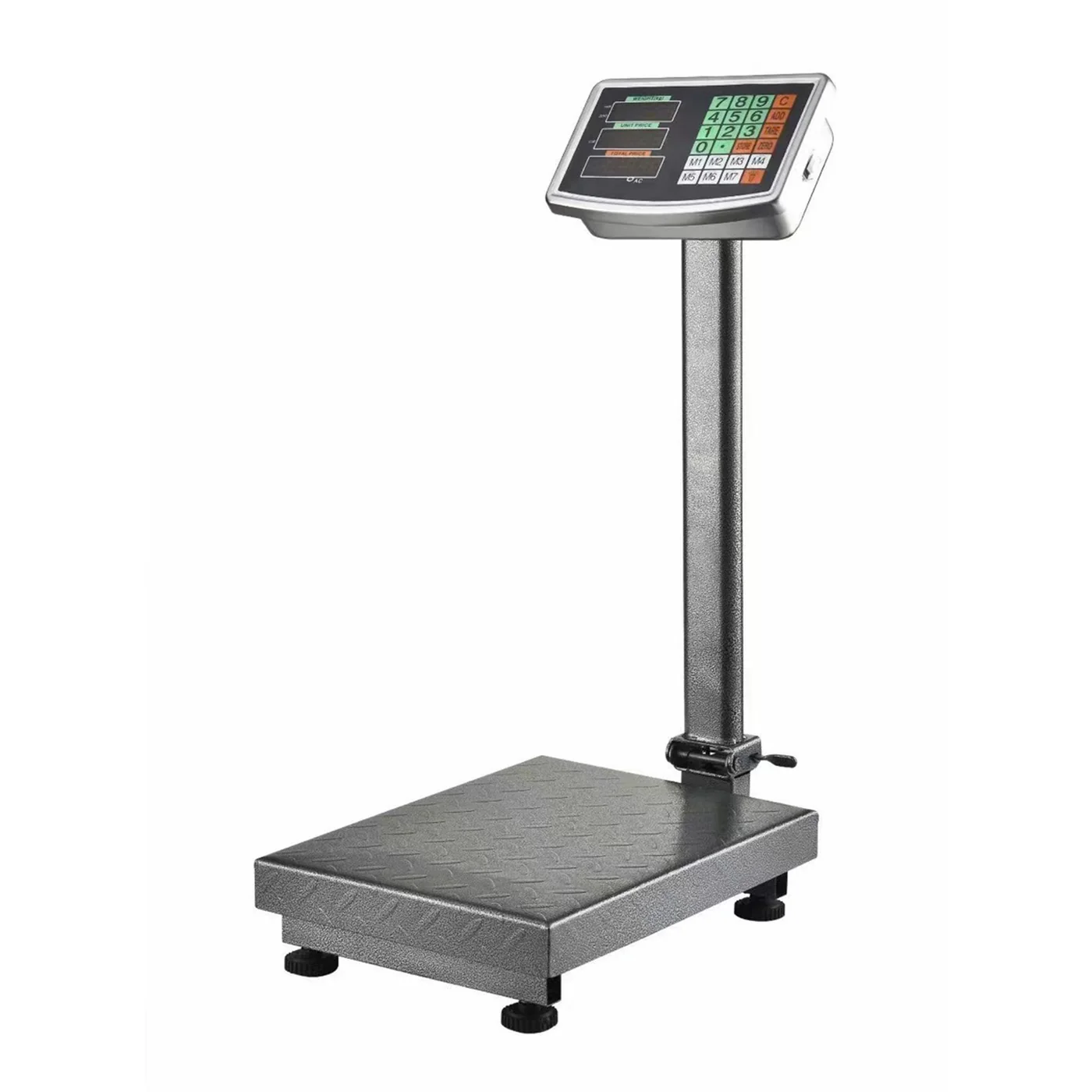 Platform Scales
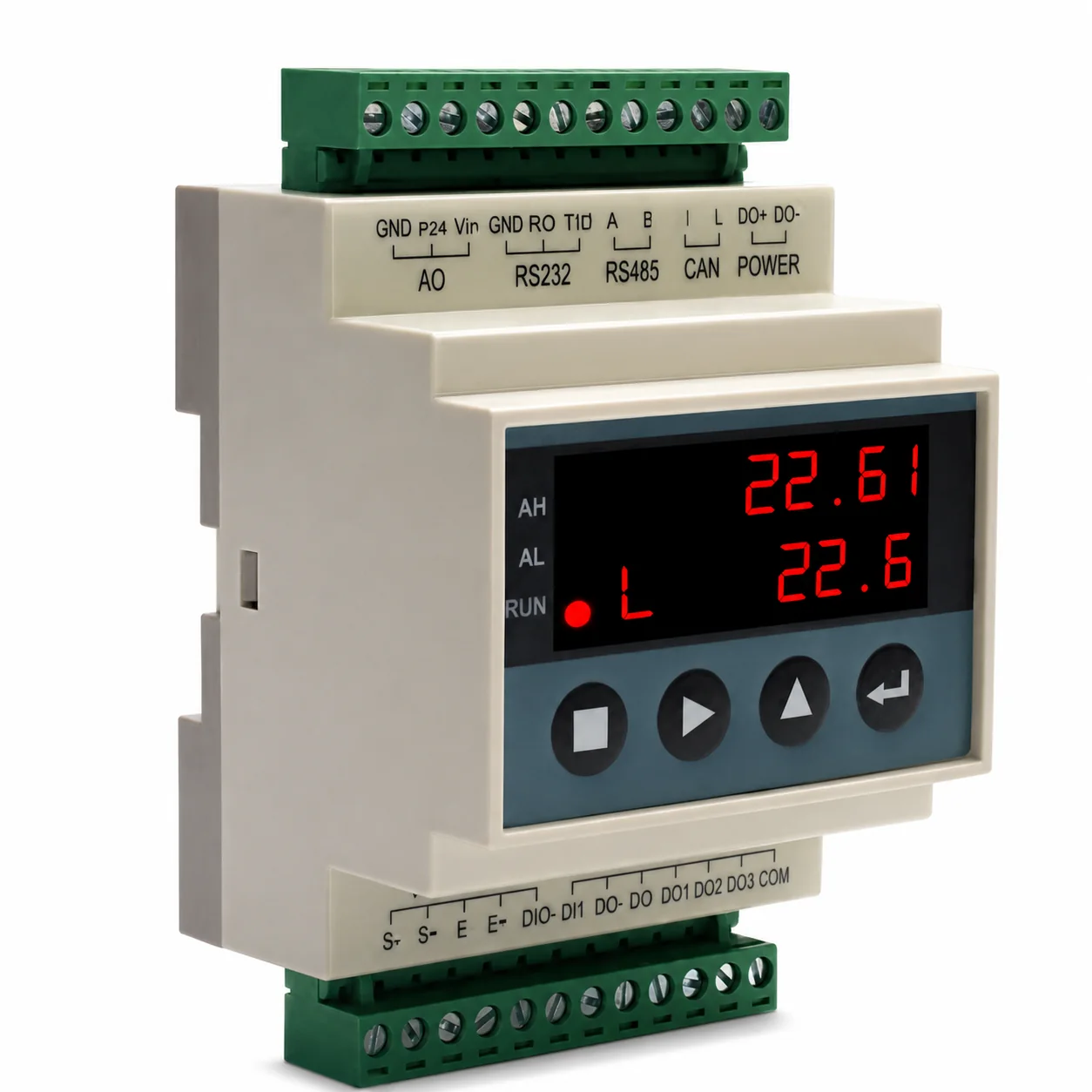 Weighing Indicators