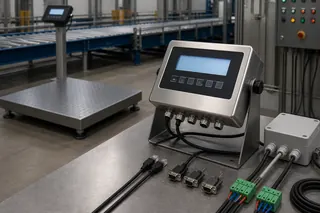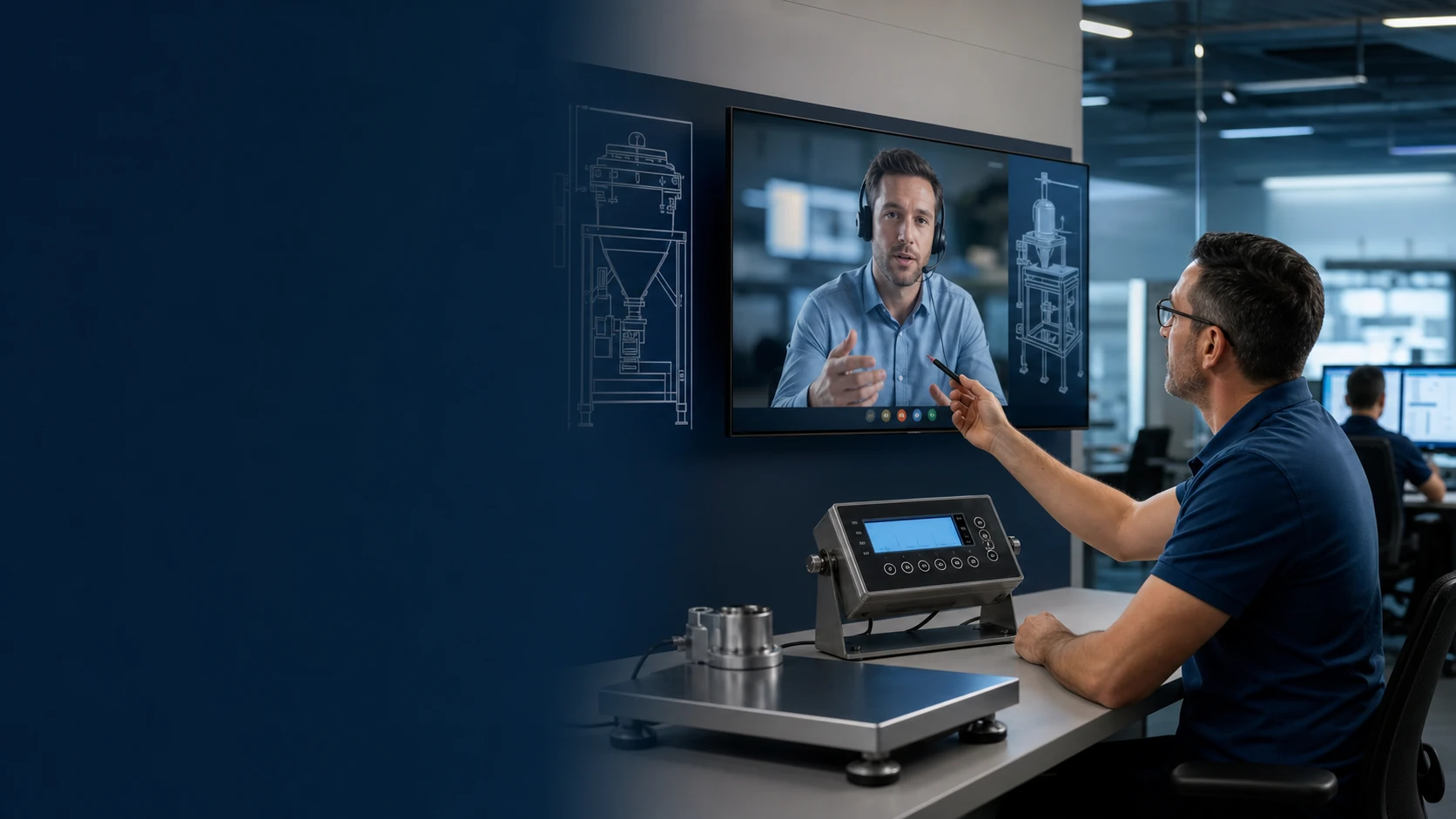
A complete belt scale system vs controller comparison begins with scope. The complete measurement chain normally needs a weigh frame or supported weighing idlers, load sensing, belt-speed measurement, an integrator or controller, cabling, mounting, configuration and a workable calibration method. A controller alone cannot confirm conveyor compatibility, create a mechanical load path or prove installed performance. Exact components and functions must be verified for the quoted model.
1. Define belt scale system components vs controller before quotation
The supply list should distinguish mechanical measurement components from signal processing. A complete route usually includes the load receptor or weigh frame, suitable weighing idlers, load cells or another approved sensing arrangement, belt-speed sensing, an integrator or controller, cabling, junction hardware, mounts and configuration documents.
Options such as a local display, remote I/O, printer, enclosure, communication gateway, calibration equipment or software may be separate. Ask the bidder to mark every item as supplied, existing, buyer supplied or subject to site review.
| Element | Job in the measurement chain | Evidence |
|---|---|---|
| Weigh frame and idlers | Transfer the relevant belt load to the sensing element | Dimensions, idler compatibility, load range and installation drawing |
| Load sensing | Convert the mechanical load into an electrical signal | Model, capacity, mounting and environmental information |
| Speed sensor | Represent actual belt movement | Mounting, contact or coupling method, pulses or signal and slip controls |
| Controller or integrator | Calculate rate and total and manage outputs | Input compatibility, algorithms, settings, I/O and interface manual |
| Calibration route | Provide a repeatable relationship or verification method | Procedure, equipment, reference, responsibilities and acceptance record |
2. Survey the conveyor before selecting electronics
Record belt width, speed range, conveyor angle, idler type and spacing, belt construction, take-up, loading point, curves, trippers, transitions, structure, vibration and available straight length. The proposed weighing zone should support stable alignment and representative loading.
A controller cannot correct a poor mechanical location. If the conveyor cannot provide a suitable weighing zone, the project may require structural changes, another measurement point or a different measurement method.
3. Specify what the controller must calculate, display and communicate
Define instantaneous rate, accumulated total, units, zero behaviour, alarms, batching or control outputs, user permissions, data retention and required records. Confirm whether the controller is the system of record or only supplies values to a PLC, DCS or information system.
For analogue, pulse or digital interfaces, document scaling, update rate, invalid states, fail behaviour and acceptance cases. A protocol name is insufficient without an exact model and firmware interface map.
4. Check load and speed as linked measured inputs
A belt-weigher result depends on the measured belt load and belt movement. The speed signal must represent the belt under the intended operating conditions, and the load signal must be stable over the useful flow range. Define how loss, slip, noise, zero drift and an invalid signal are detected.
Provide minimum, normal and maximum material flow, belt loading profile, material behaviour and expected operating hours. A design maximum alone does not show whether the system can support low-flow decisions or frequent starts and stops.
5. Choose a calibration and verification route the site can execute
Plan mechanical inspection and alignment, zero checks, span-related checks and a suitable reference method. The available choices may include approved test weights, a chain or another simulator, and material tests, subject to the exact design, governing requirements and safe site procedure.
Define who supplies equipment or test material, who performs the work, what conditions must be stable, how results are calculated and retained, and what triggers investigation or adjustment. A calibration accessory in a quotation is not a complete procedure.
6. Choose among a complete package, engineered retrofit or controller replacement
A complete package is appropriate when one supplier is expected to review the conveyor, propose the measurement chain and define commissioning. An engineered retrofit can reuse compatible components, but every retained item needs identification and condition evidence. A controller replacement needs the most disciplined compatibility file because field sensors, wiring, settings and records already exist.
For every route, freeze the bill of materials, firmware, drawings, interface files, configuration backup and acceptance plan before work begins.
Decision guidance
Request a complete system route when the supplier must review conveyor mechanics, load and speed sensing, integration and site testing. Request a controller only when compatible field equipment and interface responsibilities are already defined.
Component names and controller capabilities vary by model. This comparison does not establish accuracy, capacity, legal approval, protocol compatibility or suitability for any conveyor without model and site evidence.
Frequently asked questions
Can a belt scale controller be purchased without a weigh frame?
Yes when the buyer already has compatible field equipment and complete signal, mechanical and calibration information. Compatibility and responsibility must be confirmed before order.
Is an integrator the same as a complete belt scale?
No. An integrator or controller processes load and speed information, totals flow and may provide outputs. It does not replace the weigh frame, speed sensor, conveyor survey, installation or verification method.
Does a controller with Modbus guarantee PLC integration?
No. Confirm the electrical interface, device role, register map, data types, scaling, units, update rate, status values and firmware revision, then test normal and fault cases.
Which calibration method should be included in a quotation?
Choose a method that can be executed safely and repeatedly at the site. The appropriate use of test weights, a chain, another simulator or a material test depends on the exact system, standard and operating conditions.
References
The following official and first-party sources support the bounded examples, standards context and evaluation methods used in this guide. They do not verify an FMSCales configuration.
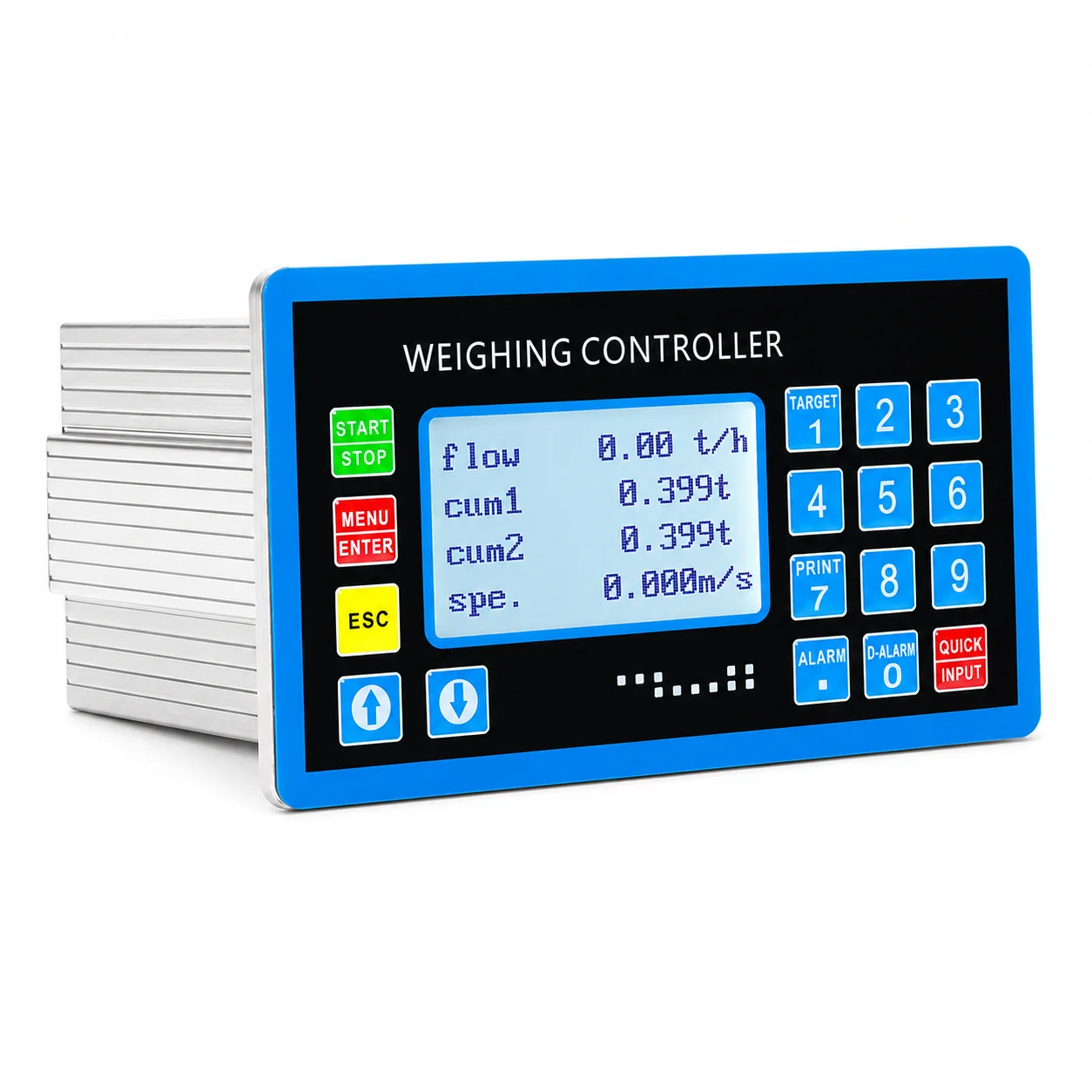 Belt Scales
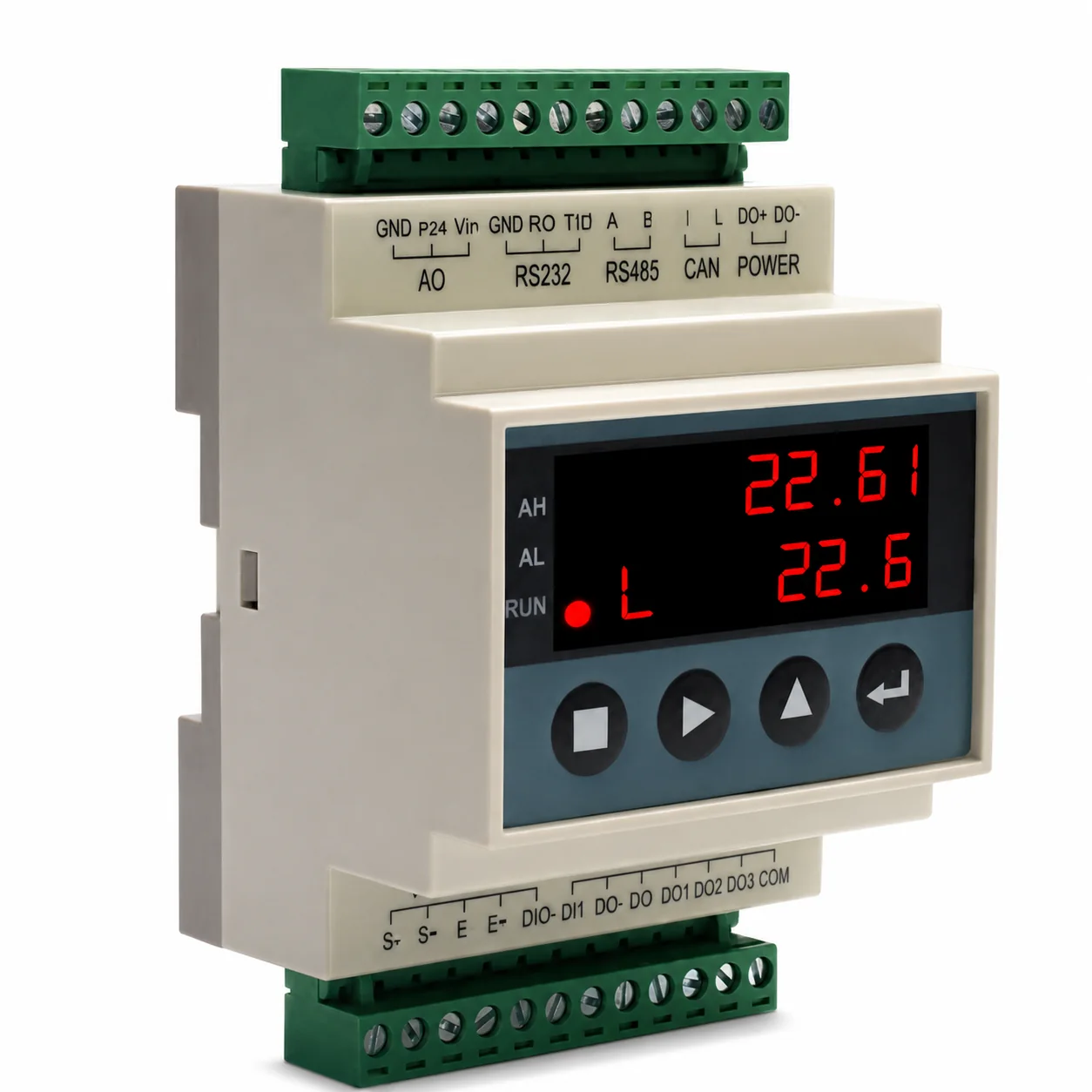 Weighing Indicators
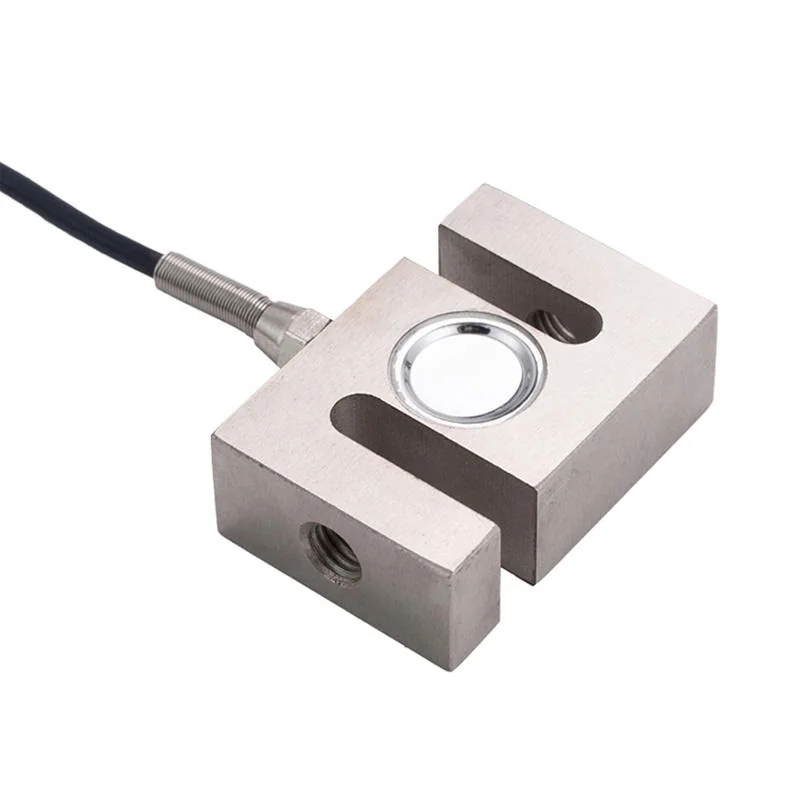 Load Cells